
What Exactly Is Friselle?
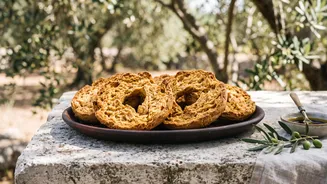
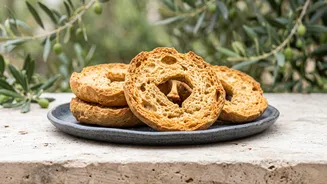
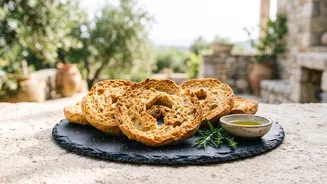
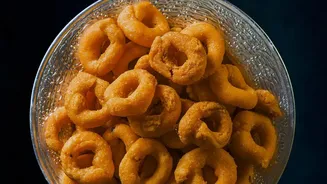
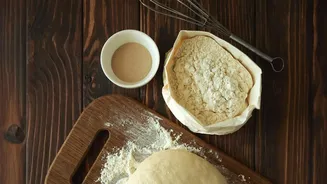
At first glance, a frisella (the singular form) might look like a rustic, oversized, and very dry bagel. Hailing from the sun-drenched regions of Southern Italy like Puglia, Campania, and Calabria, friselle are a type of twice-baked bread. The process
is key to their unique character. A ring of dough, often made from durum wheat or barley flour, is baked once, sliced horizontally, and then baked again at a low temperature until all the moisture has evaporated. This 'biscotto' method—meaning twice-cooked—results in a bread that is incredibly hard and porous, with a rough side perfect for soaking up flavours and a smooth, crusty side.
A Bread Born of Necessity
Friselle weren't invented to be a gourmet snack; they were a food of survival. Their history dates back centuries, with some linking similar breads to ancient Roman sea provisions. For the farmers, fishermen, and sailors of Southern Italy, friselle were the perfect long-lasting food. Because they are completely dry, they can be stored for months without spoiling, making them ideal for long sea voyages or days spent working in remote fields. The hole in the middle even had a practical purpose: it's said that sailors would thread them onto ropes for easy and space-saving storage on their ships. What was once a humble, practical food has since become a cherished symbol of Puglia's culinary identity.
The Art of Sponzatura: The Soaking Ritual
Biting into a dry frisella is not recommended; you need strong teeth and a sense of adventure. The magic happens through a process called 'sponzatura', or soaking. This is the most crucial step in preparing friselle. You must quickly dip the frisella in a bowl of cold water for just a few seconds. The goal is to soften the bread enough to be edible without it turning into a soggy mess. The perfect frisella should be slightly softened on top where the toppings will sit, while retaining some of its signature crunch underneath. Some traditions even recall ancient mariners dipping their friselle in clean seawater, though fresh water is the standard today.
Classic Toppings and Simple Pleasures
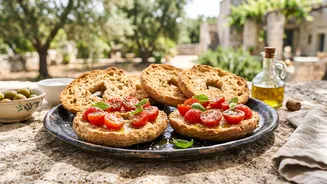
Once soaked, the frisella becomes a perfect canvas for fresh ingredients. The most classic and beloved topping is a simple mix that screams summer in Italy: fresh, ripe tomatoes chopped and seasoned with salt, fragrant oregano, and a generous drizzle of high-quality extra virgin olive oil. Before adding the toppings, many will rub a clove of garlic over the rough surface of the soaked bread for an extra layer of flavour. The porous texture of the frisella soaks up the tomato juices and olive oil, creating a perfect blend of soft, crunchy, fresh, and savoury. This simple combination is more than a snack; for many, it’s a light and satisfying meal in itself.
Beyond the Classic: Modern Variations
While the classic tomato topping is hard to beat, the versatility of friselle invites creativity. In Calabria, they might add spicy 'nduja or sweet Tropea onions. Modern variations are endless. You can top them with creamy burrata and basil for a decadent twist, or with tuna, anchovies, olives, and capers for a taste of the sea. Others treat it like a bruschetta base, piling on grilled vegetables, bean salads, or various cheeses. They can even be crumbled into salads as a rustic crouton. From a simple snack to an elegant appetizer, the frisella adapts beautifully to any number of ingredients, proving its timeless appeal in the modern kitchen.