






Visa and Entry Essentials
The first step is understanding your visa situation. While the UAE is welcoming, not all Indian passport holders can simply get a visa on arrival. The majority will need to apply for a pre-arranged e-visa online. This process is straightforward, requiring
a passport valid for at least six months, photos, and confirmed flight and hotel bookings. However, a special facility exists for some. Indian passport holders with a valid visa or residence permit from the US, UK, EU, Canada, Australia, and several other specified countries may be eligible for a 14-day visa on arrival for a fee. It is crucial to verify your specific eligibility with your airline before travel to avoid any last-minute issues at the boarding gate. Regardless of visa type, a confirmed return ticket and proof of accommodation are standard requirements.
Navigating Local Laws and Customs
The UAE is a modern country with deep cultural roots, and respecting local laws is paramount for a trouble-free visit. While there is no official dress code for tourists, modesty is advised, especially in public areas and religious sites. Covering shoulders and knees is a good rule of thumb. Public displays of affection, such as kissing, are not permitted and can lead to serious consequences. Alcohol consumption is restricted to licensed venues like hotels and clubs; being intoxicated in public is illegal. It is also important to be mindful of photography. Always ask for permission before taking pictures of local people, particularly women, and avoid photographing government or military buildings. Familiarising yourself with these norms shows respect and ensures your interactions remain positive.
Choosing Your Season and Stay
Timing your trip can dramatically affect your experience. The best time to visit the UAE is during the winter months, from November to March. The weather is pleasantly cool, with temperatures ideal for outdoor activities like desert safaris, beach visits, and exploring the city on foot. This is, however, the peak tourist season, which means higher prices for flights and hotels, and larger crowds at popular attractions. The summer months are extremely hot, often exceeding 40°C, which restricts most activities to indoor, air-conditioned spaces. For budget-conscious travellers, the shoulder seasons of April-May and September-October can offer a good balance of manageable weather and more reasonable prices. When booking accommodation, you'll find a vast range from ultra-luxurious resorts to budget-friendly hotels and serviced apartments, often located near the efficient Dubai Metro for easy transport.
Bookings and Itinerary Planning
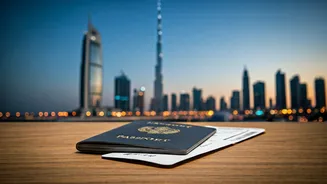
With your visa and travel window sorted, it's time to plan your activities. Many of Dubai's top attractions, such as the Burj Khalifa and the Dubai Mall, are incredibly popular. Booking tickets online in advance is highly recommended to skip long queues and often save money. A classic desert safari is a must-do for many visitors, offering dune bashing, camel rides, and a traditional dinner under the stars. For a taste of history, a ride on a traditional 'abra' boat across the Dubai Creek to the Gold and Spice Souks is an unmissable and affordable experience. Don't forget to factor in transport; Dubai has a clean and efficient Metro system, as well as readily available taxis and ride-sharing services to get around. A well-planned itinerary that balances iconic landmarks with cultural experiences will help you make the most of your time.
Money, Health, and Other Practicalities
The local currency is the UAE Dirham (AED). While credit and debit cards are widely accepted, it's always wise to carry some cash for smaller purchases at local markets or for taxi fares. When it comes to health, no specific vaccinations are required for travel from India, unless arriving from a country with a risk of yellow fever. However, securing comprehensive travel insurance is highly recommended to cover any unforeseen medical situations. Also, be mindful of what you pack. Some prescription medications that are common in India may be considered controlled substances in the UAE, so carry them in their original packaging with a doctor's prescription. Finally, be aware of customs regulations regarding the amount of cash and valuables you can bring into the country without a declaration.