



Yoga: The Mindful Mood Regulator
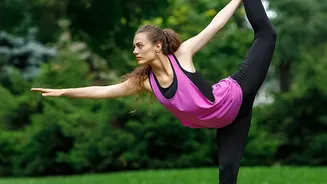
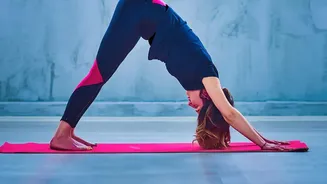
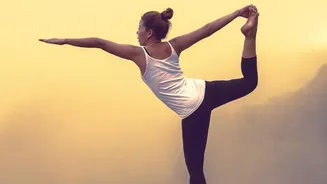
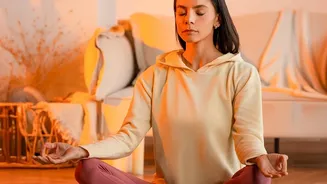
Yoga's primary impact on mood comes from its emphasis on the mind-body connection, primarily through controlled breathing (pranayama) and present-moment awareness. The practice has been shown to increase levels of GABA, an inhibitory neurotransmitter
that calms the nervous system and reduces anxiety. By regulating stress response systems, yoga can help counteract the 'fight or flight' state, leading to a more stable emotional landscape. But the specific style of yoga you choose determines the primary emotional outcome.
For Energy And Focus: Vinyasa And Ashtanga
If you're feeling sluggish or mentally foggy, a dynamic yoga practice is your best bet. Vinyasa and Ashtanga yoga involve flowing from one pose to the next, synchronised with your breath. This continuous movement builds internal heat, increases heart rate, and demands concentration, much like a powerful workout. The focus required to move through the sequences sharpens the mind, while the physical exertion stimulates the release of dopamine, the neurotransmitter associated with reward and motivation. You’ll likely leave these classes feeling energised, accomplished, and mentally clear.
For Calm And Release: Restorative And Hatha
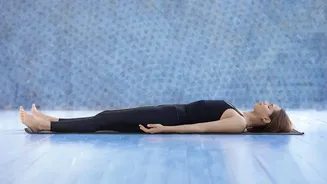
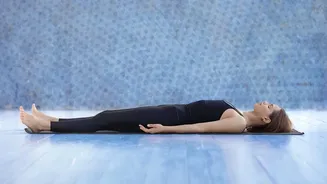
When stress and anxiety are high, the goal is to downshift the nervous system. Restorative, Yin, and gentle Hatha yoga are designed for deep relaxation. These practices use props like bolsters and blankets to support the body in passive poses held for several minutes. This lack of muscular effort allows the body to fully surrender, activating the parasympathetic nervous system—our 'rest and digest' state. Slow, deep breathing techniques calm the mind, reduce levels of the stress hormone cortisol, and can help alleviate symptoms of anxiety and depression. Expect to feel deeply rested, grounded, and emotionally balanced after a session.
Dance: The Expressive Mood Lifter
Where yoga often turns inward, dance is frequently an outward expression of emotion. A key factor that sets dance apart is its combination of physical movement, music, and social connection. The rhythmic nature of dance can trigger the release of a cocktail of feel-good chemicals: endorphins from the physical activity, dopamine from the pleasure of music, and oxytocin when dancing with others. This makes it a potent tool for combating stress and lifting spirits. Dance allows for a powerful, non-verbal release of pent-up emotions, offering a space to feel and express everything from joy to sadness.
For Joy And Social Connection: Zumba And Hip-Hop
High-energy, music-driven classes like Zumba, Bollywood, or hip-hop are essentially a workout disguised as a party. The focus is less on perfect technique and more on having fun and moving your body. The combination of upbeat music, simple-to-follow choreography, and a group environment creates a powerful mood-boosting experience. These sessions are an excellent cardio workout, flooding the body with endorphins that produce a feeling of euphoria and reduce stress. The social camaraderie fosters a sense of belonging, leaving you feeling happy, connected, and full of life.
For Emotional Catharsis: Contemporary And Modern Dance
If you need to process complex feelings, more expressive forms like contemporary, lyrical, or modern dance can be incredibly therapeutic. These styles often focus on interpreting music and telling a story through movement, providing a direct channel for emotional expression. Unlike the structured energy of Zumba, these forms allow for a more personal and introspective journey. Studies have shown that modern dance, with its expressive form, can be effective at alleviating depressive symptoms and enhancing emotional resilience. This type of dance offers a cathartic release, helping you work through feelings that are difficult to put into words.