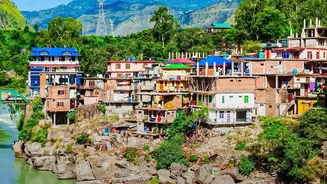






The Irresistible Pull of Rishikesh
Known as the 'Yoga Capital of the World', Rishikesh has long been a magnet for those seeking tranquility and spiritual growth. But in recent years, a new kind of visitor has arrived: the digital nomad. Lured by the promise of a low cost of living, a serene
environment, and a vibrant community, remote workers are trading cityscapes for mountain views. The town offers a rare combination of peaceful nature and essential infrastructure. The air is fresh, the scenery is inspiring, and after a day's work, activities like river rafting, trekking, and attending a Ganga Aarti ceremony are just moments away. This unique blend of productivity and peace is what sets Rishikesh apart from other digital nomad hubs.
Cracking the ₹20,000 Price Tag
The headline figure of under ₹20,000 a month is not a myth, but it requires understanding what you get. This budget typically covers a bed in a shared dormitory within a co-living space or hostel. While private rooms are available, they often push the monthly cost higher, though some can still be found within this budget. The all-inclusive nature of these packages is the main draw. This monthly rent usually bundles your accommodation, utilities, and Wi-Fi. Some places might include community meals or access to a shared kitchen, but extras like laundry, yoga classes, or cafe-bought food will be separate. For many, the trade-off of a shared room is well worth the affordability and built-in community.
The High-Speed Wi-Fi Reality Check
For any digital nomad, the most critical question is about internet stability. While Rishikesh is a mountain town, its connectivity infrastructure has evolved significantly to cater to remote professionals. Co-living spaces and work-friendly cafes understand that their clientele depends on a stable connection for video calls and uploads. Many have invested in high-speed fibre optic lines, with average speeds in the city reaching a respectable level. Some premium locations even boast speeds up to 150 Mbps. However, it's wise to have a backup. Power cuts can occur, so places with generator backup are a huge plus. Many nomads carry a mobile hotspot with a local SIM from providers like Airtel or Jio, both of which offer strong 4G and 5G coverage in the main areas like Tapovan.
A Community Beyond the Desk
The biggest advantage of co-living in Rishikesh isn't just the price; it's the people. These spaces are designed to combat the isolation that can come with remote work. They foster a vibrant community of like-minded individuals from around the world. You’ll find fellow freelancers, entrepreneurs, and creatives who understand the nomadic lifestyle. Many co-living hostels and retreats organize community events, from group hikes and movie nights to skill-sharing workshops and communal dinners. Daily yoga and meditation sessions are often available, helping you integrate wellness into your work routine seamlessly. This social fabric provides not just friendship but also valuable networking opportunities.
Finding Your Nook in the Hills
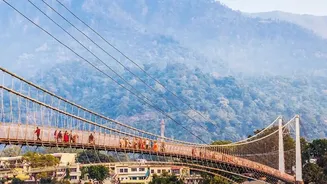
Not all co-living spaces are created equal. When choosing, consider the location and the vibe. Tapovan is a popular and peaceful area, known for its greenery and proximity to cafes and yoga shalas, making it a favorite for many remote workers. The areas around Laxman Jhula and Ram Jhula are busier but put you right in the heart of the action. Before booking a long-term stay, read recent reviews with an eye for comments on Wi-Fi reliability and cleanliness. Some popular options for work-focused stays include hostels that offer weekly or monthly packages with dedicated workspaces. Don't hesitate to contact a place beforehand to ask about their internet speeds and power backup facilities to ensure it meets your professional needs.