



Stock a Monsoon-Ready Pantry
When heavy rains make a quick trip to the market impossible, a well-stocked pantry is your best defence. Focus on items that are less susceptible to the high humidity. Stock up on old grains like barley and wheat, as well as staples like rice and a variety
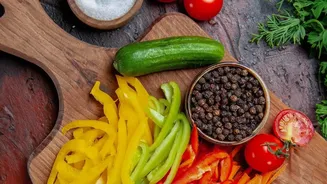
of dals, especially moong dal. These are easy to digest, which is crucial as the digestive system is believed to weaken during this season. Keep hardy vegetables like gourds (bottle gourd, ridge gourd), bitter gourd, and drumsticks on hand. These tend to have a better shelf life and a lower risk of contamination compared to leafy greens. For spices, ensure your rack is full of ginger, turmeric, garlic, cumin, and black pepper. These not only add warmth and flavour to your meals but are also known for their digestive and antimicrobial properties.
Focus on Light, Warm, and Cooked Meals
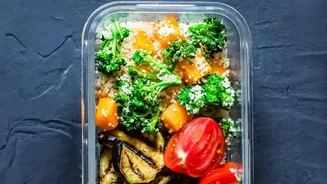
According to Ayurvedic principles for the monsoon or 'Varsha Ritu', the digestive fire (agni) is weaker. Therefore, it's wise to favour meals that are warm, light, and freshly cooked. Heavy, oily, and fried foods, though tempting, can be hard to digest and lead to bloating and indigestion. Street food, especially items like pani puri, should be avoided due to the high risk of water-borne contamination. Instead of raw salads, which can harbour bacteria in the damp weather, opt for steamed vegetables and warm soups. Khichdi is considered an ideal monsoon meal; it’s a balanced one-pot dish of rice and lentils that is both nourishing and easy on the stomach. Simple homemade meals like dal-rice, vegetable stews, and upma are also excellent choices.
Boost Your Immunity Naturally
The monsoon is notorious for bringing a wave of seasonal infections, colds, and flu. Fortifying your diet with immunity-boosting foods can make a significant difference. Incorporate plenty of ginger, garlic, and turmeric into your cooking; these ingredients are celebrated for their anti-inflammatory and infection-fighting abilities. A daily cup of ginger tea or a warm glass of turmeric milk (haldi doodh) before bed can be a comforting and protective ritual. Fruits rich in Vitamin C, like oranges, lemons, and papaya, are also great additions to help strengthen your body's defences. However, ensure all fruits and vegetables are washed thoroughly with clean water before consumption.
Handle Produce with Extra Care
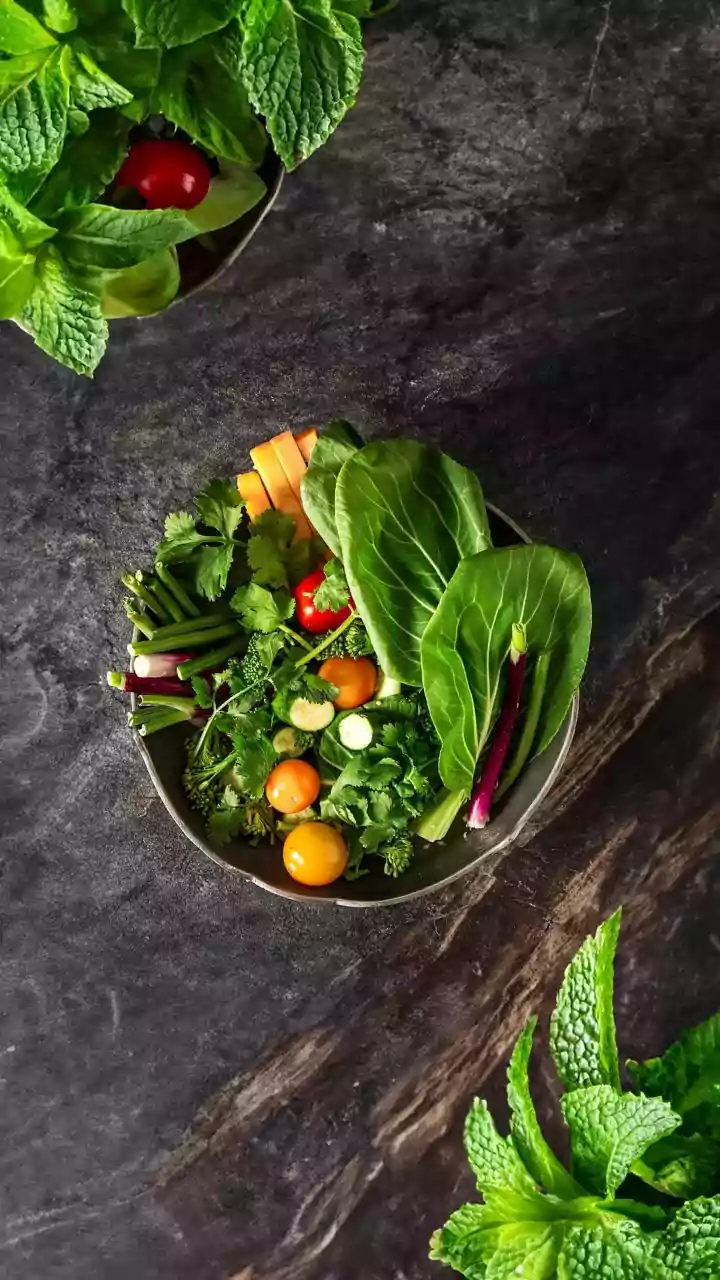
High humidity means produce spoils faster and is more prone to bacterial and fungal growth. Leafy green vegetables like spinach and cabbage require extra caution as they can trap dirt and microbes. If you do consume them, ensure they are cooked thoroughly. It's generally safer to stick to vegetables that grow above the ground. When storing vegetables, avoid washing them until just before you cook, as excess moisture accelerates spoilage. Wrapping them in paper towels and placing them in airtight containers can help absorb excess moisture and keep them fresh for longer in the refrigerator.
Quick and Comforting Meal Ideas
When you're stuck indoors, having a few go-to simple recipes is a lifesaver. Masala corn chaat, made with boiled corn, spices, and a squeeze of lime, is a quick, healthy, and satisfying snack. Moong dal chilla (savoury pancakes) are a light yet protein-packed option for breakfast or an evening snack. A hearty bowl of tomato rasam or a mixed vegetable soup can provide immense comfort on a chilly, rainy evening. If the craving for pakoras is undeniable, consider making them at home where you can control the oil quality, or try a healthier baked or air-fried version. For a truly simple and restorative meal, a one-pot masala khichdi with a dollop of ghee is the ultimate monsoon comfort food.