





Why One Method Fails Them All
Not all rice is created equal. The primary reason a single cooking method doesn't work universally lies in the grain's science. Factors like grain length, starch composition, age, and whether it's polished or parboiled drastically alter how it absorbs
water and responds to heat. The two key starches are amylose and amylopectin. Rice high in amylose, like Basmati, tends to cook up into distinct, fluffy grains. Varieties rich in amylopectin are naturally softer and stickier. An aged, long-grain Basmati has very different needs from a short, starchy Gobindobhog or a hardy, unpolished Matta rice. Using the same water ratio and cooking time for all is a recipe for either a mushy mess or a crunchy, undercooked disappointment.
The Basmati Blueprint
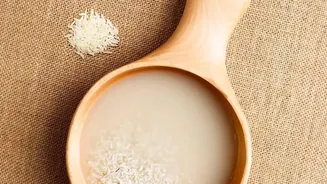
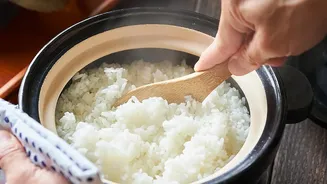
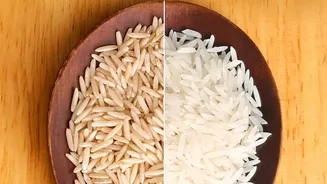
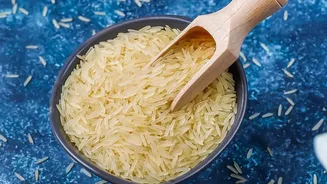
Let's first establish the baseline most of us know. Long-grained and aromatic, Basmati is often aged to reduce its moisture content, which helps the grains cook separately. The classic method involves rinsing the rice until the water runs clear, followed by a soak for about 30 minutes. This pre-soak helps the grains cook evenly without breaking. The typical water-to-rice ratio is around 1.5:1 or 2:1, cooked over a short period until the water is absorbed, followed by a crucial resting period to let the steam finish the job. The result is what we all aim for with Basmati: long, separate, and fluffy grains perfect for a biryani or pulao.
Mastering Kerala Matta Rice
Now, let's travel south to Kerala's iconic Matta rice. This robust, reddish-brown grain has a completely different character. It is a parboiled rice, meaning it's partially boiled in the husk, which helps it retain more nutrients. It has a firm texture and an earthy flavour that stands up beautifully to bold curries. Do not use the Basmati absorption method here. Matta rice is thirsty and needs a lot more water and time. Many cooks treat it like pasta, boiling one cup of rice in anywhere from 6 to 8 cups of water. After soaking for at least 30 minutes, it is often pressure-cooked for several whistles or boiled in an open pot for 30-45 minutes until tender, and then the excess water is drained completely. The result is a wonderfully chewy, substantial grain, not the light fluff of Basmati.
Spotlight on Sona Masuri
A daily staple in many South Indian households, Sona Masoori is a medium-grain rice that is prized for its lightness and soft texture. It cooks faster than Basmati and is perfect for everyday meals with sambar or rasam. Unlike Basmati, extensive soaking is not as critical. Sona Masoori generally requires a slightly higher water-to-rice ratio than Basmati, often closer to 2:1 or even 2.5:1, especially if you prefer softer rice. Because it is less starchy and lighter, it's considered easy to digest. If you use Basmati timing, you may find it undercooked; give it a little more water and time to achieve that perfect softness.
Gentle with Gobindobhog
Head east to Bengal, and you'll find the delightful Gobindobhog. This short-grained, aromatic rice is the heart of dishes like Bhoger Khichuri and Payesh. Its defining feature is its naturally sticky and soft texture when cooked, a quality that makes it perfect for creamy, comforting dishes. Using a Basmati method here would be a mistake, as this grain isn't meant to be separate and fluffy. A water-to-rice ratio of 2:1 is standard. It needs to be washed gently and soaked for about 15-30 minutes. The goal is to embrace its slightly sticky, tender quality that beautifully absorbs the flavours of milk for desserts or lentils for khichdi. Over-rinsing or over-stirring can break the delicate grains.