

Beyond the Numbers Game
In recent years, protein has become a wellness superstar in India. With a significant portion of the population identified as protein-deficient, there's a growing awareness of its importance. This has fueled a booming market for supplements and high-protein
snacks. While average protein consumption has seen a slight increase, the focus is often on hitting a specific gram count. However, nutrition experts argue that this narrow approach misses a crucial point: the quality and variety of the protein we consume matter just as much as the amount. Relying on only one or two sources, like whey or chicken, can lead to a monotonous diet that lacks the broad spectrum of nutrients your body truly needs.
What is Protein Diversity and Why Does it Matter?
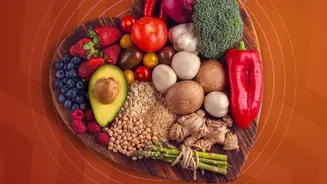
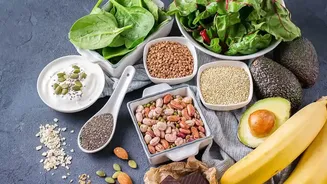
Protein diversity is the practice of consuming protein from a wide range of sources. Think of it like diversifying a financial portfolio; you wouldn't put all your money into one stock. Similarly, relying on a single protein source can leave you nutritionally vulnerable. Different foods offer different profiles of amino acids, which are the building blocks of protein. While animal proteins are 'complete' (containing all nine essential amino acids), most plant proteins are 'incomplete'. However, by combining various plant sources throughout the day, your body can gather all the essential amino acids it requires. This variety also ensures a richer intake of other vital nutrients like vitamins, minerals, and fibre that come packaged with the protein, supporting everything from gut health to a stronger immune system.
Unlocking India’s Traditional Protein Pantry
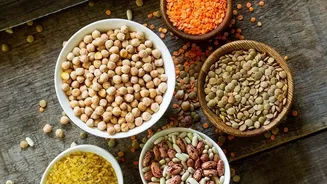
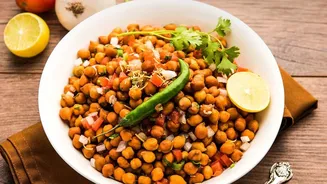
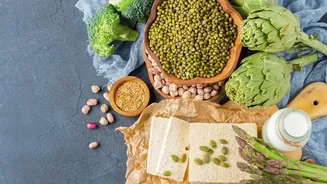
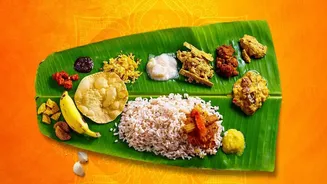
The good news is that traditional Indian diets are naturally designed for protein diversity. Long before protein powders became popular, our food culture perfected the art of combining ingredients to create complete nutritional profiles. The classic combination of dal (lentils) and chawal (rice) or roti is a perfect example, as the amino acids in grains complement those in legumes. Our culinary heritage offers an incredible array of protein-rich options that are both affordable and accessible. This includes a vast variety of dals and legumes like chickpeas (chana), kidney beans (rajma), and green gram (moong). Other powerful sources include paneer, curd (dahi), nuts, and seeds like pumpkin and flaxseeds. Millets such as ragi and bajra, and flours like besan (gram flour) and sattu (roasted gram flour) are also excellent additions.
Making Diversity a Daily Habit
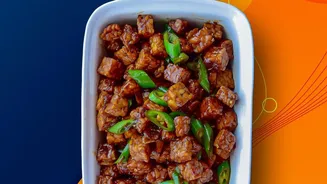
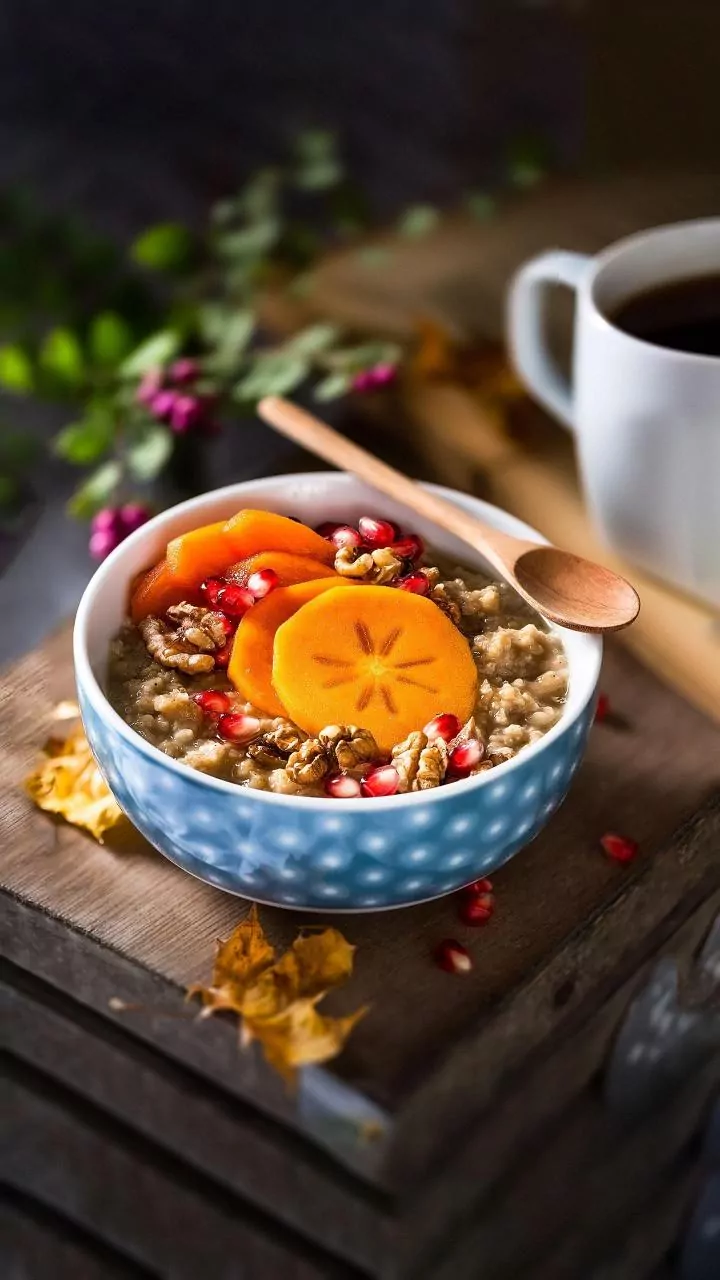
Incorporating protein diversity into your daily meals doesn't require a radical diet overhaul. It's about making small, mindful swaps and additions. Instead of using the same dal every day, rotate between toor, masoor, moong, and urad. Add a handful of mixed seeds to your morning poha or oatmeal. Snack on roasted makhana (fox nuts) or a small portion of nuts instead of processed snacks. Explore different vegetable proteins; dishes like paneer bhurji, tofu curry, and mushroom matar are delicious ways to vary your intake. Using different flours for rotis or chillas, like besan or ragi, can also boost your meal's nutritional profile. The goal is to avoid dietary monotony and embrace the full spectrum of foods available. By doing so, you not only improve your protein quality but also make your meals more interesting and flavorful.