








A Return to Our Roots
As the rain washes over the country, it brings more than just relief from the summer heat; it triggers a shift in our bodies and our environment. Ayurveda, the ancient Indian science of life, has long prescribed a specific diet, or 'Varsha Ritu,' for
the rainy season. This period is known for a weakened digestive fire ('Agni'), making the body more susceptible to infections. For generations, Indian households have naturally adapted by consuming warm, light, and easily digestible foods. Today, this ancestral knowledge is finding a fresh audience. Health-conscious urban dwellers, increasingly wary of processed foods and global 'superfood' fads, are turning inward. They are looking to the local, seasonal produce that their grandparents swore by, finding a powerful connection between modern wellness goals and timeless Indian traditions.
The Gourd Gets a Glow-Up
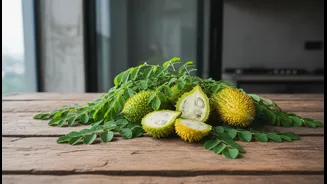
Perhaps no vegetable screams 'monsoon' quite like the humble gourd. Among them, Kantola, also known as spiny gourd, is making a significant comeback. Traditionally found across India during the rains, this spiky green vegetable was often a simple home-style sabzi. Now, it's being hailed as a superfood. Rich in fibre, Vitamin C, and antioxidants, kantola is excellent for digestion and immunity, two areas that need support during the monsoon. Chefs in urban centres are experimenting with it, moving beyond simple stir-fries to feature it in salads, grills, and even as a crunchy, air-fried snack. Similarly, bitter gourd (karela), long feared for its sharp taste, is being appreciated for its potent antiviral and antibacterial properties, which are especially beneficial when the risk of infection is high.
Moringa: The Comeback Kid
Moringa, or the drumstick tree, has always been a part of the Indian culinary landscape, but its leaves were often overlooked. Now, they are at the forefront of the health-food movement. Moringa leaves are packed with more Vitamin C than oranges and more iron than spinach, gram for gram. Its potent anti-inflammatory and antioxidant properties make it a powerful ally for the immune system, which is often under stress during the monsoon. While traditionally used in dals or dry vegetable preparations, urban diners are now blending moringa powder into green smoothies, whisking it into wellness shots, and sprinkling it over soups and salads. This revival showcases a modern approach: taking a familiar, nutrient-dense ingredient and adapting it for a fast-paced, health-focused lifestyle.
The Spice of Life: Immunity in a Pinch
The monsoon diet is incomplete without mentioning the spices that form its foundation. Ginger, turmeric, and black pepper are not just flavour enhancers; they are medicinal powerhouses. Ginger aids digestion and soothes the stomach, while turmeric is a renowned anti-inflammatory and antioxidant. Black pepper helps improve digestion and intestinal health. During the monsoon, these spices are essential for supporting the weakened digestive fire and boosting immunity. Urban foodies are embracing this in traditional forms like 'kadha' (a herbal decoction) and turmeric milk ('haldi doodh'). These age-old remedies are now chic, appearing on cafe menus and in the daily routines of fitness influencers, celebrated for their ability to fight off seasonal colds and infections naturally.
From Local Markets to Instagram Feeds
This embrace of traditional ingredients is more than just a passing trend; it reflects a broader cultural shift. There's a growing pride in regional Indian cuisines and a desire to eat more sustainably and seasonally. Social media and food bloggers are playing a huge role, resurrecting forgotten family recipes and showcasing the versatility of local produce. Chefs and restaurateurs are championing this movement by building menus around hyperlocal ingredients, proving that what's grown in our own backyards can be as exciting as any imported superfood. This growing consciousness is connecting a new generation to their culinary heritage, demonstrating that the path to modern wellness might just lead back to the wisdom of the past.