

Start with the Right Potting Mix
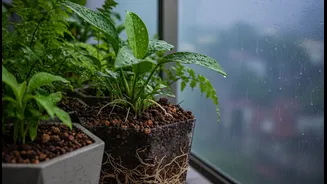
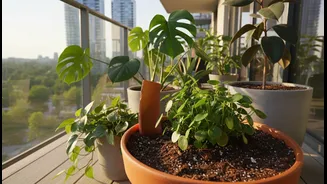
The foundation of good drainage is the soil itself. Heavy garden soil compacts easily in pots, choking roots and holding too much water. Always opt for a high-quality potting mix designed for containers. These mixes are lighter and contain ingredients
like perlite, pumice, or coco coir, which create air pockets. This structure allows excess water to drain away quickly while still retaining enough moisture for the plant. If your current plants are struggling, simply changing the soil can often solve the problem without any other changes.
Debunking the Gravel Myth
For decades, the common advice was to add a layer of gravel, rocks, or broken pot shards to the bottom of a container to improve drainage. However, horticultural science has proven this to be a myth. This layer doesn't help water escape; instead, it creates a 'perched water table'. Water struggles to move from the fine texture of the soil to the coarse texture of the gravel, so it pools in the soil just above the rocks, keeping the roots saturated and promoting rot. It's far more effective to fill the entire pot with a proper potting mix.
Ensure Every Pot Has a Hole
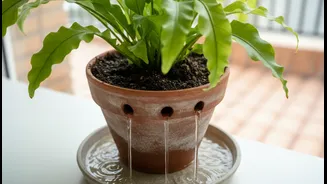
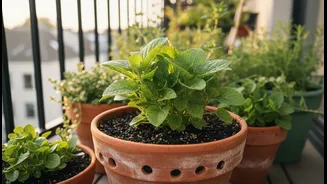
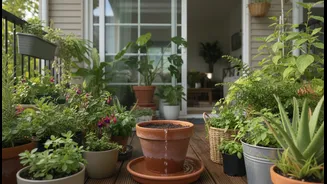
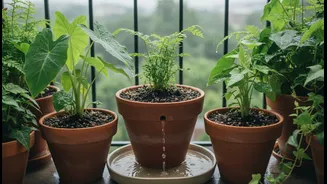
This may seem obvious, but it is the single most critical factor for container health. A pot must have at least one hole at the bottom to allow excess water to escape. If you fall in love with a decorative planter that has no holes, you have two options. The best solution is to use it as a 'cachepot': keep your plant in a simple nursery pot with holes, and place that inside the decorative one. Alternatively, you can carefully drill holes yourself. Without an escape route, water will accumulate and drown the roots.
Elevate Your Containers
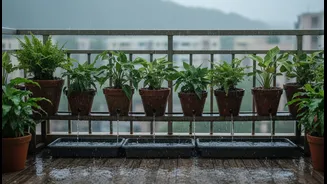
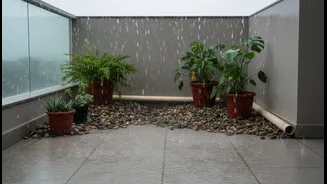
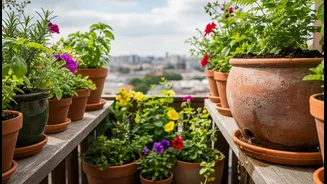
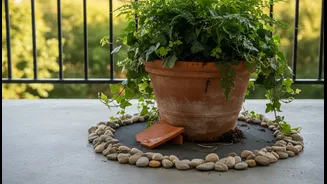
Even with drainage holes, a pot sitting flat on a solid balcony floor can have its exit blocked. This prevents water from draining freely and air from circulating. A simple but highly effective trick is to elevate your pots. You can use purpose-made 'pot feet', but simple solutions like bottle caps, flat stones, or small wooden blocks work just as well to create a small gap. This slight lift ensures water can escape unimpeded and reduces the chance of water staining your balcony surface.
Know the Warning Signs of Poor Drainage
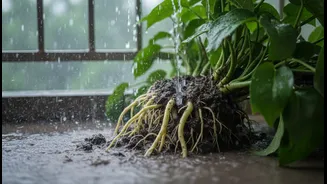
Your plants will tell you when they are struggling with waterlogged soil. Key signs include the yellowing of leaves (especially lower ones), stunted growth, and wilting even when the soil feels wet. You might also notice a musty or foul odour from the soil, which is a sign of root decay. Another indicator is the presence of pests like fungus gnats, which are attracted to constantly moist conditions. If you see these symptoms, it's time to check your drainage system immediately.
Adjust Your Watering Habits
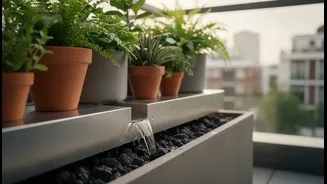
Good drainage allows for more forgiving watering, but technique still matters. When you water, do so thoroughly until you see it running out of the drainage hole. This ensures the entire root ball is hydrated. Afterwards, allow the pot to drain completely. Crucially, avoid leaving the pot sitting in a water-filled saucer, as this defeats the purpose of drainage by allowing the soil to reabsorb the excess water. Always check the soil moisture before watering again; don't just look at the dry surface. The soil an inch or two down should feel dry to the touch.