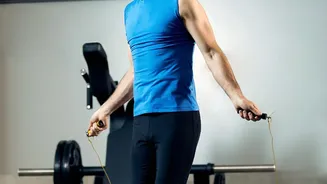

The Rise of 'Exercise Snacks'
The idea that every little bit of movement counts is gaining serious scientific backing. A growing body of research is focused on what experts are calling “exercise snacks”—very short bouts of moderate-to-vigorous activity performed throughout the day.
A recent meta-analysis published in the British Journal of Sports Medicine looked at data from 11 clinical trials and found that these brief sessions, lasting five minutes or less, led to significant improvements in cardiorespiratory fitness for previously inactive adults. Another study tracked non-exercisers who added just three bursts of one-to-two-minute vigorous activities to their daily routine. The results were striking: they saw a nearly 50 percent lower risk of cardiovascular death compared to those who remained sedentary. This emerging evidence challenges the all-or-nothing mindset, suggesting that you don't need a gym membership or a 60-minute time slot to invest in your heart's future.
Why Intensity Matters More Than Duration
The secret to the success of these micro-workouts lies in their intensity. Getting your heart rate up, even for a minute or two, triggers powerful physiological responses. Vigorous activity strengthens the heart muscle, improves circulation, and enhances the body's ability to use oxygen. Some research highlights that short spurts of moderate-to-vigorous physical activity can lower the risk of developing hypertension. It’s not just about burning calories in the moment; these intense bursts can boost your metabolic rate, meaning you continue to burn extra calories even after you’ve stopped moving. Experts explain that when you push your body to work harder, it adapts by becoming more efficient. This increased efficiency translates into a lower resting heart rate, better blood pressure control, and more flexible blood vessels, all of which are cornerstones of a healthy cardiovascular system.
How to Fit Exercise Snacks Into Your Day
Integrating exercise snacks into your life is more about mindset than scheduling. The goal is to transform moments of inactivity into opportunities for movement. The key is to choose activities that get you slightly breathless. Instead of waiting for the elevator, take the stairs and pick up your pace for a couple of flights. While waiting for your coffee to brew or your lunch to heat up, do a set of jumping jacks, bodyweight squats, or jog in place. If you have a desk job, set a reminder to stand up every hour and do a minute of high knees or calf raises. Even active play with children or pets can count. A recent study found that just a few minutes of getting out of breath each day could dramatically cut the risk of major diseases, including heart disease. These small efforts, accumulated throughout the day, add up to significant health benefits.
A Supplement, Not a Replacement
While the benefits of exercise snacks are clear and encouraging, it's important to have realistic expectations. For most people, these short bursts should be seen as a powerful supplement to a more structured routine, not a complete replacement. Health organizations generally recommend that adults aim for at least 150 minutes of moderate-intensity aerobic exercise or 75 minutes of vigorous-intensity exercise per week. Longer, sustained workouts are still valuable for building endurance and overall fitness. However, on days when a full workout isn't possible, exercise snacks are a fantastic way to stay active and keep your health on track. For those who are currently sedentary, they offer a low-barrier entry point to becoming more active. Starting with a few short bursts is much less intimidating than committing to an hour at the gym, and it can build the confidence and fitness needed to tackle longer activities over time.