




Why Your Grind Is the Key to Flavor
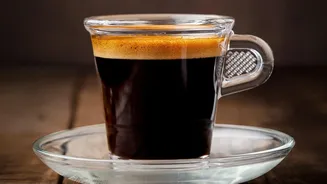
Espresso is an intense brewing method where hot water is forced through a tightly packed 'puck' of coffee at high pressure. The size of the coffee grounds provides the resistance needed to control this process. If the grind is too coarse, water rushes
through too quickly, leading to a weak, sour, and watery shot—a phenomenon known as under-extraction. If the grind is too fine, the water struggles to get through, resulting in a slow, bitter, and burnt-tasting shot from over-extraction. The goal is to find the sweet spot that allows for a balanced extraction in about 25 to 30 seconds.
The Right Tool: Burr Grinders vs. Blade Grinders
To achieve the consistency needed for espresso, a burr grinder is non-negotiable. Blade grinders use a spinning blade to chop beans, creating a chaotic mix of fine dust and large chunks. This unevenness makes balanced extraction impossible. A burr grinder, on the other hand, uses two abrasive surfaces to crush beans to a uniform size. This consistency is essential for creating an even coffee bed that water can flow through uniformly, which is the foundation of a great espresso shot. While blade grinders are cheaper, they are simply not suitable for making espresso.
Finding Your Starting Point
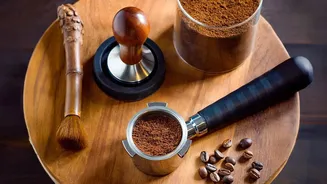
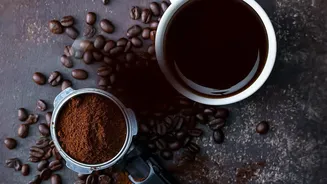
Before you begin, you need a baseline. For espresso, the target grind texture is very fine, often compared to table salt or powdered sugar. When you pinch it, the grounds should feel gritty but still clump together slightly. A good starting recipe for a double shot is to use 18 grams of ground coffee to produce about 36 grams of liquid espresso. This 1:2 ratio is a widely used standard in the coffee world and an excellent place to begin your experiments. Remember to weigh both your dry coffee (dose) and your liquid espresso (yield) for consistent results.
The Art of 'Dialing In'
‘Dialing in’ is the process of making small, incremental adjustments to your grinder to achieve the perfect extraction. The rule is to change only one variable at a time—and that variable should be your grind size. Keep your dose and tamping pressure consistent for every shot. Pull a shot using your starting grind setting and time it from the moment you start the pump. If the shot runs much faster than 25 seconds, your grind is too coarse. If it chokes the machine or takes well over 30-35 seconds, it's too fine.
Reading the Signs: Is It Sour or Bitter?
Ultimately, your taste buds are the final judge. If your espresso tastes unpleasantly sour, sharp, or tangy, it’s a classic sign of under-extraction. This means the grind is too coarse, and you need to adjust your grinder to a finer setting. Conversely, if the shot is overwhelmingly bitter, harsh, and leaves a dry feeling in your mouth, it's over-extracted. This indicates the grind is too fine, and you should adjust it to be coarser for the next attempt. A balanced shot will have a pleasant sweetness that balances its acidity, without any harsh bitterness.
Patience and Consistency Are Everything
Every new bag of coffee will require you to dial in your grinder again, as factors like roast level and bean density affect extraction. Don't get discouraged if your first few shots aren't perfect. Keep a small notebook to track your settings, timings, and taste notes. When you make an adjustment to your grinder, it's a good idea to run a small amount of beans through to purge any old grounds before pulling your next test shot. This methodical approach is how baristas achieve consistency, and it's the key to mastering espresso at home.