



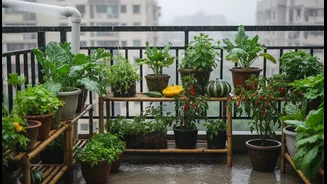


Which Plants Will Actually Thrive?
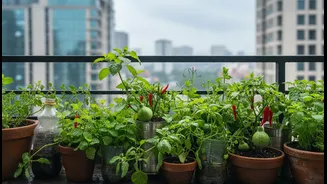
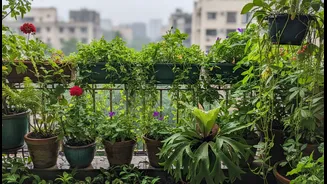
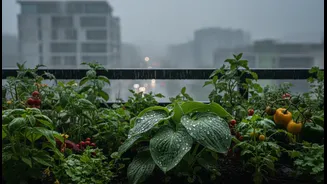
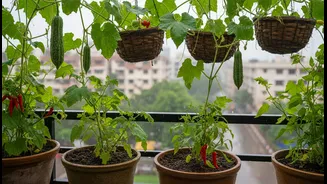
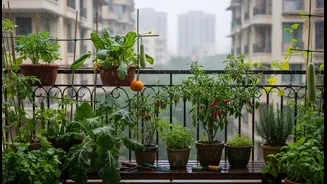
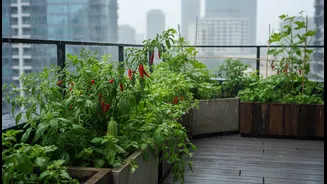
Not all plants love the constant humidity and lower light of the monsoon. The first question is about selection. The good news is that many Indian kitchen staples flourish in these conditions. Gourds like bottle gourd (lauki), ridge gourd (turai), and bitter
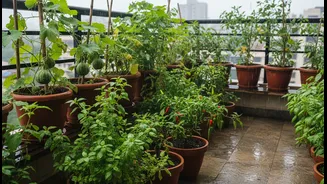
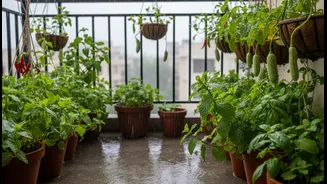
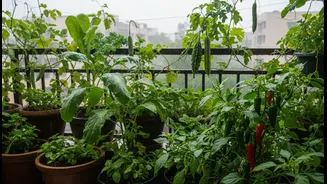
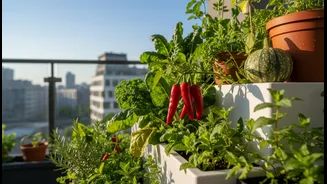
gourd (karela) are monsoon champions, but these vigorous climbers need strong trellis support. Leafy greens such as spinach (palak) and amaranth (chaulai) grow rapidly and can be harvested multiple times. For those with less space, compact plants like green chillies and various herbs are excellent choices. Chillies adapt well to pots, and herbs like coriander and mint love the cooler, moist air. Starting with these monsoon-friendly options significantly increases your chances of success.
Is My Balcony Ready for the Rain?
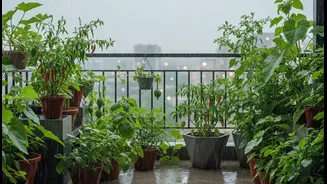
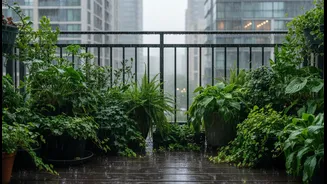
The single biggest challenge in monsoon gardening is not a lack of water, but an excess of it. Before placing a single pot, inspect your drainage. Ensure every container has unclogged drainage holes. Using grow bags, which drain from all surfaces, can be a major advantage. To prevent waterlogging, elevate your pots on bricks or stands. This simple step stops them from sitting in pooled water after a heavy downpour, which can quickly lead to root rot. Also, consider the impact of strong winds and continuous rain on delicate plants. If possible, move sensitive pots to a more sheltered spot during intense storms.
What's the Right Soil Mix?
Garden soil from the ground is too dense for containers and will become a compacted, soggy mess during the monsoon. The crucial question here is about the growing medium. You need a lightweight, well-draining potting mix. A reliable formula combines equal parts of cocopeat (for moisture retention without waterlogging), compost (for nutrients), and perlite or coarse sand (for aeration and drainage). This type of mix ensures that even with daily rain, your plant's roots can still breathe, which is essential for preventing root rot and other fungal diseases.
How Do I Manage Watering?
It seems counterintuitive, but you still need a watering strategy during the monsoon. Don't assume the rain is doing all the work, especially for plants under a roof or overhang. The rule is to always check the soil first. Poke your finger about an inch deep; if it feels dry, then it's time to water. On days with heavy and consistent rain, you can skip watering entirely. The goal is to maintain consistent moisture without letting the soil become a swamp. Overwatering is the most common mistake and can suffocate the roots.
How Can I Prevent Pests and Diseases?
High humidity and damp conditions are a paradise for pests and fungal diseases. Aphids, whiteflies, and mealybugs thrive in the monsoon, while fungal issues like powdery mildew and leaf spot are common. Prevention is far more effective than cure. Ensure good air circulation by not overcrowding your plants. Prune any yellowing or diseased leaves immediately to stop the spread. A preventive spray of diluted neem oil every 10-14 days can act as a natural repellent against both pests and fungi. Regular inspection is your best defence.