






1. Embrace 'Movement Snacking'
Forget finding a full 30-minute slot for exercise. Experts now recommend 'movement snacking'—short, one-to-ten-minute bursts of activity throughout the day. Think of it like a healthy snack between meals. Set a reminder to get up every hour. Use that
time for a quick walk, a few jumping jacks, or some bodyweight squats. These brief interludes break up long periods of sitting, boost blood flow, increase energy, and improve focus without disrupting your workflow. Research suggests even a five-minute walk can improve circulation and reduce stiffness.
2. Perform Purposeful Desk Stretches
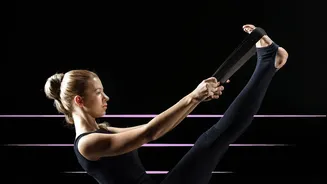
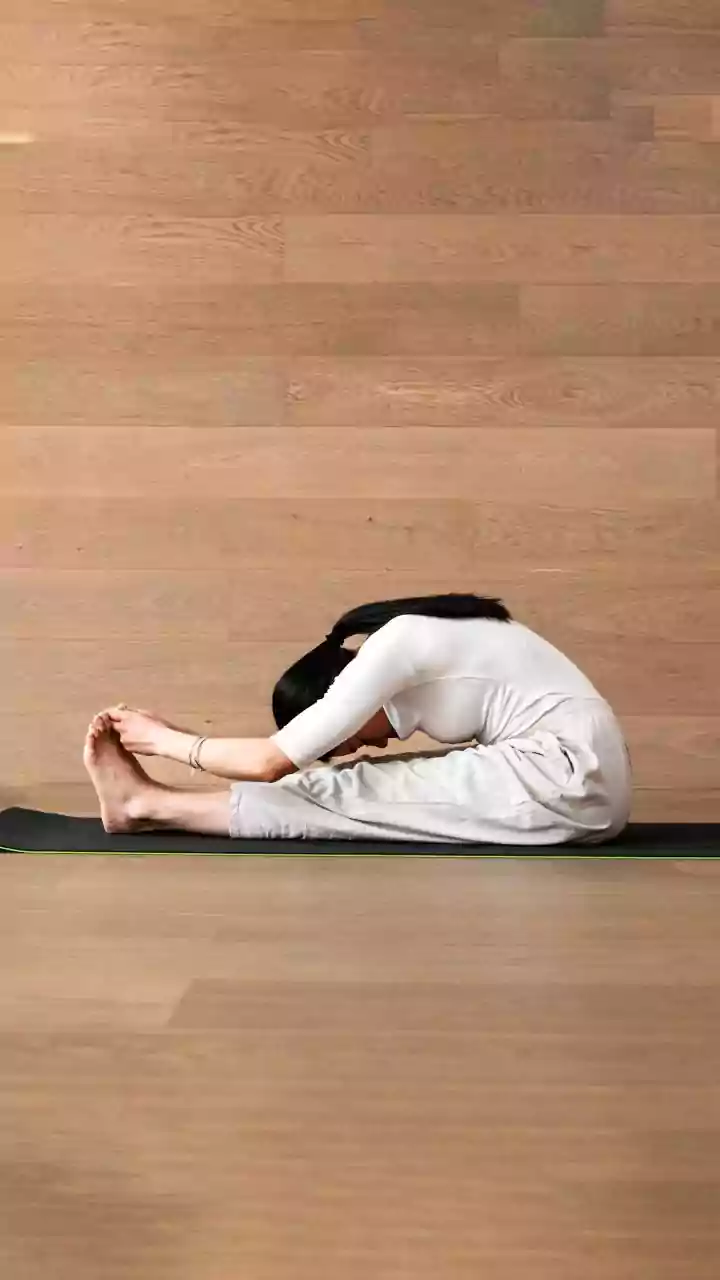
Sitting for hours often leads to a stiff neck, tight hips, and a sore back. Combat this by incorporating targeted stretches right at your chair. Physical therapists suggest simple moves like neck rolls, shoulder shrugs, and spinal twists to relieve tension. For your lower body, try a figure-four stretch by placing one ankle over the opposite knee and gently leaning forward. To counteract the effects of typing, perform wrist stretches by gently bending your hand back and forth. Hold each stretch for about 20-30 seconds. Performing these movements regularly helps improve flexibility and prevent the chronic pain associated with poor posture.
3. Make Your Workstation Active
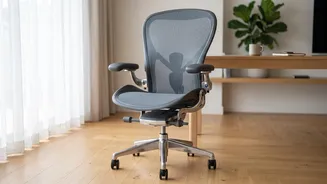
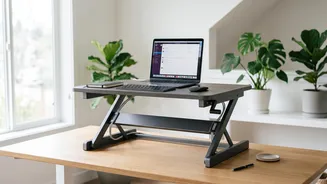
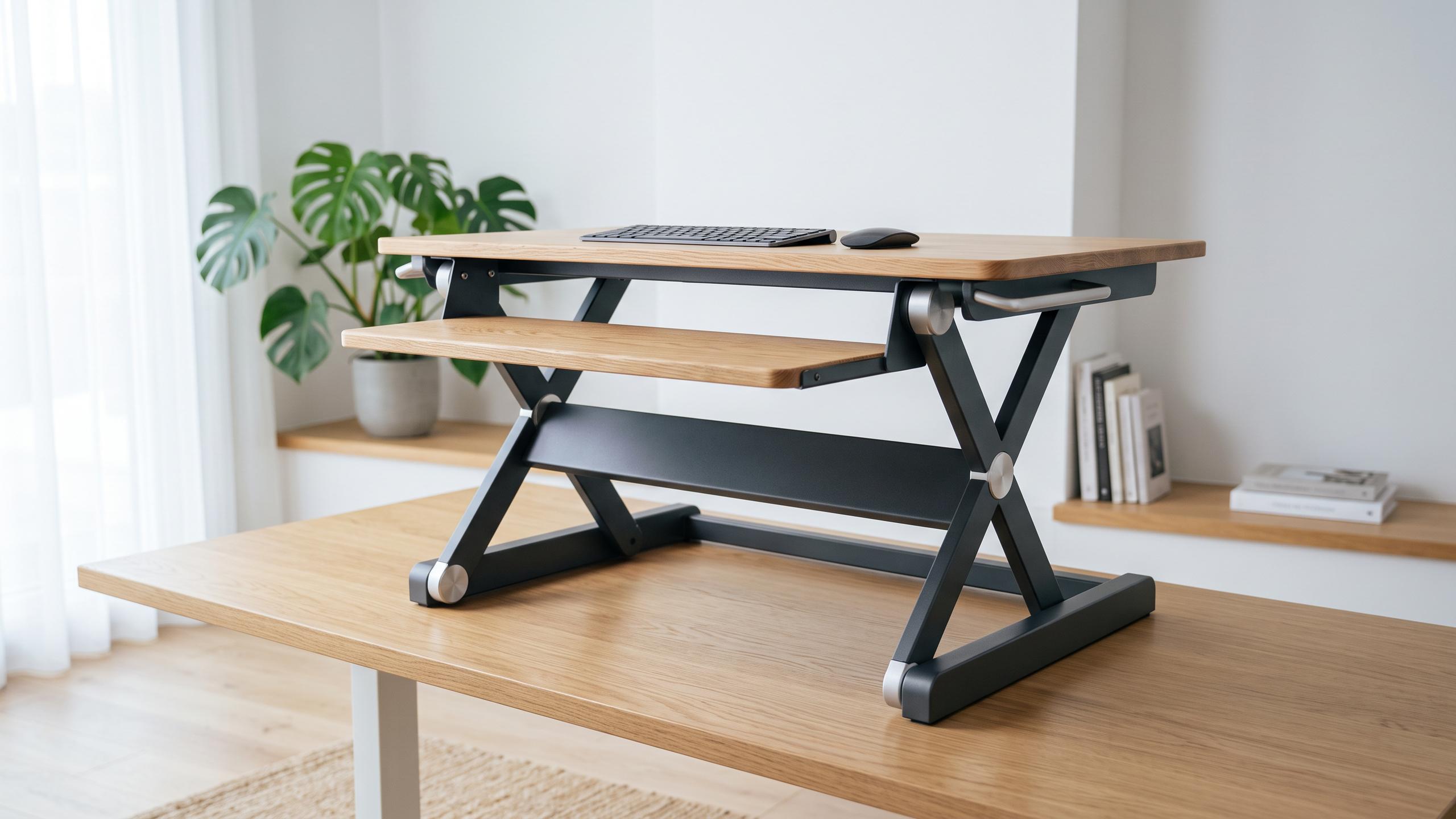
Your desk setup itself can either encourage or discourage movement. The most popular solution is an adjustable standing desk, which allows you to easily alternate between sitting and standing. Experts recommend standing for a total of two to four hours spread throughout the day to improve circulation and burn more calories. If a standing desk isn't an option, you can still make your space more active. Keep small hand weights or resistance bands at your desk for quick sets of arm raises or bicep curls. Some people also opt for an exercise ball chair to engage core muscles while sitting.
4. Re_engineer Your Daily Routine
Look for opportunities to integrate movement into tasks you already do. Instead of emailing or messaging a colleague, walk over to their desk. If you have a one_on_one meeting, suggest a 'walking meeting' either around the office or outside. This not only gets you moving but can also lead to more creative and collaborative conversations. Other simple swaps include always taking the stairs instead of the elevator and using a portion of your lunch break for a brisk walk. Even parking your car a little farther from the entrance can add valuable steps to your day.
5. Strategize Your Hydration
This tip serves two wellness purposes at once. Keeping a large water bottle on your desk and sipping from it throughout the day is crucial for staying hydrated, which improves energy and focus. But it also creates a natural, unavoidable reason to get up and move. Each trip to the water cooler to refill your bottle or to the restroom is another opportunity to stretch your legs and break the cycle of sitting. It's a simple, effective hack that forces you to take regular, short breaks away from your screen, contributing to both your hydration goals and your daily step count.