
Start with Statement Furniture
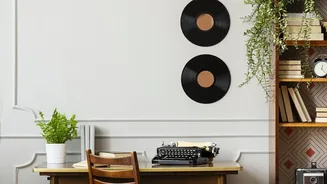
The heart of a rustic theme often lies in its most substantial pieces. A solid wood dining table, a sturdy coffee table with visible grain, or a reclaimed wood bed frame can serve as the anchor for your entire room. These pieces are not just functional;
their natural imperfections, knots, and textures tell a story. Look for furniture that showcases the wood's character, such as live-edge tables or distressed finishes. This approach brings authenticity and a sense of history into your space, providing a solid foundation that can last for decades. Unlike mass-produced items, solid wood furniture often develops a beautiful patina over time, adding to its charm.
Embrace Reclaimed and Distressed Wood
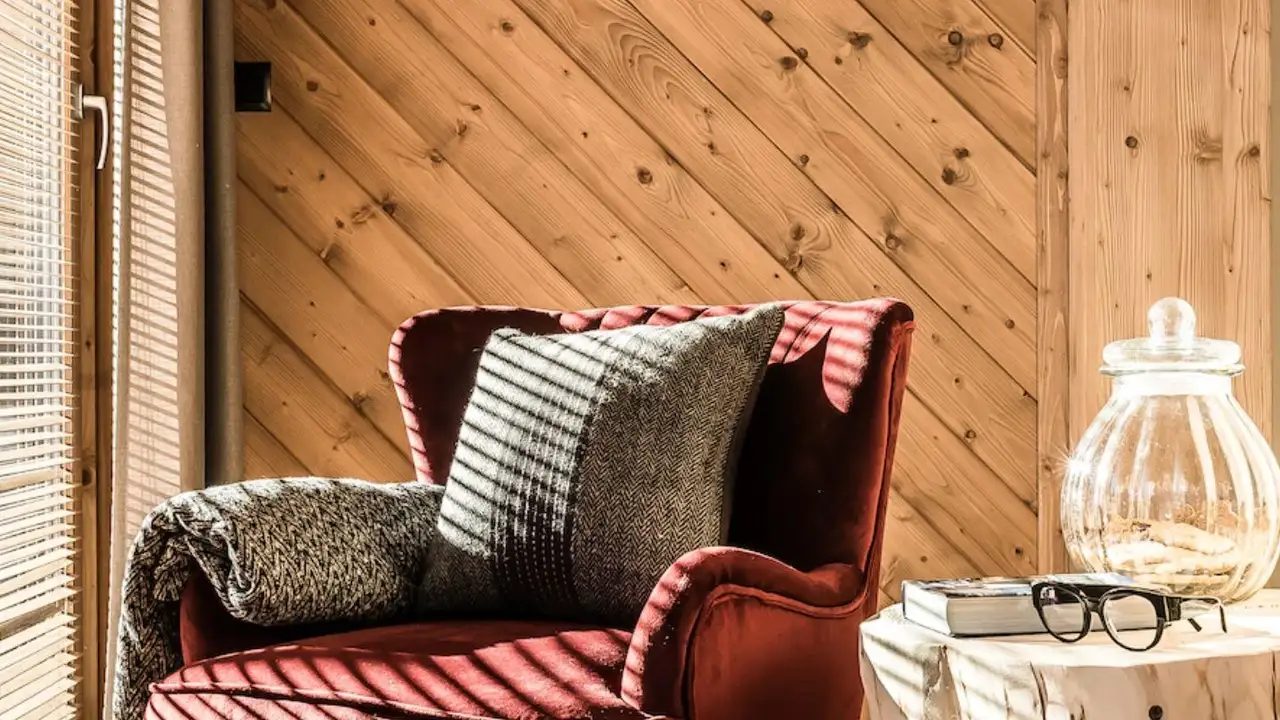
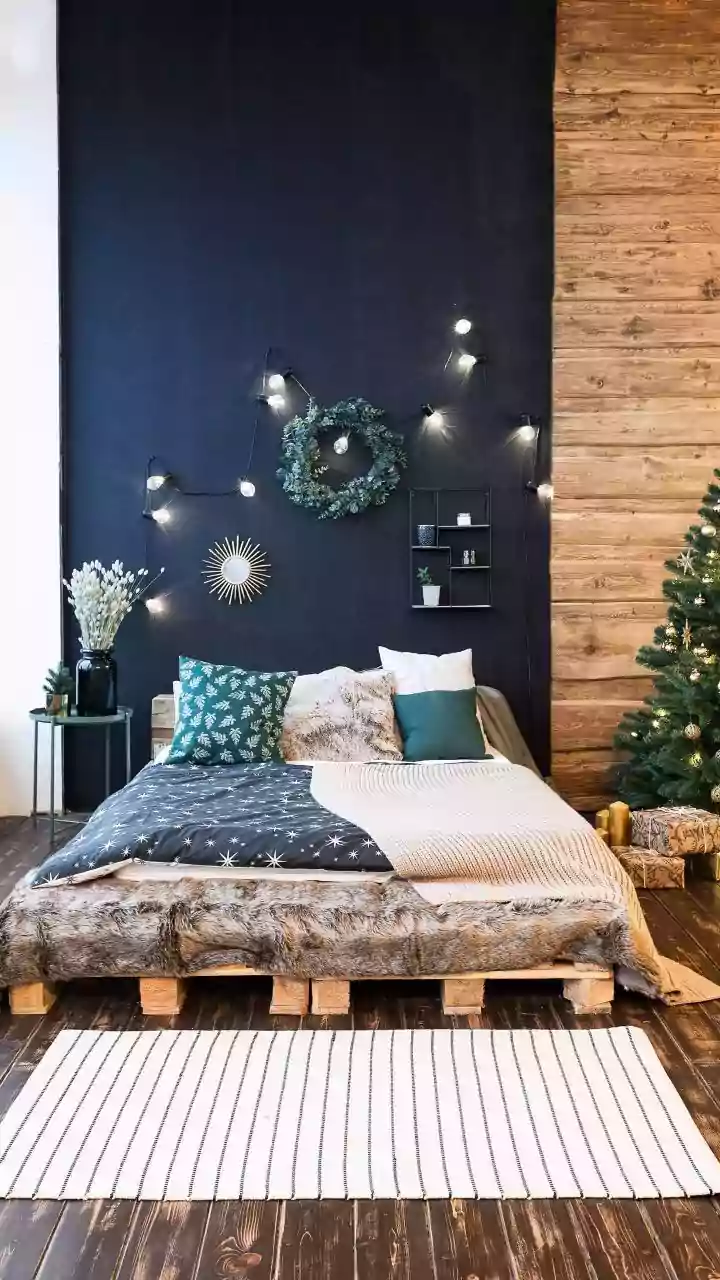
For instant character, nothing beats reclaimed wood. Sourced from old barns, factories, or warehouses, this timber brings a lived-in history that new materials simply cannot replicate. An accent wall made from reclaimed wood planks can become a stunning focal point in a living room or bedroom. If a full wall feels too ambitious, consider smaller applications like floating shelves, a mantelpiece, or even wall panels. Similarly, distressed wood, which has been intentionally aged, provides a timeworn look that is perfect for rustic decor. A distressed console table or bookcase can add a relaxed, welcoming feel to any space.
Layer Different Wood Tones
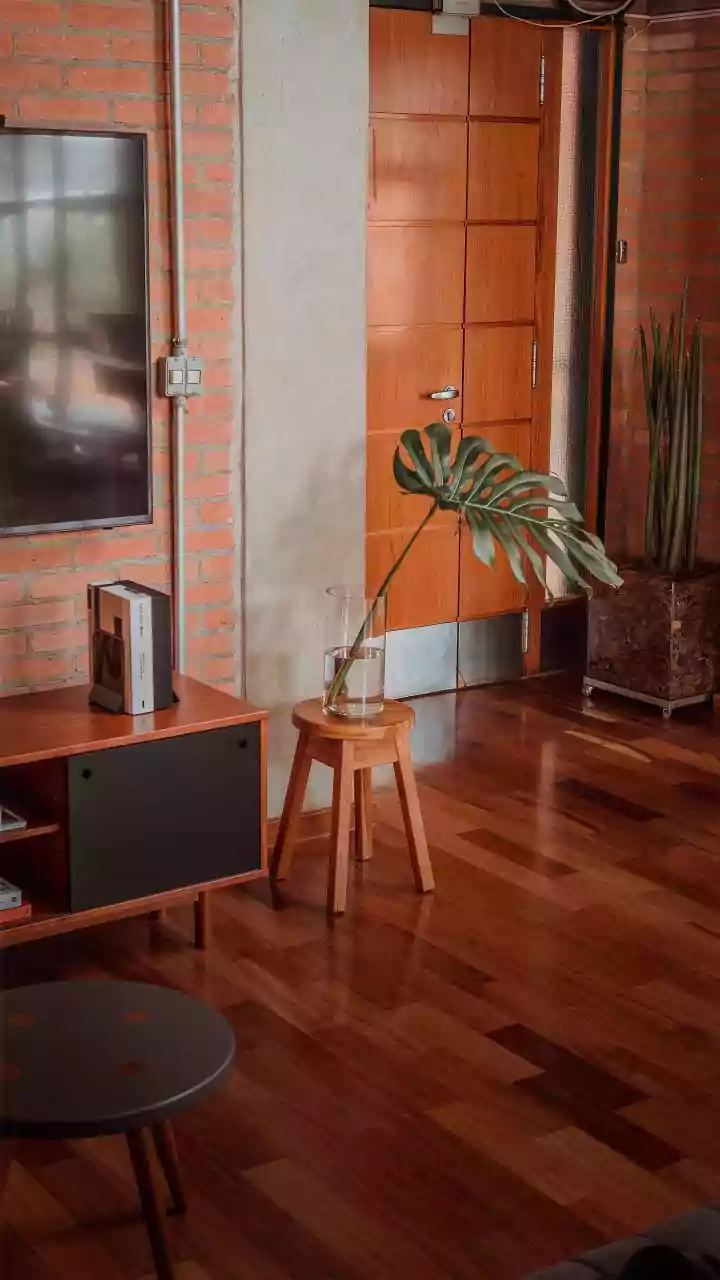
A common misconception is that all the wood in a room must match. In fact, layering different wood tones creates a more curated and dynamic look. The key is to ensure the undertones of the various woods are compatible. Most woods have either warm (yellow, red) or cool (grey, blue) undertones. As a general rule, stick to one temperature family. For instance, you can pair a warm walnut piece with a honey-toned oak. A good strategy is to use the 60/30/10 rule: let one dominant wood tone (like your flooring) make up 60% of the wood in the room, a secondary tone for furniture at 30%, and a third as small accents for the final 10%. This creates a balanced, intentional design.
Incorporate Small Wooden Accents
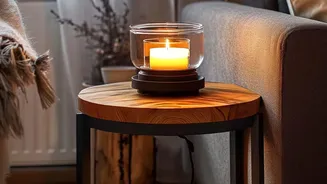
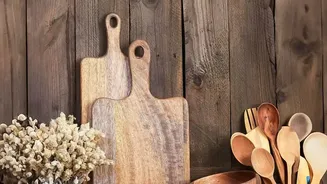
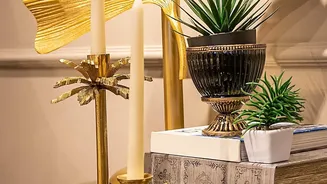
You don't need large furniture to make a rustic impact. Small wooden accessories can effectively introduce warmth and texture throughout your home. Think about wooden picture frames, candle holders, decorative bowls, or serving trays. In the kitchen, items like wooden cutting boards, utensil holders, or a rustic spice rack can add a touch of charm. In the living room, a stack of wooden crates can be repurposed as stylish storage. These smaller pieces can also help tie different wood tones together, creating a cohesive feel. A wooden lamp base, a mirror with a wood frame, or even sculptural objects made of wood can add that final, thoughtful touch.
Pair Wood with Natural Textures
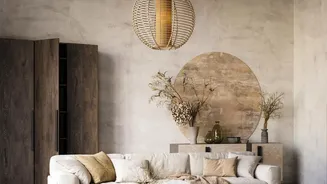
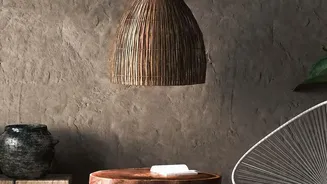
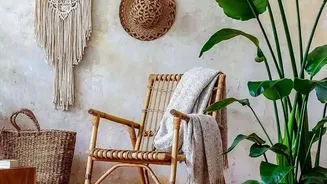
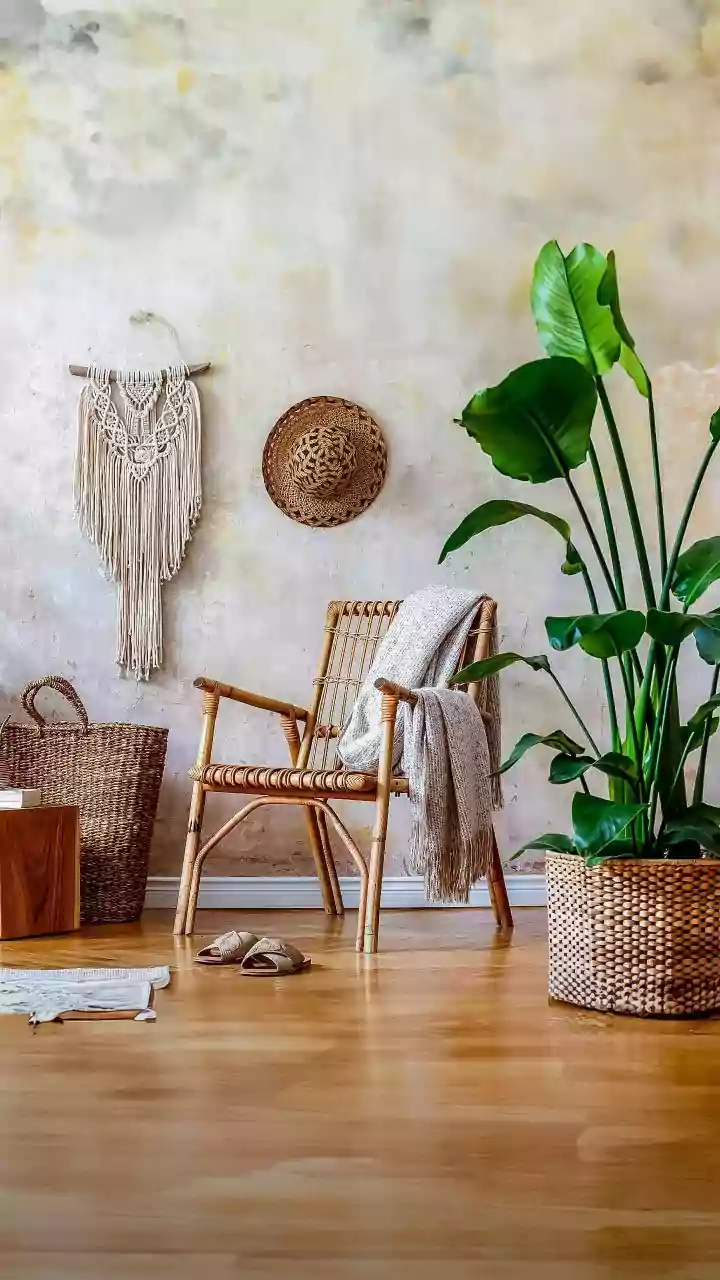
The warmth of wood is amplified when combined with other natural materials and textures. Rustic design is about bringing the outdoors in, so think about fabrics and materials that complement wood's organic feel. Pair a wooden dining table with linen placemats, or place a chunky knit wool throw over a leather armchair. Woven materials like jute, sisal, and wicker are excellent additions in the form of area rugs, storage baskets, or lampshades. Combining wood with stone, such as a stone fireplace surround or a slate coaster set, also enhances the natural, earthy aesthetic.