




The Familiar Favourite: Puffed Rice (Murmura)
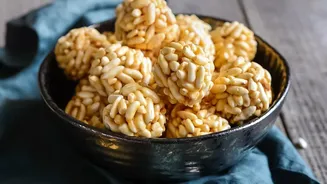
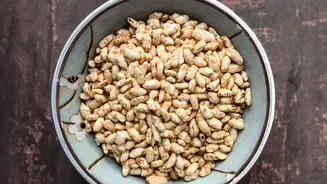
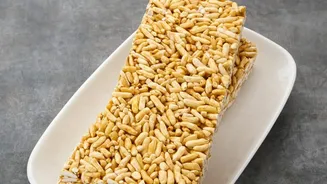
For generations, puffed rice has been the backbone of countless Indian snacks, from the tangy explosion of bhel puri to simple, light bowls of breakfast cereal. Made by heating rice grains under high pressure, the process makes them expand and become
light and crispy. Nutritionally, plain puffed rice is known for being extremely low in calories and fat, making it an easy-to-digest, guilt-free base for snacks. However, it's primarily composed of carbohydrates and offers minimal protein or fibre. This means that while it provides a quick burst of energy, it has a high glycemic index and may not keep you feeling full for very long on its own.
The Trendy Newcomer: Quinoa Puffs
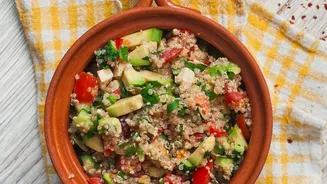
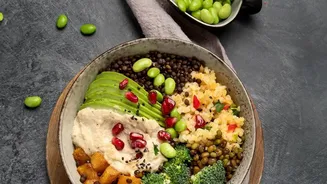
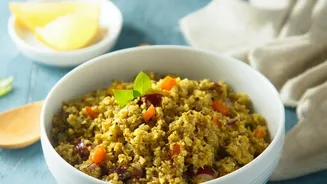
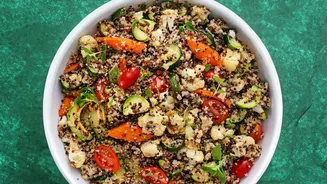
Enter quinoa puffs, the modern, health-focused alternative. Made from quinoa—a seed celebrated as a 'superfood'—these puffs undergo a similar heating and pressure process. The result is a light, crunchy texture, but with a significantly more robust nutritional profile. Quinoa's biggest claim to fame is that it’s a complete protein, containing all nine essential amino acids, a rarity in the plant kingdom. This makes quinoa puffs a more substantial ingredient. They retain much of the original seed’s benefits, including notable amounts of fibre, iron, and magnesium.
Nutritional Showdown: A Head-to-Head Look
When placed side-by-side, the differences become clear. Quinoa puffs are the undisputed winner on protein and fibre. A serving of quinoa puffs can contain more than double the protein and significantly more fibre than an equivalent amount of puffed rice. This combination is key for satiety, helping you feel fuller for longer and preventing subsequent cravings. Quinoa also has a lower glycemic index (around 53) compared to puffed rice (which can be 80 or higher), meaning it causes a slower, more gradual rise in blood sugar levels. Puffed rice, on the other hand, wins on the calorie front; it is significantly lighter and lower in calories by volume, making it suitable for those looking for a low-calorie filler.
In Snack Bars and Parfaits: The Verdict
For homemade snack bars, quinoa puffs offer a distinct advantage. Their higher protein and fibre content provide more substance and nutritional value, creating a bar that’s genuinely satisfying. The slightly denser, nuttier quality of quinoa puffs also holds up better when mixed with binders like honey or nut butter. Puffed rice can still work, creating a lighter, crispier bar reminiscent of commercial treats, but it offers less in terms of sustained energy. In parfaits, the choice is more about texture. Puffed rice provides a light, airy crunch that can get soft quickly in yogurt. Quinoa puffs offer a sturdier, more lasting crispness and a boost of protein and fibre, turning a light breakfast into a more filling meal.
Cost, Taste, and Accessibility in India
There's no contest when it comes to cost and availability. Puffed rice, or murmura, is incredibly affordable and can be found in every corner shop and supermarket across India. Quinoa puffs are a premium, health-focused product. They are considerably more expensive and typically sold in gourmet food stores or online. In terms of taste, puffed rice is neutral, taking on the flavours of whatever it's mixed with. Quinoa puffs have a subtle, nutty flavour that can add a new dimension to your recipes but may not be as universally adaptable. Many commercial quinoa puffs in India are now available in savoury chaat-inspired flavours, positioning them as a healthier alternative to fried snacks.