




The All-Too-Familiar Digital Downpour
There’s a specific kind of inertia that sets in with the first heavy rains of the season. Trapped indoors, we instinctively reach for our phones, seeking connection or distraction. Yet, we often find ourselves pulled into a vortex of grim headlines, political
squabbles, and algorithm-fueled outrage. This phenomenon, dubbed ‘doomscrolling,’ leaves us feeling anxious and drained, as though we’ve absorbed the world’s worries through our fingertips. The monsoon, a season of renewal for nature, can paradoxically become a time of mental fatigue for us, as the dreary weather makes the allure of the glowing rectangle even harder to resist.
Nature's Live-Streaming Service
But there’s a counter-programme available, and it requires no subscription. The same rains that keep us inside trigger a burst of activity in the natural world, even in the heart of our bustling cities. The monsoon is the breeding season for countless creatures, a time of abundance and drama. When their homes get flooded, animals living in burrows and crevices are forced out into the open. This shift transforms our balconies, local parks, and even the drenched street below into a stage for some of the year’s most compelling live entertainment. All it asks of us is to look up from our screens.
The Stars of the Show
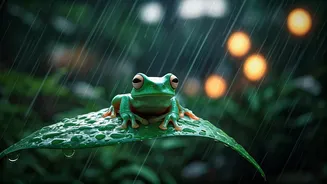
The most iconic star is undoubtedly the Indian peafowl. The monsoon is their mating season, and seeing a peacock fan its iridescent tail and dance is a sight deeply woven into India’s cultural fabric. Recently, videos of peacocks casually strolling down Mumbai's busy Pedder Road went viral, delighting residents who are more accustomed to traffic jams than avian parades. But the cast is much larger. The persistent croaking of frogs provides the season's soundtrack, as species like the Indian Bullfrog emerge to find mates. Snails and earthworms venture out onto wet surfaces, while colourful grasshoppers and beetles appear in gardens. Many birds, from common sparrows and bulbuls to the famed Pied Cuckoo, known as a harbinger of the rains, become more active as insects and other food sources become plentiful.
More Than Just a Distraction
Watching this urban wildlife is more than just a pleasant diversion; it’s a powerful act of mindfulness. Observing an animal pulls us into the present moment, a state psychologists call “soft fascination.” Unlike the demanding, often stressful attention required by our digital devices, watching a bird build its nest or a lizard dart across a wall allows the mind to relax and recharge. Studies have shown that even brief encounters with nature can reduce stress, improve mood, and generate feelings of awe and connection. It’s a reminder that we are part of a larger ecosystem, a living world that operates on cycles far older and more meaningful than any 24-hour news cycle.