



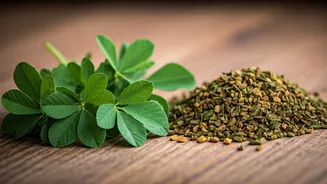


An Ode to a Complex Flavour
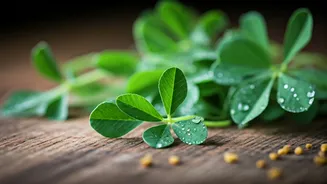
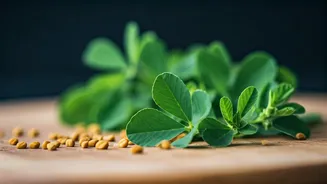
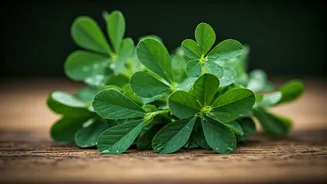
To describe fenugreek leaves is to paint a picture of contrasts. The primary flavour note is a pronounced bitterness, but it's a bitterness that is earthy and intriguing, not sharp or unpleasant. This is beautifully balanced by a deep, savoury quality
and nutty undertones. The aroma is just as captivating, often compared to maple syrup or caramel, a scent that comes from a compound called sotolon. This complex interplay of bitter, savoury, and aromatic is what makes methi so prized in culinary traditions, particularly in Indian cuisine. It’s a flavour that doesn’t just sit on the surface; it deepens and enhances the other ingredients in a dish, providing a sophisticated backbone to curries, stews, and breads.
Fresh Leaves vs. Dried Kasuri Methi
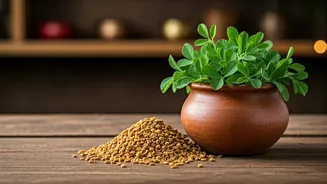
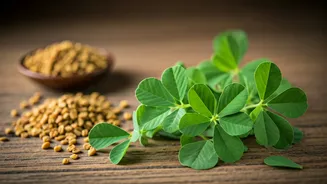
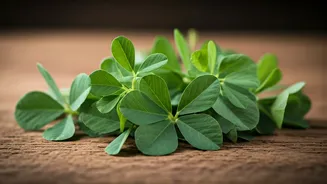
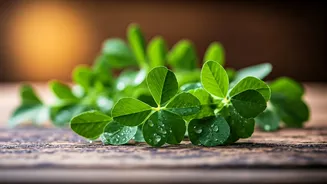
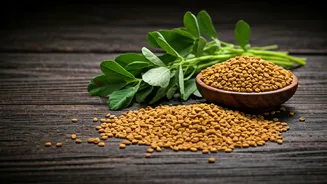
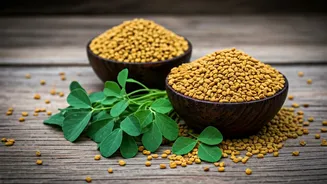
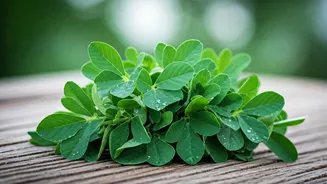
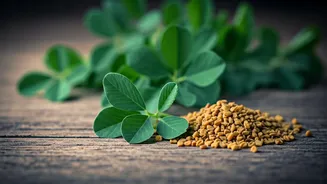
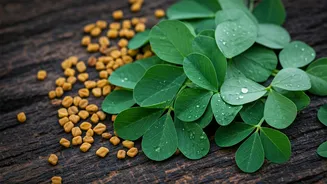
Fenugreek comes in two main forms for cooking: fresh leaves (methi) and dried leaves (kasuri methi). While they come from the same plant, their uses and flavour profiles differ significantly. Fresh methi has a cleaner, more vegetal taste, and its bitterness is more pronounced but also more vibrant. It’s used as a leafy vegetable, much like spinach, in dishes such as the classic Aloo Methi (potato and fenugreek stir-fry). Kasuri methi, on the other hand, consists of fenugreek leaves that have been dried. The drying process concentrates their flavour, making them more aromatic and intensely savoury, with a more subdued bitterness. Kasuri methi is used more like a finishing herb. Crushing the dried leaves between your palms and sprinkling them over a curry in the final moments of cooking releases their potent aroma and adds an unmistakable layer of flavour.
More Than Just a Flavourful Herb
Beyond its culinary appeal, fenugreek is a nutritional powerhouse. The leaves are an excellent source of vitamins and minerals, including vitamins A, C, and K, as well as iron and calcium. In fact, fresh methi leaves are among the most iron-dense leafy vegetables commonly found in the Indian diet. They are also rich in fibre, which aids digestion. Traditionally, fenugreek has been used in Ayurvedic medicine for various purposes, from supporting digestion to boosting immunity. While modern cooking focuses on its flavour, these nutritional benefits are a welcome bonus, making methi a wholesome addition to any meal.
Taming the Bitterness in Your Kitchen
The signature bitterness of fenugreek is desirable, but sometimes it needs to be balanced. There are several simple techniques to ensure the bitterness complements rather than overpowers your dish. First, always separate the leaves from the tougher, more bitter stems. A popular method is to sprinkle the leaves with salt and let them sit for about 20-30 minutes before gently squeezing out the dark, bitter juices and rinsing. Soaking the leaves in warm water with a little lemon juice can also work wonders. In cooking, pairing methi with creamy or fatty ingredients like potatoes, paneer, yogurt, or cream helps to mellow its flavour beautifully. Adding a pinch of sugar or jaggery can also provide a sweet counterpoint.
Iconic Dishes to Inspire You
The best way to appreciate fenugreek is to experience it in the dishes that have made it famous. Aloo Methi is a simple, dry stir-fry where potatoes and fresh methi are cooked with gentle spices, allowing the herb’s flavour to shine. Methi Thepla, a spiced flatbread from Gujarat, incorporates fresh leaves into the dough for a delicious, travel-friendly snack. For something richer, Methi Matar Malai is a creamy, luxurious North Indian curry that combines fenugreek leaves with green peas in a sweet and savoury cashew-based gravy. And of course, a sprinkle of kasuri methi is the secret finishing touch for many famous curries, including Paneer Butter Masala and Dal Makhani, adding that final, fragrant flourish.