



The Land of the Chilli
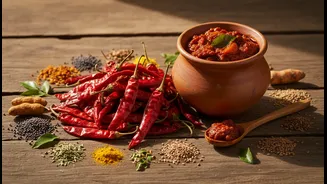
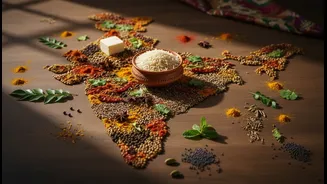
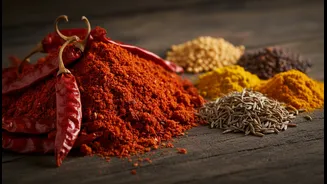
You can't talk about Andhra food without talking about spice. Andhra Pradesh is one of India's largest producers of red chillies, particularly the famously potent Guntur chilli. This isn't just a coincidence; it's the very heart of the cuisine. The liberal
use of chilli powder isn't just for heat; it's a foundational flavour that everything else is built around. This tradition grew partly from the hot climate, where spice was a natural preservative, and has since evolved into a defining cultural trait. While the heat is prominent, it's always balanced with other powerful flavours, creating a complex and layered taste experience.
Gongura: The Tangy Soul
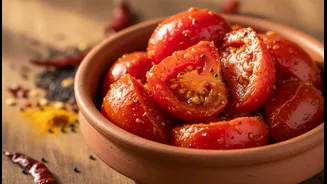
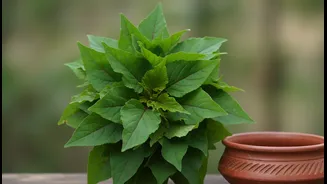
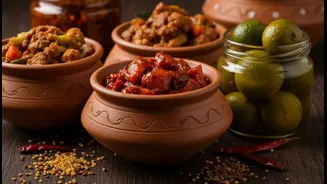
If chilli is the heart, then Gongura is the soul of Andhra cuisine. These sour-tasting sorrel leaves are quintessentially Telugu and feature in a variety of dishes, from the iconic Gongura Pachadi (a coarse chutney) to Gongura Mamsam (a mutton curry). The leaves have a unique tangy flavour that cuts through the richness and spice of other ingredients, providing a refreshing counterpoint. It's so important to the region's identity that it's often fondly called 'Andhra Maatha' (Mother Andhra). The pickle made from these leaves is a staple in every Andhra household, typically eaten with hot rice and a dollop of ghee.
Pesarattu: The Power-Packed Breakfast
Move over, standard dosa. Meet the Pesarattu, a crepe-like bread made from a batter of whole green gram (moong dal). Unlike its fermented rice-and-lentil cousin, Pesarattu batter is often used fresh. This protein-packed dish originated in Andhra Pradesh and is a beloved breakfast item. It’s typically served with a ginger chutney (Allam Pachadi) that complements its earthy flavour. For a truly classic experience, order an 'MLA Pesarattu,' which comes stuffed with savoury upma—a combination supposedly popularised in the canteens of the state's Legislative Assembly.
Pulihora: The Festive Favourite
Pulihora, or tamarind rice, is a dish that speaks of celebration and tradition. A staple during festivals and special occasions, this rice preparation gets its signature sour and tangy taste from tamarind pulp. The flavour profile is complex, built with a tempering of mustard seeds, curry leaves, peanuts for crunch, and a blend of spices. It's a dish with a long history, considered a sacred offering (prasadam) in many South Indian temples. While versions exist across South India, the Andhra style is known for its generous use of green chillies, adding an extra layer of heat to the tanginess.
Gutti Vankaya Kura: A Stuffed Brinjal Masterpiece
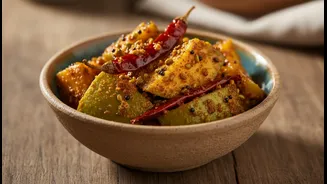
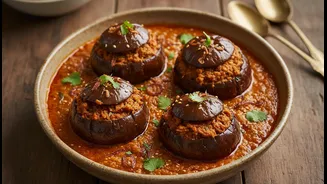
A testament to the complexity and elegance of Andhra vegetarian cooking, Gutti Vankaya Kura is a dish of small, tender brinjals stuffed with a fragrant masala. The stuffing is typically a rich, nutty paste made from roasted peanuts, coconut, sesame seeds, and a variety of spices. These stuffed brinjals are then simmered in a tangy, spicy gravy until they are melt-in-your-mouth tender. It's a dish that showcases the balance of flavours—nutty, spicy, tangy, and slightly sweet—that is a hallmark of the region's curries.
Ulava Charu: The Rustic and Rich Soup
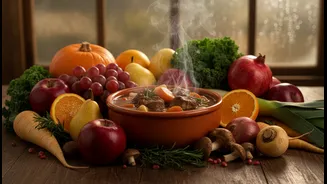
A true delicacy from the rural heartlands of Andhra, Ulava Charu is a thick, soup-like stew made from horse gram (ulavalu). Preparing it is a labour-intensive process, involving boiling the horse gram for hours to extract its essence into a dark, flavourful liquid. This stock is then simmered with tamarind paste and a special blend of spices, resulting in a dish that is deeply earthy, tangy, and incredibly rich. Traditionally served with a dollop of fresh cream or butter over hot rice, Ulava Charu is a comforting and nourishing dish often reserved for special occasions.