
A Collision Course for Science
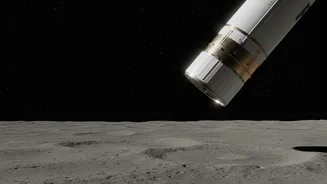
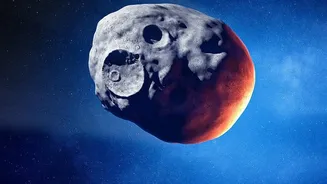
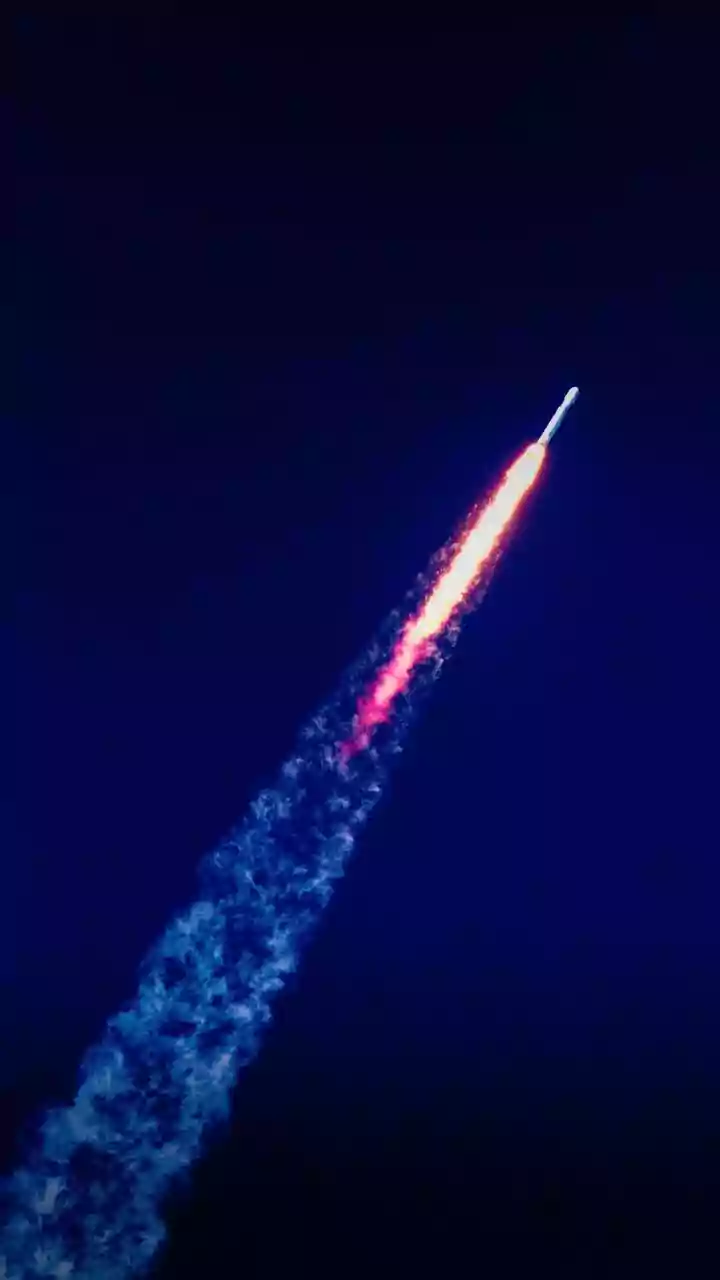
A spent upper stage from a SpaceX Falcon 9 rocket, which has been in a looping orbit since its mission in early 2025, is on a collision course with the Moon. This isn't a scene from a sci-fi movie, but a real event that has space agencies and astronomers
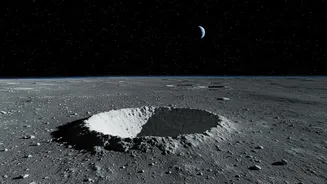
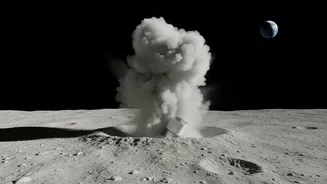
buzzing. While the impact was initially unplanned, a result of gravitational forces and solar activity altering its orbit, scientists have seized it as a valuable research opportunity. The rocket body is expected to slam into the surface at over 8,000 km/h, creating a new crater estimated to be around 18 metres wide. Though human-made objects have hit the Moon before, each impact is a rare chance to perform a grand experiment.
Reading the Lunar Shockwaves
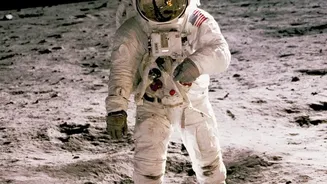
Think of the impact as a giant hammer strike, sending powerful vibrations—or seismic waves—through the Moon. For decades, scientists have studied 'moonquakes' to understand the lunar interior. The Apollo missions left seismometers that detected thousands of moonquakes, revealing that the Moon isn't a geologically dead rock but has a complex inner life. These quakes, caused by tidal forces from Earth or the Moon's own cooling and shrinking, provided early clues about its structure. An artificial impact like this one creates a known seismic event. By studying how the shockwaves travel, scientists can get a clearer picture of the Moon's crust, mantle, and core, much like a doctor uses an ultrasound to see inside a patient. This data helps refine our models of the Moon’s layered composition.
Analysing the Ejected Dust
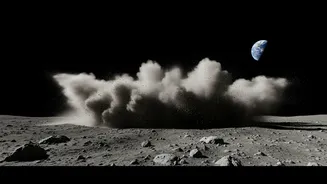
The crash will blast a huge plume of lunar dust and rock, known as ejecta, high above the surface. This cloud of debris is a treasure trove of information. As sunlight illuminates the plume, telescopes and orbiting spacecraft can analyse its composition using a technique called spectroscopy. This allows scientists to identify the elements and minerals that were previously hidden beneath the surface. Previous intentional impacts, like NASA's LCROSS mission in 2009, used this exact method to famously confirm the presence of water ice in a permanently shadowed crater near the lunar south pole. Today's impact provides another chance to excavate and analyse a new location, potentially revealing more about the distribution of key resources.
A Link to India's Lunar Goals
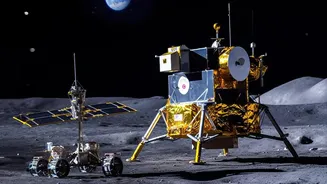
This event holds particular relevance for India’s ambitious space program. ISRO’s Chandrayaan missions have made monumental contributions to lunar science, from Chandrayaan-1's initial discovery of water molecules to Chandrayaan-3's historic landing in the south polar region. In fact, Chandrayaan-1 also deployed a Moon Impact Probe, which was deliberately crashed in 2008 to analyse surface material, confirming water's existence. Understanding the lunar subsurface is critical for future missions. The data from this Falcon 9 impact will complement the findings from ISRO’s instruments, which have been mapping subsurface ice and studying the Moon's seismic activity. Every piece of data about what lies beneath the regolith helps plan for long-term exploration and the potential for using local resources, a key goal for future lunar bases.