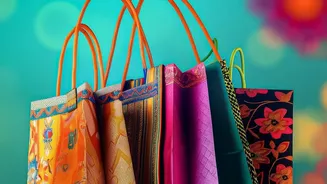








The mountain of re-gifted sweet boxes and elaborately packed but seldom-used items is a familiar sight. A quiet but firm revolution is reshaping India's festive gifting landscape, moving it from transactional to thoughtful.
The Search for Meaningful Connection
In an era of rapid digital communication,
the desire for genuine personal connection has grown stronger. Many now see gifting as an opportunity for emotional expression rather than a transactional obligation. A generic, mass-produced hamper, however expensive, can feel impersonal. In contrast, a gift that reflects the recipient's specific needs, hobbies, or aspirations—be it a high-quality kitchen gadget for a budding home chef or a subscription to a streaming service for a film buff—shows genuine thought. This shift is driven by a desire to make the recipient feel seen and understood. Younger consumers, in particular, are moving away from traditional cash gifts towards curated items that create a memorable experience and tell a story.
A Pushback Against Wastefulness
Growing environmental consciousness is playing a significant role in this evolving trend. Consumers are increasingly aware of the waste generated by excessive packaging—the plastic wrappers, ribbons, and thermocol trays that accompany many luxury hampers often end up in landfills. This has sparked a move towards sustainability, with a preference for gifts that are not only useful but also have a smaller environmental footprint. Many now actively seek out eco-friendly products, items made from recycled or biodegradable materials, and gifts from local artisans. This conscious consumerism reflects a broader value shift where the impact of a product on the planet is as important as its price tag.
The New Economic Prudence
While festive spending continues to be a significant part of the Indian economy, households are becoming more deliberate with their budgets. Amid concerns about inflation, many consumers are choosing to shop smarter, focusing on value and utility. This doesn't necessarily mean spending less, but rather spending better. An expensive hamper filled with perishable items that may not be to the recipient's taste can be seen as poor value for money. Instead, people are opting for a single, durable, high-quality item that will last. This practical approach allows consumers to maintain the spirit of festive generosity while making more financially sound decisions.
Redefining What 'Premium' Means
The very definition of a 'premium' gift is being recalibrated. Historically, a high price tag was a signal of status and care. Today, the premium is increasingly placed on relevance, story, and thoughtfulness. A handcrafted item from a local artisan, a wellness hamper with clean, organic products, or a tech gadget that simplifies daily life are the new status symbols. This trend is also being driven by the corporate world, where generic branded pens are being replaced by curated experiences that communicate respect and understanding of the recipient. As people receive more thoughtful gifts in their professional lives, it recalibrates their expectations for personal gifting as well.