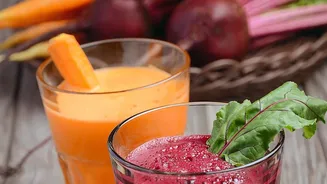




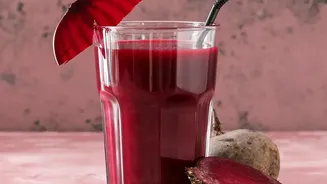
The Process: What Is Cold-Pressed Juice?
First, let's clarify what “cold-pressed” means. The process involves two main steps: first, fresh fruits and vegetables are shredded or ground into a fine pulp. Then, this pulp is placed under a hydraulic press that applies thousands of pounds of pressure
to squeeze out every last drop of liquid. The key here is the absence of significant heat. Traditional centrifugal juicers use fast-spinning blades that generate heat from friction and introduce oxygen, both of which can degrade some nutrients. Cold-pressing, by contrast, is a slow and heat-free method designed to keep vitamins and enzymes more stable, resulting in a raw, unpasteurised juice.
Myth: It’s Far More Nutritious Than Other Juices
This is the primary selling point, and there is some truth to it. Because it avoids heat, cold-pressing can preserve heat-sensitive compounds like vitamin C and certain enzymes better than centrifugal juicing. Some studies suggest cold-pressed juice can retain more antioxidants. However, the difference might not be as dramatic as the marketing suggests, and some research has found no significant difference in key bioactive compounds between the two methods. Furthermore, nutrients in any juice begin to degrade over time, even when refrigerated. After just one day, some cold-pressed juices can lose a significant percentage of their nutritional value. So while a freshly made cold-pressed juice may have a slight edge, a bottle that has been sitting on a shelf for days—even a refrigerated one—has already lost some of its purported benefits.
Reality: The All-Important Fiber Is Lost
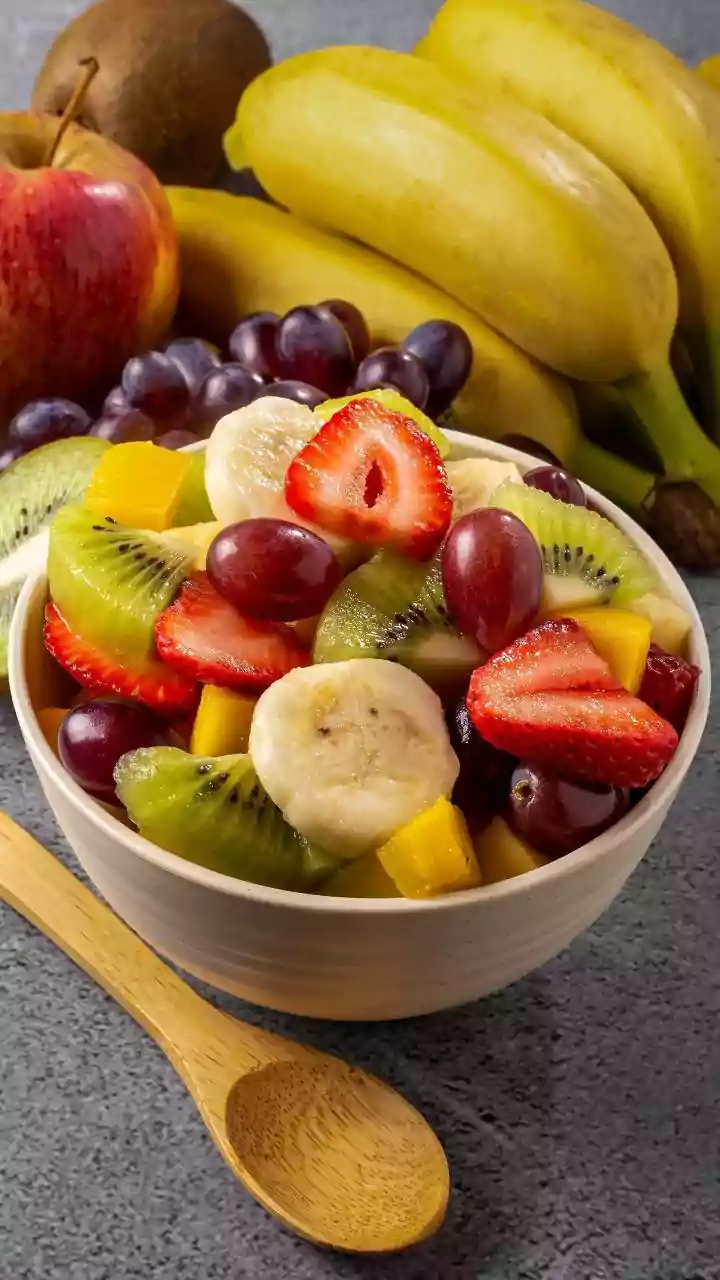
Here’s the biggest catch: the juicing process, whether cold-pressed or not, separates the liquid from the solid parts of the fruit and vegetables. That solid part is the pulp, which is where almost all the dietary fiber is. Fiber is crucial for good health. It aids digestion, helps you feel full, and most importantly, it slows down the absorption of sugar into your bloodstream. By removing the fiber, you're left with a beverage that offers vitamins and minerals but lacks a key component for digestive health and blood sugar regulation. For a true fibre fix, eating the whole fruit or vegetable is always the superior choice.
Reality: It Can Cause a Rapid Blood Sugar Spike
Without fiber to slow things down, the natural sugars from the fruit are absorbed very quickly by your body. This can cause a rapid spike in blood sugar and a subsequent crash, leaving you feeling tired and hungry again soon after. While you might be drinking the juice of three apples, a handful of spinach, and a carrot, your body processes it very differently than if you were to eat those items whole. The glycemic index of fruit juice is significantly higher than that of whole fruit. For this reason, many nutritionists advise against using juice as a meal replacement and warn that it’s not an effective tool for weight management.
Myth: The High Price Guarantees Superior Quality
A single bottle of cold-pressed juice can be quite expensive, leading many to assume the price reflects its superior health benefits. The cost is high, but for more practical reasons. Firstly, it takes a huge amount of produce to create a small amount of juice—sometimes up to 1.5 kilograms for a single 300ml bottle. Secondly, the cold-pressing machinery is expensive and the process is slow and labour-intensive. Finally, since the juice is often unpasteurised (or uses high-pressure processing instead of heat), it has a very short shelf life of only a few days, leading to potential waste for producers. The high price tag is more a reflection of production costs than a guarantee of magical health properties.