
The Warm, Roasted Foundation
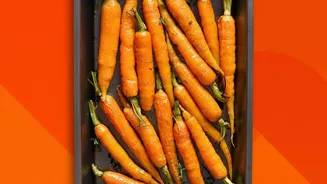
The heart of a cozy, rainy-evening spread lies in its warm, roasted components. Roasting vegetables and other ingredients deepens their flavour, bringing out a natural sweetness and a comforting aroma that fills the kitchen. Start with vegetables that hold
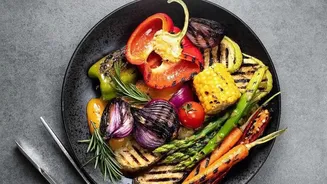
up well to heat. Think cherry tomatoes on the vine, which become soft and sweet, or florets of cauliflower and broccoli that get delightfully tender with crispy edges. Other great options include sticks of zucchini, colourful bell peppers, and sliced portobello mushrooms. Don't stop at vegetables; roasted chickpeas seasoned with paprika and salt offer a fantastic crunch, while whole cloves of roasted garlic become soft, spreadable, and surprisingly mellow. To prepare, simply toss your chosen items in a light coating of olive oil, season with salt, pepper, and perhaps some dried herbs like oregano or thyme, and roast in a hot oven until they are tender and beginning to brown. This creates a warm, savoury base that invites you to slow down and savour each bite.
The Bright, Fresh Counterpoint
To prevent your snack board from feeling too heavy, a generous selection of fresh, crisp elements is essential. These items provide a bright, clean contrast to the deep flavours of the roasted ingredients. Fresh fruits are a perfect starting point, offering natural sweetness and a juicy burst. Small bunches of grapes, slices of crisp apple or pear, and seasonal berries like blueberries or strawberries add vibrant colour and freshness. For the vegetable component, think crunchy and cool. Cucumber sticks, crisp radishes, and colourful baby bell peppers served raw provide a satisfying snap. Fresh herbs not only act as a beautiful garnish but can also add to the flavour profile; sprigs of rosemary or basil tucked among the other ingredients are both visually appealing and aromatic. This blend of raw and cooked doesn't just create a more balanced flavour, it also introduces a pleasing variety of temperatures, making the entire spread more dynamic and engaging.
Mastering the Art of Texture
A truly memorable food experience engages more than just your sense of taste; texture plays a crucial role in how we perceive and enjoy food. A successful snack spread is a playground of contrasting textures that keep the palate from getting bored. With your warm roasted items and cool fresh ones, you already have a great start. Now, amplify that with dedicated textural components. For creaminess, include a soft goat cheese, a buttery brie, or a bowl of hummus or another favourite dip. For crunch, go beyond basic crackers and include a variety of nuts like almonds or walnuts, and perhaps some crunchy roasted chickpeas. Something salty and briny, like a small bowl of olives or cornichons, adds another dimension of both flavour and texture. Don't forget a chewy element, which can be achieved with dried fruits like figs, apricots, or dates. Balancing these different mouthfeels—creamy, crunchy, chewy, soft—is what elevates a simple snack into a satisfying culinary experience.
Bringing It All Together
The final step is arranging your components in a way that is both beautiful and easy to navigate. The saying "we eat with our eyes first" is especially true for a platter like this. Choose a large board or platter as your canvas. Start by placing your dips and any items in small bowls, like olives or nuts, on the board first. These act as anchors. Next, arrange your larger items, like cheeses and clusters of roasted vegetables. Then, begin filling in the gaps. Fan out sliced fruits, create winding rivers of crackers, and tuck fresh herbs into any empty spaces. The key is to create a sense of abundance and variety, ensuring that different colours and shapes are next to each other. Make sure every element is visible and accessible. The goal isn't just to make it look good, but to invite people to dive in and create their own perfect bite by combining the different flavours and textures you've thoughtfully laid out.