
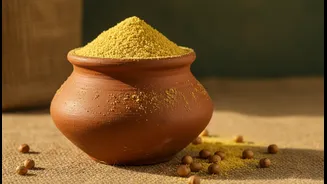


So, What Exactly Is Sattu?
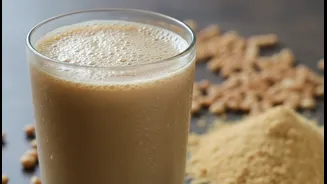
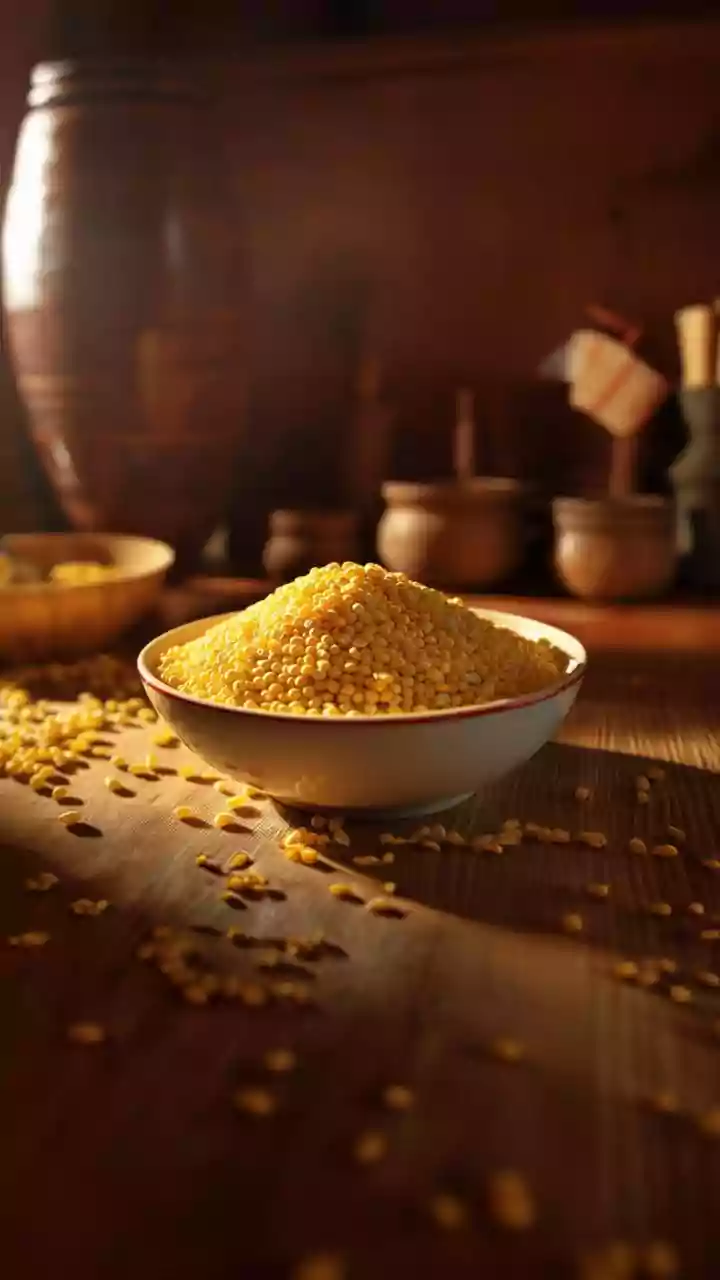
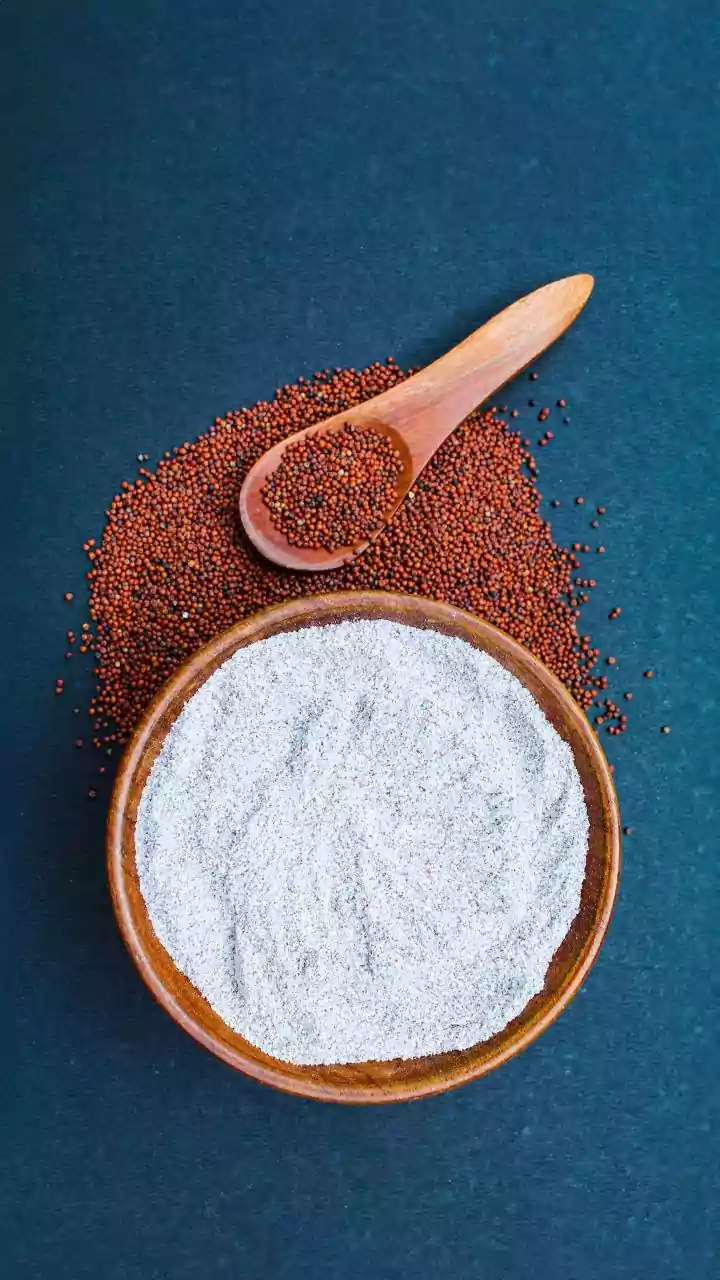
Before it was a trending hashtag, sattu was a pantry staple. It's a flour made from roasted Bengal gram (kala chana), and sometimes other grains like barley. The roasting process is key—it gives the flour a unique nutty flavour and, more importantly,
means it doesn't need to be cooked before consumption. This makes it an ancient convenience food. Sattu Sharbat is the simplest and most popular way to use it: a nourishing drink made by mixing the flour with water and either salt or sugar. Often called 'the poor man's protein', this humble ingredient is now being recognised as a superfood powerhouse that has been part of Indian diets for centuries.
The Unsung Hero of Nutrition
The buzz around sattu is backed by some serious nutritional credentials. It's an excellent source of plant-based protein, with some varieties packing around 20 grams of protein per 100 grams. This makes it a fantastic alternative to processed protein powders for vegetarians, vegans, and fitness enthusiasts. But that's not all. Sattu is rich in insoluble fibre, which is great for digestive health, helping to cleanse the system and prevent issues like bloating and constipation. It also has a low glycemic index, which means it releases energy slowly, preventing sugar spikes and crashes, making it a great option for people with diabetes. Add to that a wealth of essential minerals like iron, magnesium, and calcium, and you have a truly nutrient-dense food.
A Drink Steeped in Tradition
Sattu's history is as rich as its nutritional profile. It has been a staple for generations in states like Bihar, Jharkhand, and Uttar Pradesh. Often consumed by farmers and labourers for strength and endurance during long, hot workdays, it was a practical source of instant energy that required no cooking. Its long shelf life also made it the perfect travel food for everyone from monks on long journeys to soldiers in battle. Historical accounts suggest sattu, or its earlier forms made from barley ('saktu'), has been part of the subcontinent's diet for thousands of years, with mentions in ancient Ayurvedic texts. It is more than a food; it's a cultural touchstone, a symbol of resilience and practicality.
From Farm Fields to Social Feeds
So why is this ancient staple suddenly trending? Several factors are at play. There's a growing movement across India towards rediscovering traditional, indigenous foods. Consumers are becoming more sceptical of expensive, imported health fads and are looking for sustainable, local alternatives. Sattu fits the bill perfectly: it's affordable, all-natural, and culturally rooted. Wellness influencers and nutritionists have championed its benefits, bringing it to the attention of a younger, health-conscious urban audience. As people seek clean alternatives to sugary drinks and chemical-laden protein supplements, sattu offers a pure, effective, and time-tested solution that feels both authentic and incredibly modern.
Your Quick Guide to Making It
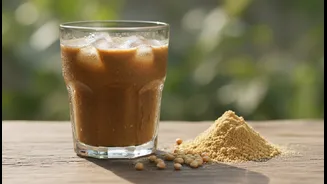
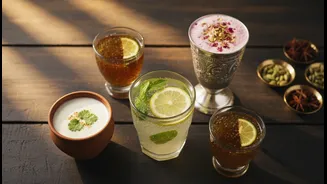
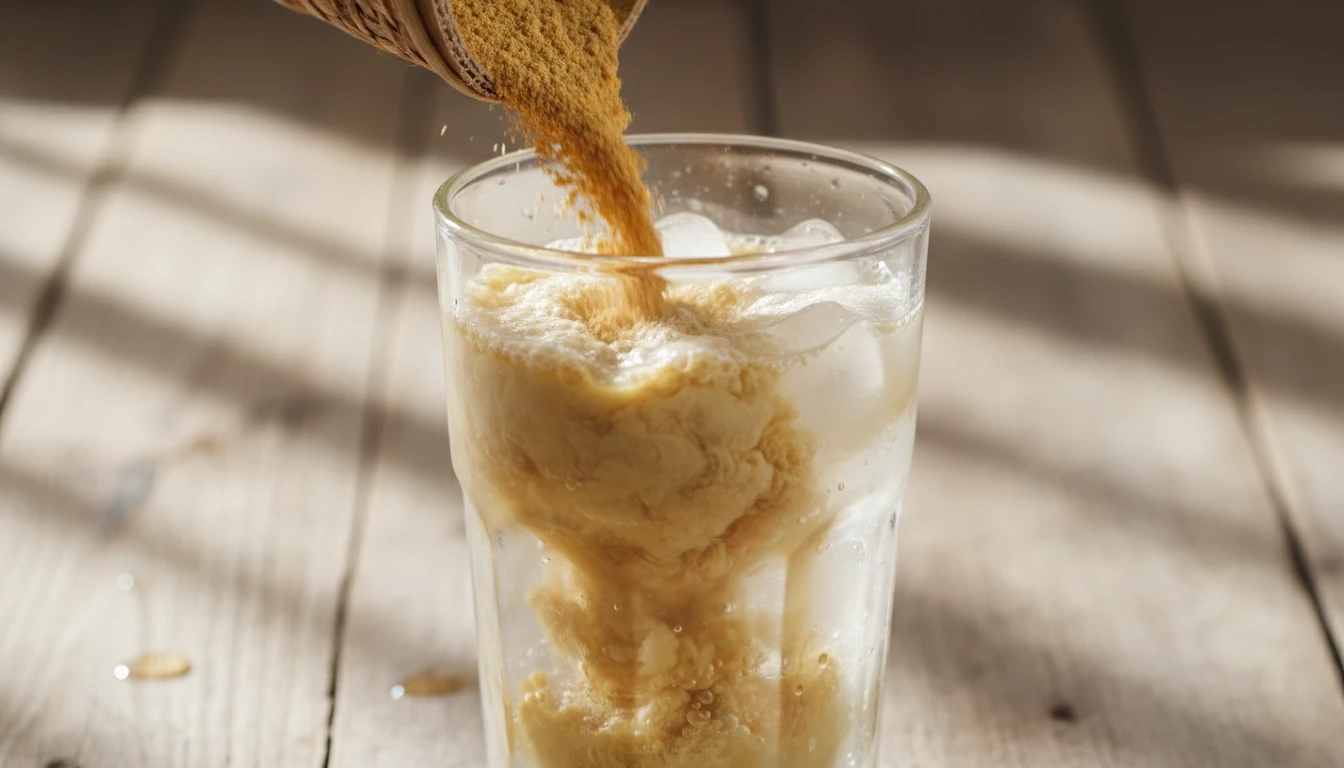
Joining the sattu wave is incredibly easy. The drink comes in two main versions: sweet (meetha) and savoury (namkeen). For a savoury sharbat, take a few tablespoons of sattu flour in a glass. Add chilled water, black salt, roasted cumin powder, and a generous squeeze of lemon juice. Mix vigorously until smooth. You can also add finely chopped onions, mint, or green chillies for extra flavour and texture. For a sweet version, simply mix the sattu with chilled water and jaggery or sugar to taste. Either way, it’s a refreshing, filling, and deeply nourishing drink that's ready in minutes.