






The Vegetarian's B12 Blind Spot
Vitamin B12, also called cobalamin, is essential for creating red blood cells, producing DNA, and maintaining a healthy nervous system. The catch? It's produced by bacteria and found almost exclusively in animal-based foods like meat, fish, eggs, and dairy.
This means that vegetarians, and especially vegans, are at a higher risk of developing a deficiency. While a lacto-ovo-vegetarian diet can provide some B12 through milk and eggs, it's often less than what's found in a non-vegetarian diet. Since the body can store B12 for years, a deficiency can creep up slowly and may not become apparent until your reserves are significantly depleted.
Sneaky Symptoms You Might Ignore
The signs of a B12 deficiency are often subtle and can be easily mistaken for the general stress of city living. Persistent fatigue, weakness, and feeling light-headed are common early symptoms. You might also experience brain fog, memory issues, irritability, or feelings of depression. It’s easy to blame a demanding job or a hectic schedule, but these could be your body's first signals of a problem. More distinct physical signs include a sore, red tongue, mouth ulcers, or a pale or yellowish tinge to your skin (jaundice). A pins-and-needles sensation or numbness in your hands and feet is a more serious neurological symptom that indicates the deficiency may be affecting your nerves.
The Urban Factor in B12 Deficiency
Life in a fast-paced urban environment can complicate nutrition. Urban dwellers often rely more on processed and convenience foods. While city life offers greater access to diverse foods, it can also lead to a departure from traditional, nutrient-balanced diets towards meals that are high in refined ingredients but low in essential micronutrients. For vegetarians, this might mean consuming fewer traditional B12-rich dairy products like homemade curd and paneer, and more packaged foods that may not be fortified. The high-stress nature of urban jobs and lifestyles can also mask early symptoms like fatigue, making it harder to spot the deficiency until it becomes more advanced.
Getting a Clear Answer: How to Test
If you suspect you have a B12 deficiency, self-diagnosing is not the way to go. The only definitive way to know is through a blood test ordered by your doctor. Your doctor will likely check your complete blood count (CBC) to look for signs of anemia, where red blood cells can become unusually large in B12 deficiency. They will also measure the level of B12 in your blood. In some cases, if the results are borderline or unclear, your doctor may order secondary tests that measure substances like methylmalonic acid (MMA) and homocysteine, which rise when B12 levels are functionally low in your body's tissues.
Boosting Your B12: Diet and Supplementation
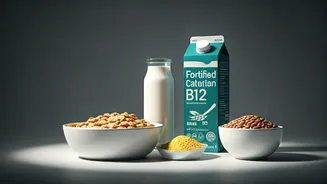
If you're a vegetarian, being proactive is key. The most reliable B12 sources for lacto-vegetarians are dairy products. Milk, cheese, paneer, and especially curd (dahi) are excellent natural sources readily available in India. For both vegetarians and vegans, fortified foods are a crucial ally. Many breakfast cereals, plant-based milks (like soy and almond milk), and nutritional yeast are enriched with B12. Check the nutrition labels to be sure. Certain mushrooms, like shiitake, also contain some B12. However, for many, especially vegans or those with a confirmed deficiency, a supplement may be necessary to ensure adequate intake.