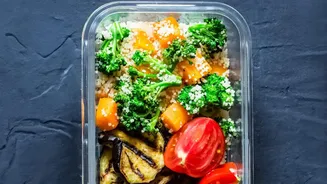





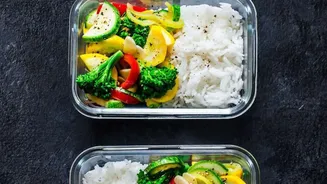

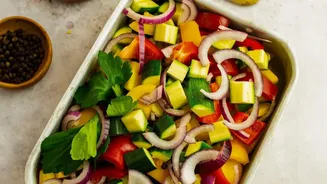
The idea of a full week of meals prepped on a Sunday is great in theory, but the reality can be a stressful kitchen marathon. A twice-weekly batch cooking system offers a simpler, more manageable path to home-cooked meals without the overwhelm.
The Twice-Weekly Advantage
Instead
of one massive cooking session, splitting your prep into two smaller chunks—say, on a Sunday and a Wednesday—has major benefits. Food stays fresher, reducing the risk of 'flavour fatigue' by midweek. It's less overwhelming, making the habit easier to maintain. A shorter prep session feels more like a routine task than an entire weekend project. This approach is about cooking components rather than full meals, giving you flexibility to assemble different dishes throughout the week from a core set of ingredients. Think of it as stocking your fridge with a ready-to-go inventory, cutting down daily cooking time significantly.
Plan Before You Shop
The secret to simple batch cooking starts before you enter the grocery store. First, choose a few core recipes for the next 3-4 days. Think in terms of components: a grain (rice, quinoa), a couple of proteins (dal, chicken, paneer), a few versatile vegetables, and one or two base sauces or gravies. From this plan, create a detailed shopping list. Check your pantry and fridge first to avoid buying duplicates. A clear plan prevents impulse buys and ensures you have everything you need for your first prep session, eliminating stressful last-minute store runs.
The 'Mise en Place' Workflow
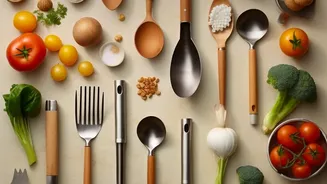
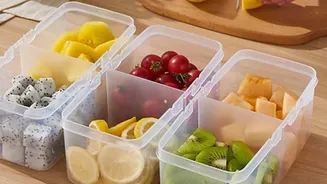
‘Mise en place’ is a French term meaning 'everything in its place', and it's the heart of efficient prep. Once your groceries are home, don't just put them away. Immediately wash, chop, and portion your ingredients. Group tasks together: wash all produce at once, then chop it all. Dice onions, slice peppers, and cube paneer. Store these prepared ingredients in separate, clearly labelled containers. This 'ingredient prep' approach means that when it's time to cook, you're just assembling and heating, not starting from scratch. You can even pre-measure spice blends for specific dishes to save even more time.
Smart Storage for Maximum Freshness
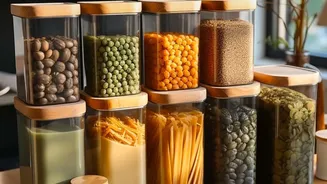
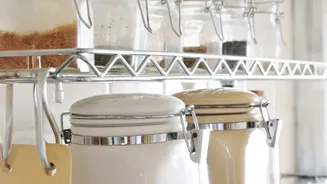
How you store your prepped ingredients is crucial for food safety and quality. Use airtight containers—glass is great because you can easily see the contents. For chopped vegetables like carrots and celery, adding a little water can keep them crisp. For leafy greens, place a paper towel in the container to absorb excess moisture and prevent them from getting slimy. Raw marinated meats should be on the bottom shelf of the fridge to prevent any juices from contaminating other foods and should be used within 1–2 days. Cooked components like dal or sabzi should be cooled within two hours before refrigerating and will generally last 3–4 days. Label everything with the contents and date.
Putting It All Together
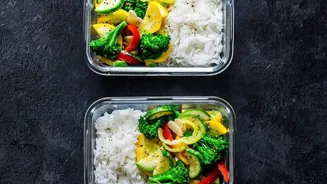
With your ingredients prepped and organized, the actual cooking becomes incredibly fast. On your first cook day (e.g., Sunday), you might cook a large batch of chana masala, boil some rice, and roast a tray of vegetables. These components can be mixed and matched for the next few days. On your second prep day (e.g., Wednesday evening), you can quickly stir fry the vegetables you chopped on Sunday with some pre marinated paneer or make a fresh tadka for a simple dal. This system ensures that later in the week meals taste just as fresh as those at the beginning, solving a common complaint of traditional weekly meal prep.