


The Unseen Danger: Cross-Contamination
The core issue is cross-contamination, which is the transfer of harmful bacteria from one food item to another. While you can't see, smell, or taste these germs, they can cause significant foodborne illnesses. Raw foods, especially meat, poultry, and
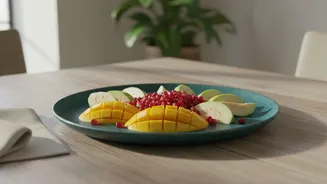
seafood, are common carriers of bacteria like Salmonella, E. coli, and Listeria. Even if these items are packaged, their juices can leak and contaminate other foods they come into contact with inside a shopping bag, refrigerator, or lunch bag. The simple act of these juices touching a ready-to-eat item, like a slice of melon or apple, transfers potentially dangerous pathogens.
Why Raw Foods Pose a Special Risk
Raw meat, chicken, and fish are primary culprits because they can host a variety of microorganisms that are normally killed during the cooking process. These germs can spread easily from the food itself or its packaging. For example, placing a packet of raw chicken in a reusable bag could leave behind bacteria that gets picked up by the apple you toss in on your next shopping trip. It's not just meat; unwashed vegetables can also carry bacteria from the soil or from handling. The rule is simple: any food that requires cooking to be safe should be physically separated from any food that will be eaten raw.
Cut Fruit: An Unsuspecting Target
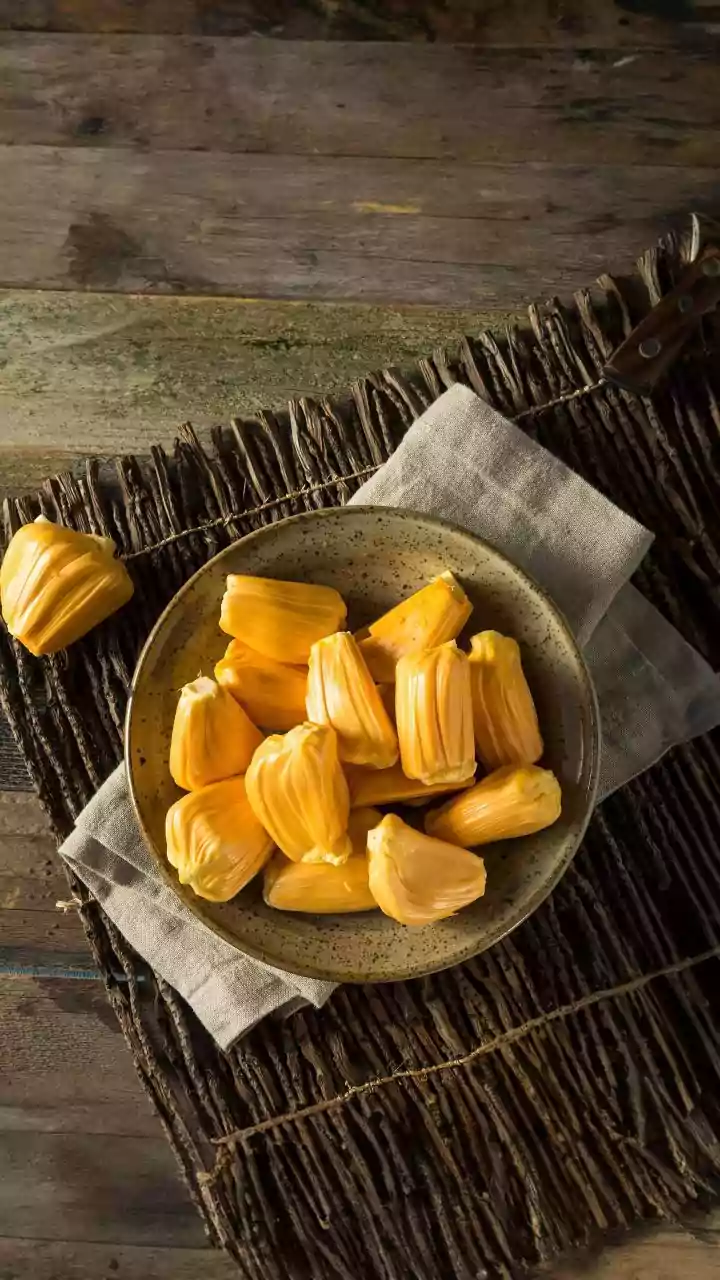
Cut fruit is particularly vulnerable for two reasons. First, unlike whole fruit with its protective skin, cut surfaces are moist and nutrient-rich, providing an ideal environment for bacteria to multiply rapidly. Second, fruit is almost always consumed without any further cooking, meaning any bacteria it picks up will be ingested directly. When perishable items like cut fruit sit at room temperature for more than two hours (or just one hour in temperatures above 90°F or 32°C), they enter the 'Danger Zone'—temperatures between 40°F and 140°F (4.4°C and 60°C)—where bacteria thrive. This makes a contaminated piece of fruit in a lunchbox a significant health hazard.
The Right Way to Pack Your Bags
Preventing cross-contamination is straightforward with a few simple habits. Whether at the grocery store or packing for the day, always bag raw meat, poultry, and seafood separately in disposable plastic bags before placing them in your cart or main bag. This contains any potential leaks. When bagging groceries, dedicate one bag exclusively for raw meats. If you use reusable bags, it's wise to have a designated, distinctly coloured bag for raw meats and to wash it frequently in hot, soapy water. For lunch boxes and picnic baskets, use separate, sealed containers for raw and ready-to-eat items. Place raw items at the bottom to prevent any accidental drips onto other foods.
Beyond the Bag: Safe Storage at Home
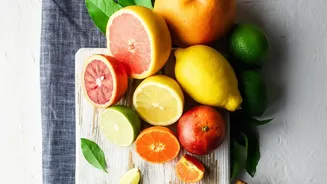
The principle of separation extends to your refrigerator. Store raw meat, poultry, and seafood on the bottom shelf, ideally within a container or on a plate to catch drips. This prevents their juices from contaminating produce stored in crisper drawers below. Ready-to-eat foods, including all fruits and vegetables (even unwashed ones), should always be stored above raw meats. Use separate cutting boards—one for raw meats and another for produce and other ready-to-eat foods. If you only have one, always cut fruits and vegetables first, then wash the board and knife thoroughly with hot, soapy water before preparing raw meat.