


The New Definition of Everyday Elegance
For years, fusionwear walked a tightrope between cultural expression and modern practicality. Today, that balance is shifting decisively. The trend is moving away from restrictive, heavily embellished pieces towards relaxed, wearable garments that fit
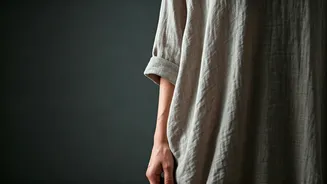
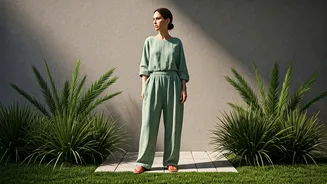
seamlessly into daily life. This isn't about sacrificing style; it's about redefining it. Comfort-first fashion means that the modern Indian woman can move freely through a busy day—from the office to a casual outing—without her clothes getting in the way. The new aesthetic is built on anti-fit silhouettes, which use loose, generous cuts that drape and flow rather than cling. Think less about rigid tailoring and more about kaftan-style kurtas, oversized tunics, and versatile co-ord sets that offer both polish and ease.
Breathable Fabrics Are the Foundation
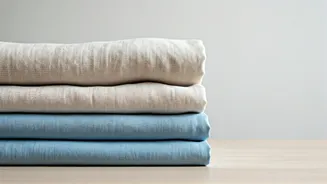
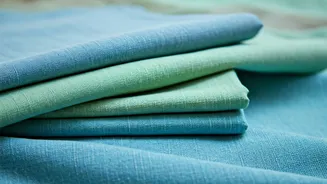
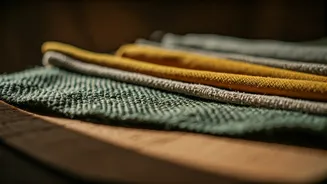
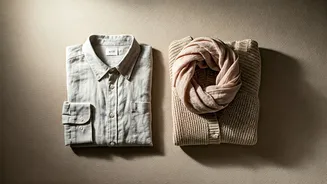
The secret to this new wave of fusionwear lies in the fabrics. Designers and brands are championing textiles that are suited to the Indian climate. Cotton, long the backbone of Indian wardrobes for its ability to absorb moisture and allow air to circulate, is seeing a resurgence in elevated designs. Linen, known for its light, airy feel and relaxed elegance, is another go-to choice for everything from office-appropriate kurtas to casual sarees. Beyond these classics, rayon has become a popular choice for its soft, flowy drape that feels comfortable while looking chic. Even festive fabrics are getting a lighter touch. Chanderi and cotton-silk blends offer a subtle sheen perfect for celebrations, but without the heat-trapping quality of heavier traditional silks. This fabric-first approach ensures that comfort is literally woven into the DNA of the garments.
Why the Shift Is Happening Now
Several cultural and social factors are driving this change. The global pandemic accelerated a move towards comfort-oriented clothing as work-from-home culture blurred the lines between personal and professional attire. This created a demand for outfits that were presentable for a video call but comfortable enough for a day spent at home. Furthermore, there's a growing desire among consumers, especially millennials and Gen Z, for authenticity and personal expression over performative dressing. They seek versatile pieces that can be mixed and matched, like pairing a kurta with jeans or a blazer, reflecting a confident, global-Indian identity. This shift also aligns with a broader wellness movement, where clothing is seen as something that should support well-being, not hinder it.
The Comfort-First Wardrobe
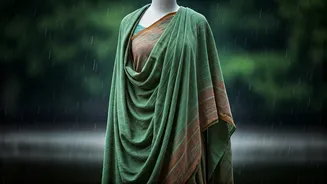
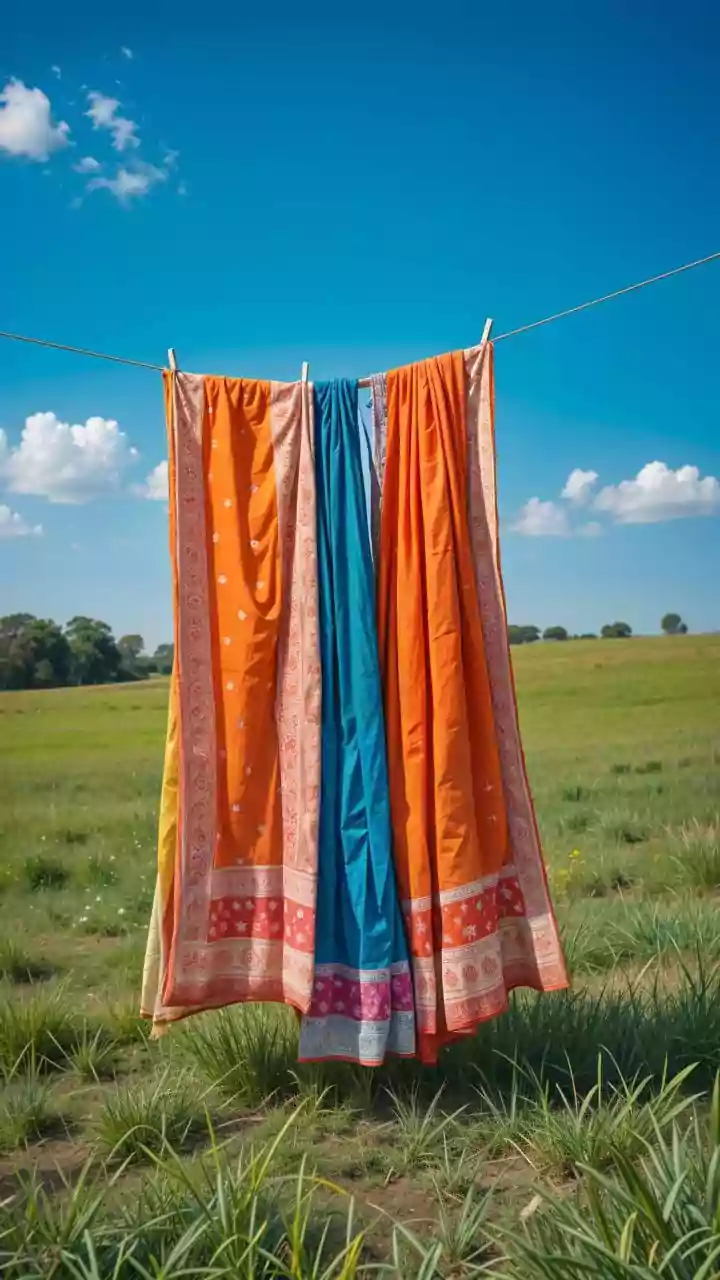
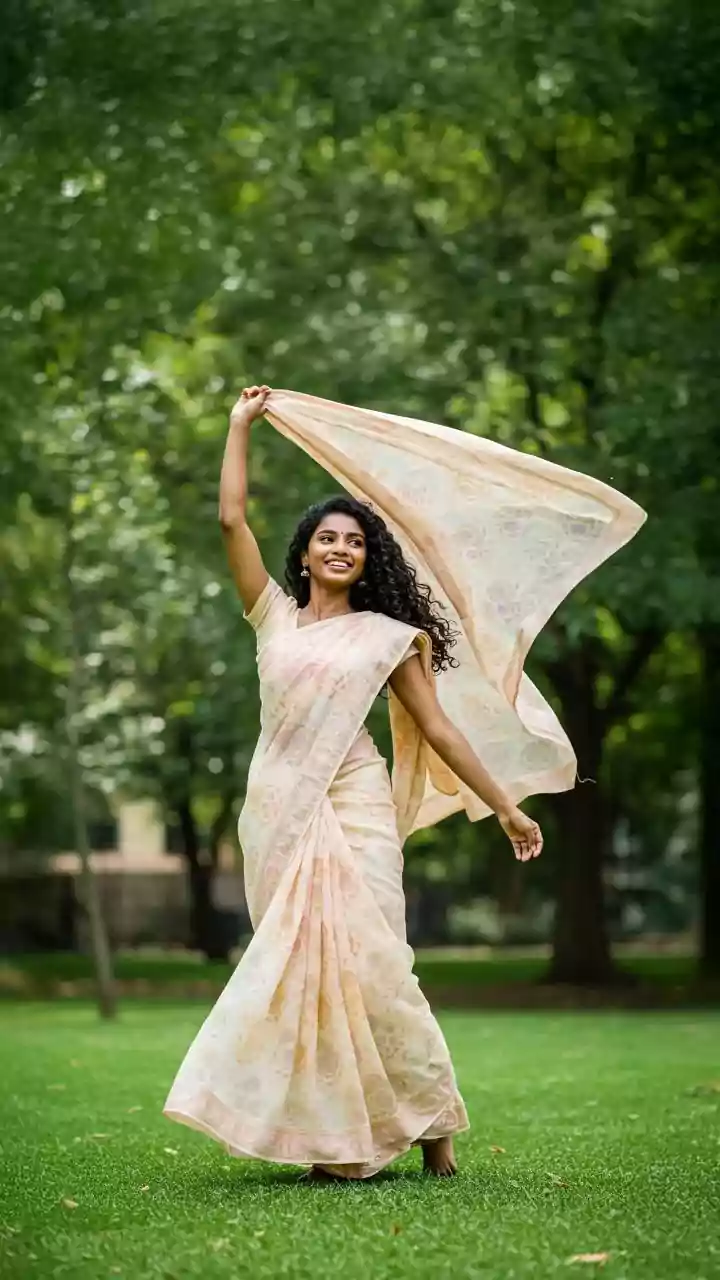
So what does this new fusion wardrobe look like? It’s built on versatile staples. A-line kurtas are paired with denim for an effortlessly polished Indo-Western look. Flowy palazzos and relaxed dhoti pants have replaced tight churidars, offering unmatched ease of movement. Long, tailored kurtas are being worn as standalone dresses, often cinched with a belt for structure. Co-ord sets—matching tops and trousers in traditional prints like ikat or block prints—have become a modern uniform for their put-together feel. The saree is also being reimagined, with pre-draped versions and lighter fabrics making the iconic garment more accessible for everyday wear. These pieces are not just about lounging; they are about living. They represent a style that is practical, adaptable, and deeply rooted in a modern Indian context.