



The Foundation: Why Daily Asanas Work
The idea of becoming flexible 'fast' can be misleading. True, lasting flexibility is built through consistent, gentle practice, not by pushing your body to its limits overnight. The magic of a daily yoga routine is in its cumulative effect. By dedicating
just 15 to 20 minutes each day, you encourage your muscles, tendons, and ligaments to lengthen and release tension safely. This regular movement improves blood flow, reduces soreness, and trains your nervous system to allow a greater range of motion. Instead of aiming for a dramatic change in a week, focus on the small, incremental gains you feel each morning. This approach prevents injury and turns your practice into a sustainable habit for long-term health and mobility. Remember to breathe deeply and never force a stretch; the goal is to feel a gentle release, not pain.
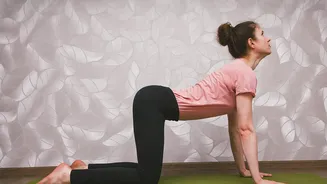
1. Cat-Cow Pose (Marjaryasana-Bitilasana)
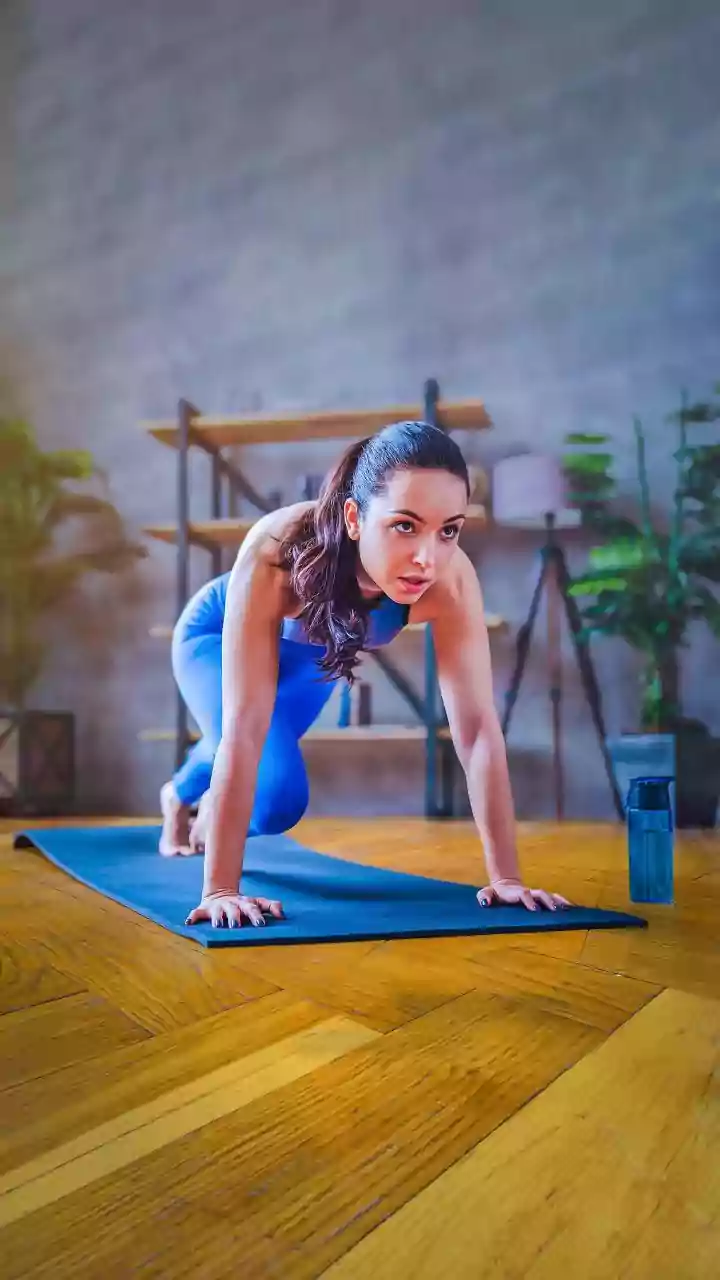
This gentle, flowing sequence is the perfect way to start any practice. It warms up the spine and improves its flexibility while also stretching the neck, shoulders, and torso. Begin on your hands and knees in a tabletop position, with your wrists directly under your shoulders and your knees under your hips. As you inhale (Cow Pose), drop your belly towards the mat, lift your chest and tailbone, and look forward. As you exhale (Cat Pose), round your spine toward the ceiling, tucking your chin to your chest and pressing the mat away. Flow between these two poses for 5 to 10 breath cycles. This movement is excellent for relieving tension in the back and promoting core awareness, setting the stage for deeper stretches.
2. Downward-Facing Dog (Adho Mukha Svanasana)
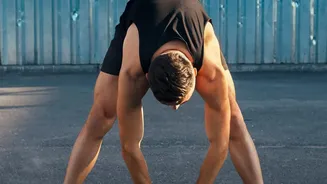
A foundational pose in most yoga styles, Downward-Facing Dog is a full-body stretch that targets some of the tightest areas for beginners: the hamstrings, calves, and shoulders. From your tabletop position, tuck your toes and lift your hips up and back, forming an inverted 'V' shape with your body. Keep your hands shoulder-width apart and your feet hip-width apart. In the beginning, it’s important to keep your knees generously bent to focus on lengthening your spine. Let your head hang heavy between your upper arms. You can 'pedal' your feet, bending one knee and then the other, to gently open up your hamstrings. Hold the pose for 5 to 8 deep breaths, feeling the stretch along the entire backside of your body.
3. Triangle Pose (Trikonasana)
Triangle Pose is a fantastic standing posture for improving side-body flexibility, opening the hips, and stretching the hamstrings and groin. Stand with your feet about three to four feet apart. Turn your right foot out 90 degrees and your left foot in slightly. Extend your arms parallel to the floor. Hinge at your right hip and reach forward, then bring your right hand down to your shin, ankle, or a block, while your left arm extends toward the ceiling. Gaze up at your left hand if it's comfortable for your neck. The key is to keep length in both sides of your torso, avoiding collapsing downwards. This pose energises the body while creating space in the hips and spine. Hold for 5 breaths and then repeat on the other side.
4. Bridge Pose (Setu Bandhasana)
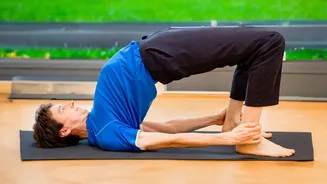
While excellent for strengthening the back and glutes, Bridge Pose is also a gentle backbend that effectively stretches the chest, neck, and front of the hips. Lie on your back with your knees bent and feet flat on the floor, hip-width apart. You should be able to just touch your heels with your fingertips. On an exhale, press your feet and arms into the floor and lift your hips toward the ceiling. Keep your thighs parallel and interlace your fingers underneath your body if possible, rolling your shoulders under to open the chest further. This pose counteracts the effects of sitting and slouching, improving posture and creating flexibility in the front of the body. Hold for 30 seconds before slowly rolling your spine back down to the mat.
5. Child's Pose (Balasana)
Child's Pose is a resting posture, but it is also a powerful tool for flexibility. It gently stretches the hips, thighs, and ankles while relieving back and neck pain. From a kneeling position, sit back on your heels. Hinge forward and drape your torso between your thighs, resting your forehead on the floor. Your arms can be stretched out in front of you or rested alongside your body with palms facing up. Focus on your breath, allowing it to expand your back and release your hips with every exhale. It’s the perfect pose to end your practice, as it calms the nervous system and provides a moment of quiet introspection. Stay here for as long as it feels good.