



A Taste of History
Parsi cuisine is a unique culinary tapestry woven from Persian roots and Indian influences. When Zoroastrians fled Persia and settled on the west coast of India around the 8th century, they brought their culinary traditions with them. Over centuries,
these traditions beautifully merged with local ingredients and techniques, particularly from Gujarat. The result is a cuisine known for its distinctive balance of sweet, sour, and spicy notes, often described as 'khatta meetha'. While famous for meat and egg dishes like Dhansak and Sali Boti, the Parsis' way with vegetables is equally remarkable, showcasing a love for complex flavours built from simple ingredients.
The Magic of Parsi Flavours
What makes a dish distinctly Parsi? It's the masterful balance of 'Tikhu-Khatu-Mithu' (Spicy-Sour-Sweet). This holy trinity of taste is achieved through a characteristic set of ingredients. Jaggery or sugar provides the sweetness, while vinegar or tamarind lends a tangy, sour kick. Spices like cinnamon, turmeric, cumin, and chillies bring the heat and aroma, creating a profile that is layered and deeply satisfying. In this jackfruit curry, these elements come together to create a rich, dark gravy that clings to every piece of the vegetable, making it anything but a simple weeknight sabzi.
Preparing the Jackfruit
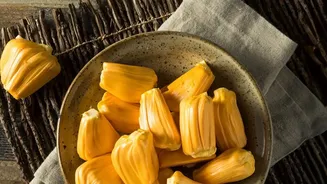
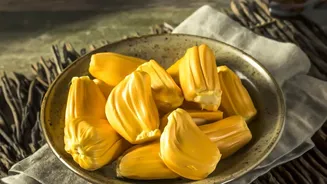
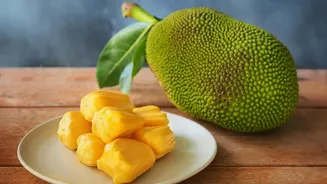
Working with raw jackfruit can seem intimidating due to its sticky sap. The key is preparation. Start by applying a generous amount of oil to your hands, your knife, and your cutting board to prevent the sap from sticking. It's often easiest to have your vegetable vendor peel and give you large chunks. If you're doing it yourself, cut the jackfruit into manageable rings or quarters, then carefully slice off the thick, thorny green skin. Chop the inner flesh into bite-sized cubes, discarding the hard central core. For this recipe, it's best to parboil or pressure cook the jackfruit pieces with a pinch of salt and turmeric until they are just tender, which helps them absorb the curry's flavours more readily.
Parsi Kathal Recipe
This recipe brings the authentic sweet and sour Parsi taste to your kitchen. Ingredients: - 500g raw jackfruit (kathal), cut into cubes and boiled - 2 large onions, finely sliced - 2 medium tomatoes, chopped - 1 tbsp ginger-garlic paste - 2 tbsp Parsi sambhar masala (or a mix of garam masala and coriander-cumin powder) - 1 tsp turmeric powder - 1 tsp Kashmiri red chilli powder - 2 tbsp jaggery, grated - 2 tbsp sugarcane vinegar (or apple cider vinegar) - Salt to taste - 3 tbsp oil - Fresh coriander for garnish Method: 1. Heat oil in a heavy-bottomed pan. Add the sliced onions and sauté on medium heat until they are soft and golden brown. This caramelization is key to the flavour. 2. Add the ginger-garlic paste and cook for a minute until the raw smell disappears. Then, add the chopped tomatoes and cook until they break down and become pulpy. 3. Lower the heat and add the turmeric, chilli powder, and Parsi sambhar masala. Stir for a minute, allowing the spices to become fragrant. 4. Add the parboiled jackfruit pieces to the pan, stirring gently to coat them evenly with the masala. Sauté for about 5 minutes. 5. Pour in about 1.5 cups of water, grated jaggery, and vinegar. Add salt to taste. Stir everything together well. 6. Cover the pan and let the curry simmer on low heat for 15-20 minutes, or until the gravy has thickened and the jackfruit is infused with all the flavours. 7. Garnish with fresh coriander leaves before serving.
How to Serve and Enjoy
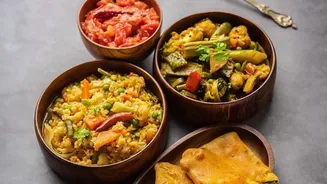
Parsi Kathal is traditionally served hot, and its robust gravy is perfect for mopping up with warm rotis or chapatis. It also pairs beautifully with plain steamed rice, allowing the complex flavours of the curry to shine. For a complete Parsi meal experience, serve it alongside a simple kachumber salad (diced onion, tomato, and cucumber) and a dollop of yogurt. The cooling elements provide a refreshing contrast to the rich, aromatic curry. Leftovers, if any, often taste even better the next day as the flavours continue to meld and deepen.