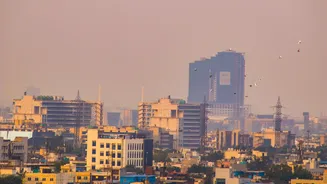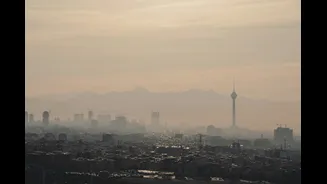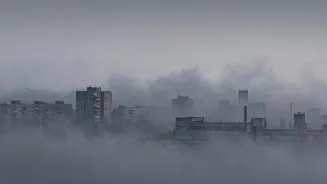







For many, Delhi's air pollution crisis is synonymous with the thick, grey smog that chokes the capital each winter. But focusing only on this seasonal spectacle dangerously masks a year-round problem with far more pervasive consequences.
The Year-Round Reality
While Delhi's
air quality typically hits hazardous levels between October and February, it remains far above safe limits for most of the year. Data shows that even outside the peak smog season, the Air Quality Index (AQI) frequently stays in the 'Poor' or 'Moderate' categories, which are still detrimental to health. The annual average concentration of PM2.5—tiny, harmful particles that can enter the bloodstream—is often many times higher than the World Health Organization's safety guidelines. This constant exposure is driven by a relentless combination of vehicular emissions, which account for a significant portion of pollution, along with industrial activity, construction dust, and waste burning. These factors ensure that even when the skies look clear, the air remains a persistent threat.
More Than Just A Cough
The health impacts of Delhi's toxic air go far beyond the widely reported respiratory issues like asthma and bronchitis. Medical research increasingly links long-term exposure to a frightening range of non-respiratory illnesses. Fine particulate matter is associated with an increased risk of heart attacks, strokes, and hypertension as these pollutants cause inflammation in blood vessels. The damage extends to the brain, with studies suggesting connections to cognitive decline, dementia, anxiety, and depression. Children are uniquely vulnerable; studies indicate that millions of children in Delhi may already have irreversible lung damage, and exposure can impair cognitive development. Other reported effects include headaches, fatigue, eye irritation, and skin rashes, demonstrating that the entire body is under assault.
The Hidden Economic Toll
The pervasive pollution casts a long shadow over Delhi's economy, imposing massive, often hidden, costs. One analysis estimated that air pollution cost Indian businesses $95 billion in a single year due to lower productivity, missed workdays, and reduced consumer footfall. In Delhi, the per-capita economic loss is among the highest in the country. The crisis disrupts multiple sectors. Businesses, particularly in retail and hospitality, report weaker sales during high-pollution periods as people stay indoors. Construction and freight activities are frequently halted by government-mandated bans, impacting the livelihoods of lakhs of workers. The aviation industry also suffers, with flight diversions due to poor visibility costing airlines crores. Furthermore, rising healthcare expenditures place a direct financial burden on households, turning a public health crisis into a personal economic one.
A Disrupted Way of Life
Beyond the quantifiable data on health and economics lies the profound disruption to daily life. For residents, the simple act of breathing becomes a source of chronic anxiety. Outdoor activities, especially for children, are severely curtailed, impacting their physical and social development. A survey found that a high percentage of children felt stressed, anxious, or irritable due to poor air quality, with many missing school because of pollution-related illnesses. The mental burden is significant, as families constantly monitor AQI levels, invest in expensive air purifiers, and weigh the longterm risks of living in the city. This constant environmental stress affects concentration, sleep quality, and overall wellbeing, diminishing the quality of life for millions and forcing some to consider leaving the city altogether.