


The Litter Box Battleground
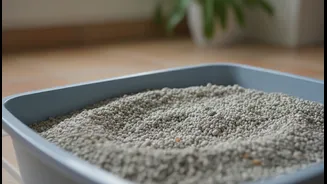
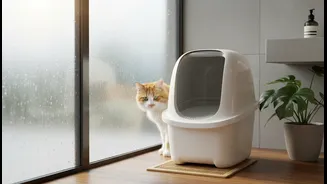
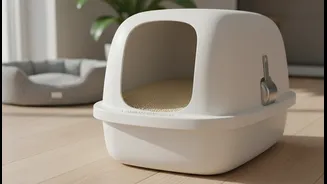
The headline says it all: monsoon pet care begins with dry litter, and for good reason. High humidity can turn a litter box into a soggy, smelly mess almost overnight. Damp litter not only fails to absorb waste effectively but also releases ammonia gas
more quickly, creating an odour that's unpleasant for you and downright offensive to your pet's sensitive nose. More importantly, a perpetually moist environment is a perfect breeding ground for bacteria and fungi, which can lead to urinary tract infections or skin issues if your pet comes into contact with it. For cats, this discomfort can lead to them avoiding the litter box altogether, resulting in accidents elsewhere in your home. The key is to combat moisture aggressively. Consider switching to a fast-clumping litter like tofu or wood-based options that perform better in humidity. Scooping waste twice daily is non-negotiable, and you may need to do a full litter change more frequently than in drier seasons. Placing the litter box in a well-ventilated area, away from damp walls or bathrooms, can also make a significant difference. Some owners even place a small dehumidifier in the room to help keep the area dry.
Beyond the Box: Paw and Fur Care
A dry litter box is the first line of defence, but hygiene doesn't stop there. Every time your pet steps outside, they bring the wet, muddy world back in on their paws. This isn't just a cleanliness issue; it's a health risk. The ground during the monsoon can be contaminated with bacteria and parasites, including the dangerous Leptospira bacteria, which causes leptospirosis. Make post-walk paw cleaning a non-negotiable ritual. Wipe paws thoroughly with a clean, dry towel. For muddy paws, a gentle rinse with lukewarm water is effective. Pay special attention to the areas between the toes, where moisture can get trapped and lead to fungal infections. Keeping the fur on their paws trimmed short can also help reduce the amount of mud and water they track in. Equally important is keeping your pet's coat dry. A perpetually damp coat can lead to painful skin infections, often called 'hot spots'. After any exposure to rain, towel-dry your pet thoroughly, paying extra attention to their underbelly and skin folds.
A Dry and Cozy Den
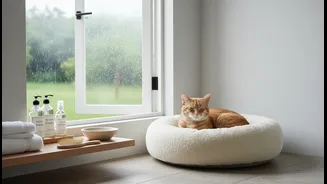
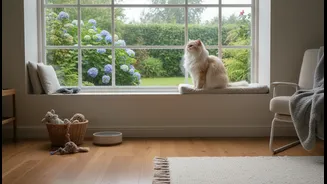
The fight against dampness extends to your pet's personal space. Their bedding is particularly vulnerable to becoming a haven for mildew and fungus in the humid monsoon air. This can lead to skin irritation and respiratory issues. To combat this, ensure their bedding is washed and, crucially, completely dried at least once a week. If you can, sun-dry it, as sunlight is a natural disinfectant. On cloudy days, a thorough machine dry will work. Elevating your pet’s bed off a cold, damp floor can also help improve air circulation and keep it from absorbing moisture from the ground. Maintaining good ventilation throughout your home will benefit both you and your pet by reducing overall indoor humidity.
Diet, Hydration, and Hidden Dangers
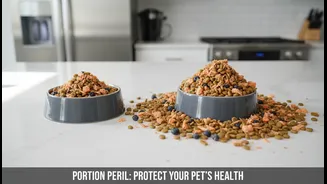
Monsoon weather can sometimes affect a pet's appetite and energy levels. More critically, the risk of water-borne diseases increases exponentially. Never let your pet drink from puddles or stagnant water sources, which can be teeming with harmful bacteria and parasites. Always provide fresh, clean, and preferably filtered or boiled drinking water. Food can also spoil much faster in high humidity, so it's best to avoid leaving wet or home-cooked food out for extended periods. Store dry kibble in airtight containers to prevent it from absorbing moisture and growing mould. This is also the peak season for parasites like ticks and fleas, which thrive in the warm, moist conditions. Speak to your veterinarian about an appropriate preventative treatment plan to protect your pet from these pests and the diseases they can carry.
Watching for Warning Signs
Despite your best efforts, the monsoon is a high-risk season for certain ailments. Stay vigilant for any changes in your pet’s behaviour or health. Common monsoon-related issues include skin infections (excessive scratching, redness, odour), gastrointestinal problems (vomiting, diarrhoea), and ear infections (head shaking, discharge). Persistent paw licking can be a sign of a fungal infection between the toes. If you notice any of these signs, especially if they persist for more than a day or two, it’s best to consult your veterinarian promptly. Early intervention can prevent a minor issue from becoming a major health problem, ensuring your pet remains a happy and healthy companion through the rainy season.