



An Emotional Connection to Comfort
The bond between monsoons and food in India is deeply emotional. The smell of wet earth, or petrichor, has a powerful link to memory, often transporting people back to childhood. For many, that memory is intertwined with the taste of a hot snack like
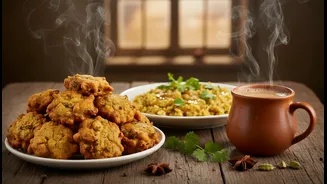
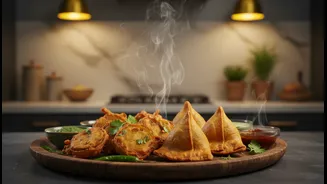
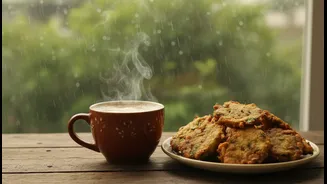
a samosa or bhutta (roasted corn on the cob) enjoyed while watching the rain. This nostalgic connection is a primary reason for the enduring love for these dishes. It’s less about the ingredients and more about the ritual—gathering with family for chai and freshly fried bhajiyas, a practice that connects generations. This shared experience turns a simple meal into a cherished tradition, making comfort food the edible love language of the season.
Beyond the Classic Fried Snacks
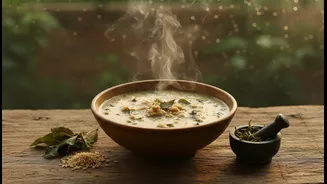
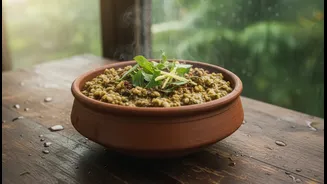
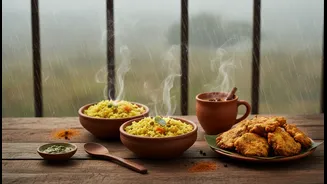
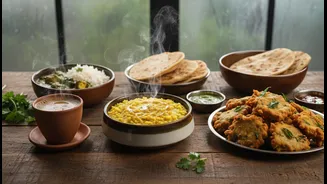
While pakoras, samosas, and bhajiyas are the undisputed stars, the world of regional monsoon cuisine is far richer. Many states have unique dishes perfectly suited for the season. In Maharashtra, kitchens prepare Pithla Bhakri and steamed Aluchi Vadi (colocasia leaf rolls). Kerala finds comfort in Parippu Vada (lentil fritters) and warm rice gruel known as kanji. Further east, West Bengal enjoys Khichuri with telebhaja (fried items), while Chhattisgarh offers Aamat, a hearty soup traditionally made with bamboo shoots. These dishes showcase a diverse culinary heritage, proving there's a specific comfort food for every kind of rainy day, from a light drizzle to a heavy downpour.
Wisdom of Traditional Wellness
Traditional monsoon recipes are not just about indulgence; they are rooted in the ancient wisdom of Ayurveda. The rainy season is considered a time when digestion is weaker and the body is more susceptible to illness. Accordingly, many recipes incorporate warming spices like ginger, black pepper, and turmeric, which are believed to boost immunity and aid digestion. Soups and broths, like the South Indian rasam, are celebrated for their healing properties. Even vegetables are chosen carefully; bitter gourd (karela) and water chestnuts (singhara) are popular for their health benefits during this season. This focus on light, warm, and easily digestible meals helps counteract the damp coolness of the weather.
A Fresh Twist in Modern Kitchens
The enduring appeal of these dishes is now being met with modern innovation. As health consciousness grows, home cooks and chefs are finding ways to make monsoon classics healthier without sacrificing flavour. Pakoras and vadas are no longer just deep-fried; they are being cooked in air fryers or baked. Chefs are reimagining staples like vada pav with sourdough buns or millet-based patties. There's also a rise in fusion creations, like vada pav sliders and corn on the cob seasoned with peri-peri instead of the traditional lemon and salt. Even sweets like the Rajasthani ghewar are now available in new avatars like chocolate and rabdi versions, showing how tradition can deliciously evolve.
The Rise of Steamed and Light Meals
Alongside the reinvention of fried snacks, there is a growing appreciation for lighter, steamed monsoon delicacies. Ayurveda has long advocated for such meals during the rains, a wisdom modern nutrition now echoes. Steamed dishes are easier on the digestive system, which is believed to be weaker during this season. Traditional steamed recipes like Mangalorean Pundi Gatti (rice dumplings), Gujarati Muthiya, and the universally loved idli are gaining prominence. These dishes retain nutrients and moisture, offering comfort without the heaviness of fried food, making them an ideal choice for mindful eating during the monsoon.