

From Inconvenience to Invitation
The traditional view of monsoon travel in India was one of muddy roads, delayed transport, and cancelled plans. The rainy season, from roughly June to September, was considered a period to endure, not embrace. Most travel plans were shelved until the
clear, crisp weather of autumn and winter. However, this perception is rapidly changing. A growing number of Indians are now seeing the monsoon not as an obstacle, but as the main attraction. Travel companies have reported a significant surge in monsoon-season bookings, with some noting increases of up to 25% or more compared to previous years, transforming a once-quiet quarter into a bustling travel period.
The Allure of a Greener World
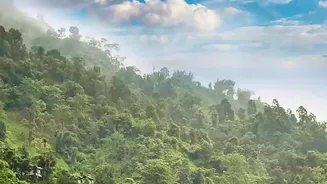
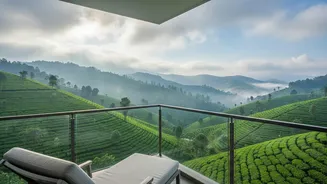
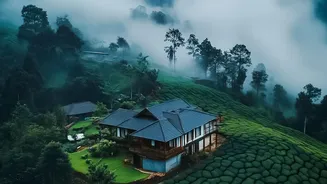
A primary driver of this trend is the dramatic transformation of the landscape. The first showers breathe life into parched lands, creating a world of impossible greens. Waterfalls that are mere trickles for most of the year become thunderous cascades, and entire valleys are carpeted in lush vegetation and mist. This provides a stunning visual feast and a refreshing escape from the oppressive heat of the preceding summer months. Destinations in the Western Ghats, like Coorg, Mahabaleshwar, and Lonavala, become particularly popular as they turn into green retreats with mist-covered valleys and full-flowing waterfalls. Similarly, places like Munnar in Kerala and Shillong in Meghalaya offer breathtakingly verdant landscapes that are at their absolute peak during the rains.
The Smart Economics of the Off-Season
Beyond the aesthetics, there's a powerful financial incentive. The monsoon is still considered a shoulder season in many parts of the country, which translates to significant savings. Travellers can find hotel rates slashed by 15-25%, and sometimes even up to 50% at luxury properties. Airfares also tend to be lower compared to the peak winter season. This affordability makes travel accessible to a wider audience, including budget-conscious young travellers and families. The promise of experiencing a five-star resort at a fraction of the peak-season cost is a compelling reason to pack a raincoat and go.
Seeking Solitude and Authentic Experiences
Peak tourist seasons often mean crowded viewpoints, long queues, and a constant hustle. Monsoon travel offers the opposite: a quieter, more peaceful experience. With fewer tourists, travellers can connect more deeply with a destination, enjoy attractions without the throngs of people, and have more meaningful interactions with locals. This trend also aligns with a broader shift towards experience-led travel, where people are choosing destinations based on interests like wellness, culture, and nature. Kerala, for example, has long promoted the monsoon as the ideal time for Ayurvedic treatments, as the humid air is believed to make the body more receptive to therapies.
Where the Rain Beckons
While the entire country is transformed, certain hotspots have emerged as favourites. Kerala's backwaters and tea plantations in Munnar are classic choices. Goa, often seen as a winter sun destination, reveals a different, quieter personality with lush paddy fields and roaring waterfalls. The hill stations of Maharashtra, including Lonavala and Mahabaleshwar, are weekend favourites for city dwellers from Mumbai and Pune. In the north, destinations like Udaipur in Rajasthan take on a romantic sheen, while mountain retreats in Himachal Pradesh and Uttarakhand offer misty, serene escapes. The Northeast, particularly states like Meghalaya and Arunachal Pradesh, is also seeing a surge in popularity for its dramatic landscapes and living root bridges.