


The Search for Deeper Connection
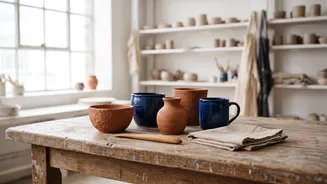
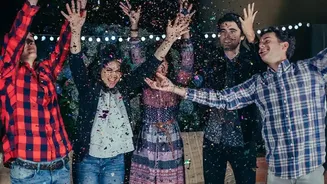
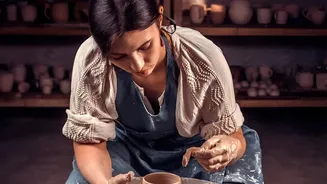
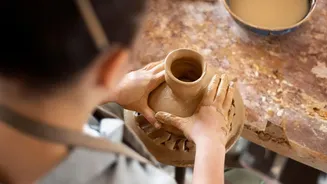
At its heart, the move toward experiential gifts is about a search for genuine human connection. Research consistently shows that experiences, especially those shared with others, strengthen social bonds more effectively than material objects. A pottery
workshop or a cooking class isn't just an activity; it's a dedicated space for interaction, laughter, and collaboration, away from the constant distraction of screens. In a world that often feels disconnected, the act of creating something together—whether it’s a lopsided pot or a delicious meal—builds lasting memories. Studies find that these shared moments generate stronger emotional responses, enhancing the relationship between the giver and receiver long after the experience is over.
A Pushback Against a World of Clutter
Many of us are looking at our homes and feeling overwhelmed. Closets are full, shelves are crowded, and the excitement of a new purchase often fades quickly. Psychologists call this 'hedonic adaptation'—the process by which we rapidly get used to new possessions, causing their emotional impact to diminish. Experiential gifts offer an elegant solution. They provide all the joy and thoughtfulness of a gift without adding to physical clutter. This aligns perfectly with a growing interest in minimalism and sustainability, where the focus is on living a fuller life with fewer things. Choosing an experience is a conscious decision to value memories over materials.
The Joy of Learning and Self-Discovery
Beyond just being fun, workshops and classes tap into a fundamental human desire for growth and competence. Learning to throw a pot on a wheel, master the art of sourdough, or craft the perfect cocktail provides a tangible sense of accomplishment. These aren't passive gifts; they are active, engaging, and often empower the recipient to discover a new hobby or passion. Many people hesitate to spend money on such activities for themselves, viewing them as indulgences. Receiving a class as a gift gives them the permission to invest in their own enjoyment and personal development, making it a deeply thoughtful gesture.
The Rise of the 'Experience Economy' in India
This trend is not just a passing fad; it's a significant economic shift. India's 'experience economy' is booming, projected to nearly double from approximately $32.2 billion in 2024 to $59.2 billion by 2030. This growth is driven by a young, digitally-savvy population with rising disposable incomes who increasingly prioritize spending on experiences like live events, travel, and unique activities. This has fueled a new wave of 'micro-entrepreneurs'—chefs, artists, and crafters turning their passions into workshop-based businesses across the country. From traditional block-printing in Jaipur to modern baking classes in Mumbai, these local artisans are now at the forefront of the gifting market.
Made for the Social Media Age
In today's world, the story behind a gift is as important as the gift itself. An experience provides a narrative that a sweater or a gadget rarely can. The anticipation leading up to the event, the activity itself, and the memories afterward are all shareable moments. Social media platforms like Instagram have amplified this, turning experiences into a form of social currency. A photo of a beautifully decorated cake from a baking class or a video of a successful pottery creation tells a more engaging story than a picture of a gift card. Research has found that a significant percentage of people delight in the social media-worthy memories that experiences create. This act of sharing not only validates the experience but also extends its enjoyment.