






The Power of Your Internal Clock
For years, the weight management mantra has been 'a calorie is a calorie'. While the total energy you consume certainly matters, a growing field of science called chrononutrition is revealing a more nuanced picture. This research explores how our bodies
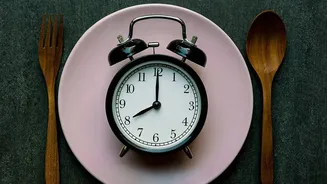
handle food differently depending on the time of day. The secret lies in our circadian rhythm, the roughly 24-hour internal clock that governs everything from our sleep-wake cycles to hormone release and, crucially, our metabolism. This internal clock means our digestive system and metabolic processes are primed for action during the day and prepared for rest and repair at night. Eating a large meal late in the evening is like asking your body's digestive team to work a double shift right when they are supposed to be clocking off.
Boosting Your Fat-Burning Engine
One of the most compelling reasons to finish your last meal earlier is its effect on fat metabolism. When you eat, your body's first priority is to use that incoming energy, primarily from carbohydrates. By eating dinner earlier, say at 6 p.m. instead of 9 p.m., you create a longer overnight fasting window. During this extended period without food, your body depletes its readily available glucose stores and is encouraged to switch its fuel source. It begins to tap into your stored fat for energy, a process known as fat oxidation. Studies have shown that late eating can lead to higher blood sugar levels and a slower breakdown of fat. Conversely, an earlier dinner seems to promote the opposite, improving 24-hour blood glucose levels and boosting fat metabolism the following day. It essentially gives your body a metabolic head start, aligning your eating patterns with the periods when it's most efficient at processing energy.
The Missing Link to Deeper Sleep
If you struggle with restless nights, your dinner time might be a surprising culprit. Eating close to bedtime can actively sabotage your sleep. The process of digestion requires significant energy, which can raise your core body temperature at a time when it should be dropping to signal sleep. Furthermore, late-night eating can delay the release of melatonin, the key hormone that governs sleepiness. Instead of winding down, your body is preoccupied with digesting food, which can delay sleep onset and lead to more fragmented rest throughout the night. Studies show consuming meals late at night can delay the onset of the deep sleep stage, which is critical for physical recovery and memory consolidation. By creating a two- to three-hour buffer between your last bite and bedtime, you allow your digestive system to do its work and settle down, paving the way for a smoother transition into restorative sleep.
How to Make the Shift
The idea of eating dinner by 6 p.m. might seem daunting, especially with demanding work schedules and family commitments. The key is to make a gradual transition. Start by moving your dinner time 15 or 30 minutes earlier each week. Ensure your earlier meals, particularly breakfast and lunch, are substantial and balanced with protein, healthy fats, and fibre to help manage evening hunger. If you find yourself hungry before bed, a small, light snack like a handful of nuts or a piece of fruit is a better option than a full meal. It's also helpful to get to bed on time; sometimes late-night hunger cues are actually your body's signal for rest. The goal is not rigid perfection but finding a sustainable rhythm that works for your life and helps you feel your best.