




The Familiar Playbook: Diaspora and Dilution
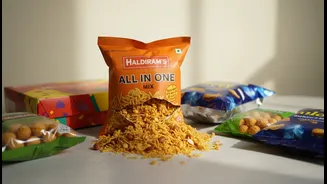
For decades, the global strategy for Indian consumer-packaged goods (CPG) was straightforward and risk-averse: follow the diaspora. Brands like Haldiram's, Bikaji, and MTR Foods built their international presence by catering to the cravings of non-resident
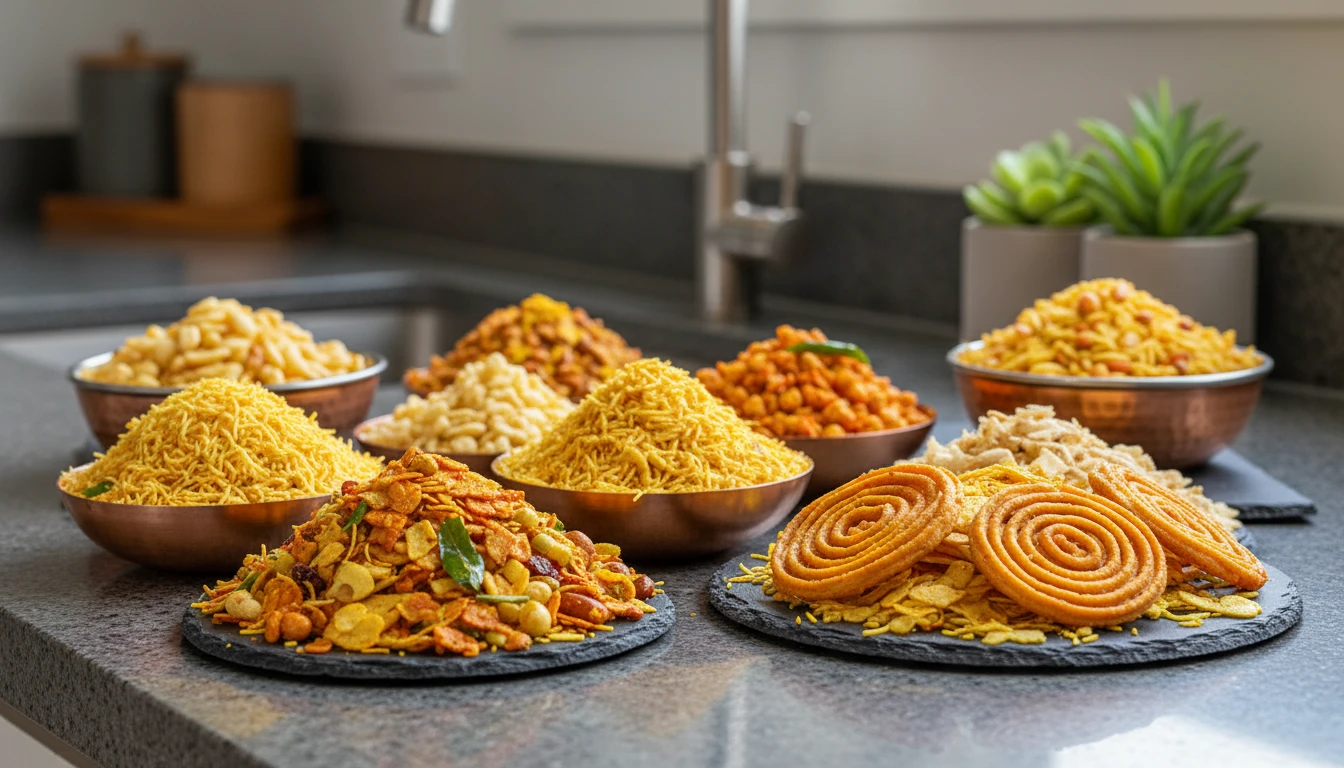
Indians (NRIs) for authentic, home-grown tastes. This was a logical and profitable first step, establishing a beachhead in markets from the US to the UK and the Middle East. The next move was adaptation—slightly tweaking spice levels or altering textures to appeal to a non-Indian palate. This created 'Indian-ish' products designed to be less intimidating. While both strategies have driven significant growth—Indian snack exports doubled from $0.54 billion in 2019 to $1.2 billion by 2024—they have inherent limits. The diaspora market, while substantial, is finite. And over-adapting risks diluting a brand’s unique identity, leaving it lost in a crowded global snack aisle without a clear story.
A Shift in Strategy: Moving to Mainstream
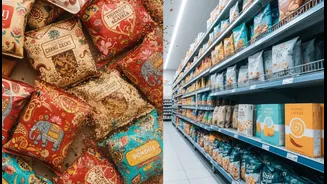
A new, more ambitious strategy is emerging. Instead of just exporting products, leading companies are now exporting experiences and building categories. The goal is no longer just to find a space in the ethnic food aisle but to become a mainstream grocery item. Recent moves underscore this shift. In early 2026, a major partnership was announced involving Haldiram's and distributors in Spain and Australia with the explicit goal of moving Indian snacks into mainstream European retail. This isn't about hiding Indian identity but confidently positioning it for everyday consumption. Similarly, Bikaji's recent $2.9 million investment to establish a manufacturing facility in the US is designed to accelerate growth beyond its core diaspora base by improving supply chains and customer access for the broader market. These companies are betting that the global consumer is ready for authentic Indian flavours, not a watered-down version.
The Real Opportunity: Creating New Rituals
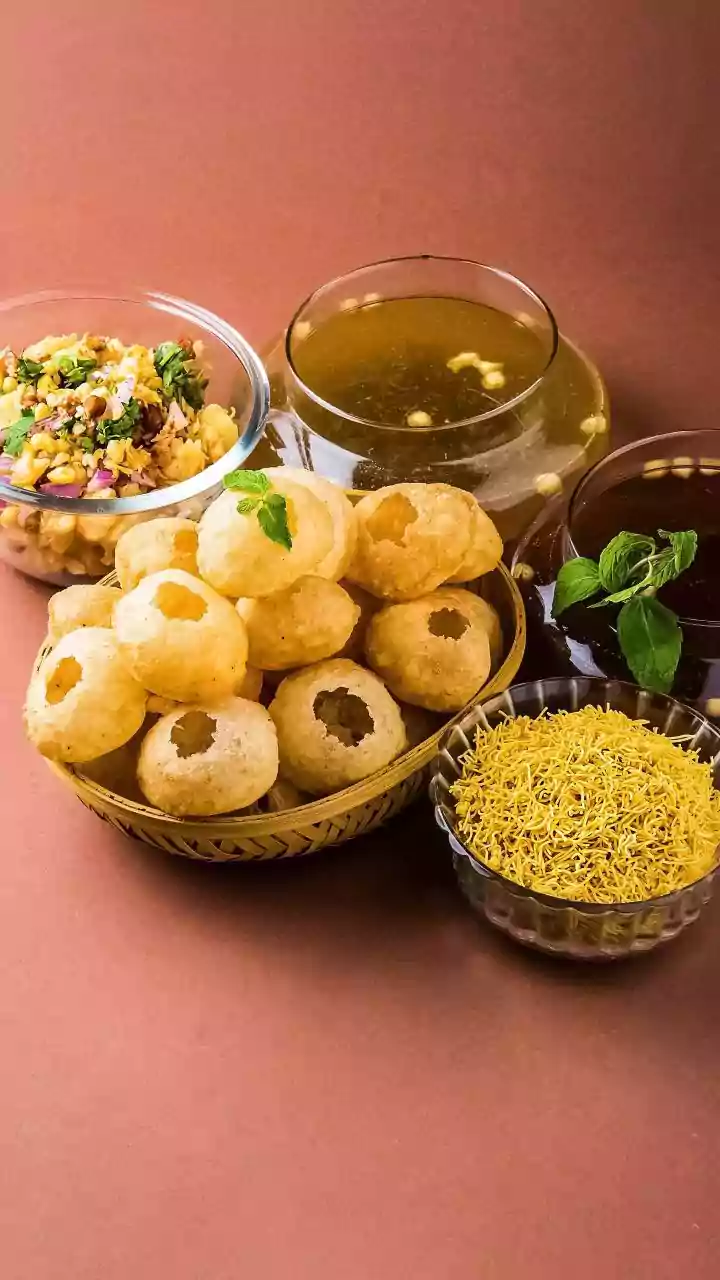
The most significant opportunity goes beyond simply placing products on a different shelf. It lies in creating new consumption occasions and rituals. Think of how Greek yogurt moved from a niche health product to a breakfast staple, or how hummus became a default dip for any social gathering. Indian snacks have the same potential. The key is to sell the 'how' and 'why' alongside the 'what'. For example, the opportunity isn't just to sell 'bhujia' as a savoury sprinkle, but to introduce the concept of 'chai-time snacking' to a global audience. It's about positioning frozen samosas and parathas not just as ethnic appetisers, but as convenient and flavourful solutions for entertaining, a model that has already proven successful in Australia. This narrative-driven approach educates consumers and embeds the product into their lifestyle, creating long-term demand that transcends novelty.
Lessons from Other Cuisines
Other global food trends provide a clear roadmap. Korean food brands didn't market gochujang as just another 'hot sauce'; they sold it as an essential, unique component of a vibrant culinary culture. Japanese brands successfully positioned mochi ice cream as a distinct dessert category in the freezer aisle. These successes were built on authenticity and education, not just adaptation. The global ethnic food market is projected to grow from around $99 billion in 2026 to over $179 billion by 2034, driven by consumer curiosity and a desire for authentic experiences. Indian brands are perfectly poised to capture a significant share of this growth if they focus on what makes their offerings unique. Newer D2C brands are already leaning into this by emphasising authentic ingredients and strong branding to appeal to both diaspora and non-Indian consumers.