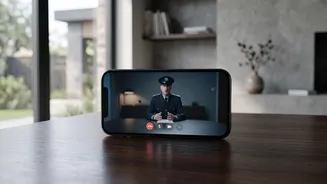







Imagine receiving a video call from a police officer accusing you of a serious crime. This is the reality of a frightening and increasingly common scam known as 'digital arrest', designed to create panic and extort money from unsuspecting citizens.
Anatomy of the Digital Arrest Scam
The
fraud unfolds in calculated stages, starting with a message or call on an app like WhatsApp. Scammers, posing as officials from the CBI, local police, or other agencies, inform you that your name, Aadhaar, or phone number has been linked to a crime, such as money laundering or an illegal parcel. They often possess some of your personal details to appear legitimate, increasing the initial shock. The situation quickly escalates to a video call, where the real manipulation begins. The goal is to isolate you, build pressure, and prevent you from thinking clearly or consulting others.
Theatrics of the Fake Interrogation
During the video call, fraudsters employ a range of theatrics to make the threat feel real. The person on screen may be wearing a police uniform, and their background might feature official-looking logos. They will speak with an authoritative tone, present forged documents like arrest warrants or FIRs, and insist you are under 'digital arrest'. This means you are forbidden from disconnecting the call or speaking to anyone, effectively creating a high-pressure virtual custody. In some extreme cases, victims have been coerced into performing humiliating acts, which are recorded for further blackmail.
Exploiting Fear and Authority
This scam is dangerously effective because it preys on fundamental human psychology: fear and respect for authority. The threat of being publicly named in a criminal case, coupled with the convincing performance of the scammers, causes victims to panic and bypass their rational judgment. Fraudsters create a sense of extreme urgency, claiming that immediate payment is the only way to 'settle' the matter or 'verify' your identity and clear your name. This psychological warfare is the core of the scam, often proving more potent than any sophisticated technology.
Critical Red Flags to Watch For
Genuine law enforcement agencies do not operate this way. There is no legal provision for a 'digital arrest' in India. Be immediately suspicious if anyone claiming to be an officer does the following: contacts you via WhatsApp for a serious investigation, threatens you with arrest over a video call, or demands money for any reason—be it a fee, a fine, or to 'clear' your record. Real police follow formal procedures, which involve official notices and inperson interactions, not demands for money over the phone. Refusal to let you verify their identity through an official police station is another major warning sign.
Your Action Plan for Protection
If you receive such a call, the most important first step is to stay calm. Do not panic and do not pay any money. Disconnect the call immediately, no matter what threats are made. Block the number and any associated accounts. Then, report the incident without delay. You can call the national cybercrime helpline at 1930 or file a formal complaint online at the National Cybercrime Reporting Portal (cybercrime.gov.in). Reporting quickly is crucial, as it can help authorities track the criminals and potentially freeze any transferred funds.