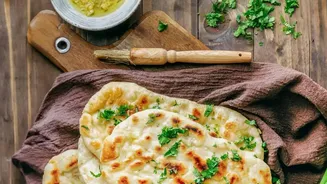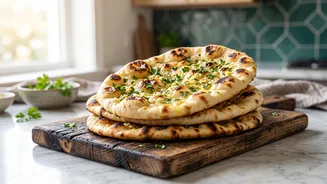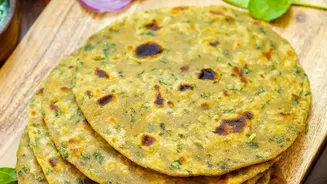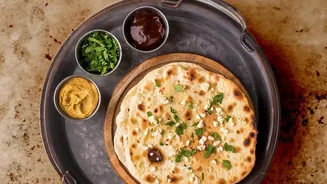



The Tandoor Taste, Recreated at Home
The magic of many restaurant breads lies in the intense, smoky heat of a traditional clay tandoor. For years, replicating this at home seemed impossible. However, home cooks have discovered ingenious ways to mimic the tandoor's effect. The most popular
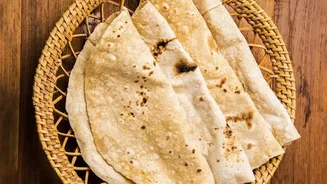
method involves a simple stovetop tawa or a heavy cast-iron skillet. By heating the pan until it's extremely hot, the dough blisters and cooks rapidly, creating those signature charred spots. For an even closer approximation, some cooks flip the iron tawa directly over a gas flame for a few seconds, charring the top of the bread just like a tandoor would. Another popular technique involves preheating a pizza stone or an inverted baking sheet in the oven to its highest temperature, providing the scorching surface needed for a quick, puffy rise.
It’s All in the Dough
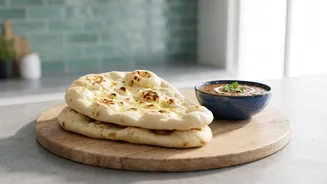
The secret to that pillowy, soft texture of a perfect naan or kulcha lies in the ingredients. While basic roti uses whole wheat flour (atta), water, and salt, restaurant-style breads often involve a richer dough. All-purpose flour (maida) is frequently used for its ability to create a chewier, more elastic texture. The addition of leavening agents like yeast, baking powder, or baking soda is crucial for the fluffiness. Perhaps the most important ingredient is yogurt (curd), which serves multiple purposes: it tenderises the dough, adds a subtle tangy flavour, and works with the leavening agents to create an incredibly soft crumb. Kneading the dough until it is smooth and elastic is also vital, as this develops the gluten structure necessary for that perfect chew.
The Right Tools for the Job
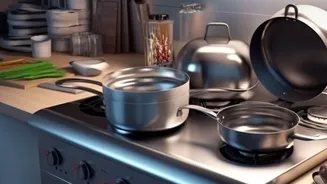
While you don't need a professional kitchen setup, having a few key tools can make a significant difference. A heavy iron tawa is considered essential by many chefs for achieving the right heat distribution and for safely using the inverted flame technique. A good rolling pin and a clean work surface are, of course, basics. Beyond that, the rise of home baking has made other tools more common. For instance, stand mixers with dough hooks can take the effort out of kneading, producing a perfectly smooth dough every time. The increased availability of good quality cast-iron skillets and pizza stones also plays a role, giving home cooks more options to achieve high-heat cooking.
Mastering Key Techniques
Beyond tools and ingredients, a few techniques separate amateur attempts from professional results. First, allowing the dough to rest is non-negotiable. For yeasted doughs, this allows them to rise and develop flavour, a process that can take one to two hours. Even for doughs without yeast, a short rest of 20-30 minutes allows the gluten to relax, making the bread softer and easier to roll. When cooking, getting the pan very hot before the first roti or naan goes on is critical; a pan that isn't hot enough will result in hard, dry bread. Finally, brushing the finished bread with melted butter or ghee immediately after cooking not only adds flavour but also helps to keep it soft and moist until serving.
When Convenience is Key
The desire for authentic Indian breads at home has also fuelled a boom in the ready-to-cook market. For those short on time, brands like iD Fresh, Aashirvaad, and The Baker's Dozen now offer a wide range of products from par-cooked chapatis and Malabar parottas to kulcha and naan doughs. These products bridge the gap between a fully from-scratch effort and a restaurant meal. The quality of these convenience products has improved significantly, with many brands focusing on whole wheat options and avoiding preservatives to appeal to health-conscious consumers. This trend reflects a broader shift in the Indian bakery market, where consumers are seeking both convenience and quality, leading to more innovation in the ready-to-eat aisle.