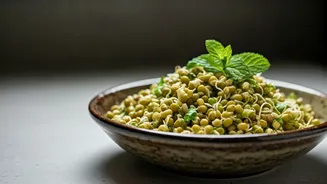








A Perfect Match for the Monsoon
The rainy season, while beautiful, is a time when our digestive systems can become sluggish and our immunity is often challenged. Ayurvedic wisdom and modern nutrition agree on the importance of eating light, easily digestible foods during this time.
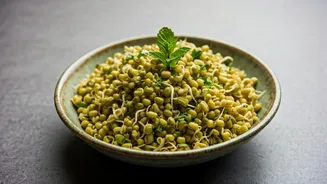
Fried, heavy snacks can tax the system, while raw foods carry a higher risk of contamination due to increased moisture in the environment. Sprouted green moong salad, especially with lightly steamed sprouts, strikes the perfect balance. It is light on the stomach, packed with immunity-boosting nutrients like Vitamin C, and incredibly satisfying. The process of sprouting also reduces anti-nutrients, making the moong beans easier to digest and minimising issues like bloating.
The Nutritional Power of Sprouts
Green moong, or mung beans, are already a nutritional powerhouse, but sprouting unlocks a new level of benefits. The germination process significantly increases the content of vitamins, particularly vitamins C and K. Sprouting also boosts the bioavailability of minerals like iron and magnesium. Furthermore, it activates enzymes that aid digestion, making it a gut-friendly choice. Rich in antioxidants, sprouts help the body fight off free radicals and reduce inflammation, which is crucial for staying healthy during a season known for colds and infections.
Your High-Protein Lunch Solution
For vegetarians and those looking to increase their protein intake, sprouted moong is an excellent option. While the protein count per 100 grams is around 3-7 grams, what's crucial is its bioavailability. The sprouting process breaks down complex proteins into more easily absorbable amino acids. This means your body can make better use of the protein it contains. Protein is essential for muscle repair, satiety (keeping you full longer), and maintaining a healthy metabolism, making this salad a fantastic choice for a fulfilling and guilt-free lunch that aids in weight management.
How to Sprout Moong Beans at Home
Making your own sprouts is easy, cost-effective, and ensures they are fresh and hygienic. Follow these simple steps: 1. Wash and Soak: Start with good quality whole green moong beans. Rinse them thoroughly and soak them in a large bowl of clean water for at least 8-12 hours, or overnight. 2. Drain and Rest: After soaking, drain all the water completely. Place the soaked beans in a sieve, a muslin cloth, or a sprouting jar. Cover them and leave them in a warm, dark place on your kitchen counter. 3. Rinse and Repeat: Rinse the beans with fresh water and drain them well every 8-12 hours. This keeps them moist and prevents them from spoiling. 4. Harvest: Within 24 to 48 hours, you will see small white tails emerge from the beans. Once the tails are about half an inch long, your sprouts are ready to use. For safety during the monsoon, it's best to use them quickly or lightly steam them before eating.
The Ultimate Monsoon Salad Recipe
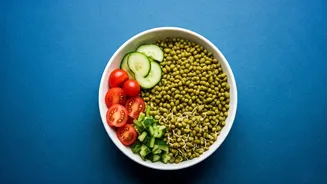
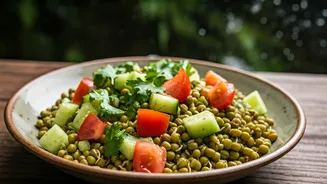
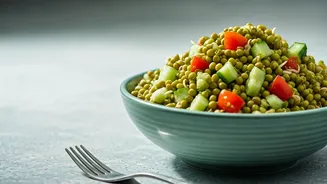
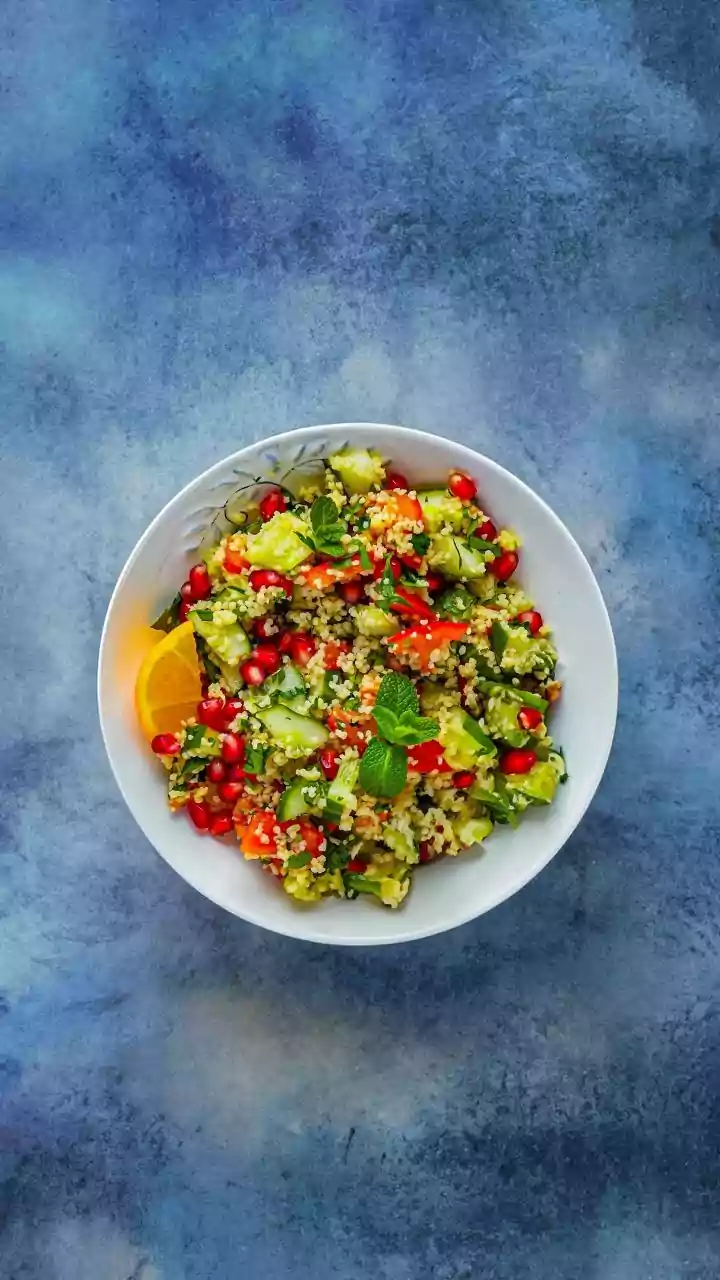
This recipe is versatile and can be adapted to your taste. The combination of fresh vegetables and tangy spices makes it irresistible. Ingredients: 2 cups of sprouted green moong (preferably lightly steamed for 2-3 minutes) 1 small onion, finely chopped 1 small tomato, deseeded and chopped 1 small cucumber, finely chopped 1/2 carrot, grated (optional) 1-2 green chilies, finely chopped (adjust to your spice level) A handful of fresh coriander, chopped Juice of 1 lemon 1 teaspoon chaat masala 1/2 teaspoon roasted cumin powder Black salt (kala namak) to taste Roasted peanuts or pomegranate seeds for garnish (optional) Instructions: In a large bowl, combine the lightly steamed sprouts, chopped onion, tomato, cucumber, and green chilies. Add the black salt, chaat masala, and roasted cumin powder. Squeeze the fresh lemon juice over the mixture and toss everything together until well combined. Garnish with fresh coriander and a sprinkle of roasted peanuts or pomegranate seeds for extra crunch and flavour. Serve immediately.