





The Myth of a Ruined Day
Let’s be honest. Your first instinct upon hearing rain on the roof of your resort cabin is probably disappointment. The day’s big adventure, the thrilling zipline tour you’d been looking forward to, seems destined to be a washout. We’ve been conditioned
to associate rain with indoor activities and cancelled fun. But here’s the counterintuitive truth: while rain might ruin a picnic or a day at the beach, it transforms ziplining from a simple thrill ride into a multisensory jungle epic. Professional zipline operators, especially in tropical or monsoon-heavy regions like Coorg, Rishikesh, or the hills of Meghalaya, don’t shut down for a bit of rain. In fact, many guides will tell you it’s their favourite time to fly. The equipment is built to withstand the elements, and safety protocols are designed for all weather conditions. The only thing that needs to change is your mindset. Instead of seeing the rain as an obstacle, it’s time to see it as an upgrade to your adventure.
A Full-Body Sensory Experience
Ziplining on a clear, sunny day is about speed and views. Ziplining in the rain is about everything else. Your senses, often dulled in our day-to-day lives, are suddenly kicked into overdrive. First, the sound. The whir of the pulley on the cable is joined by a thousand tiny drums as raindrops hit your helmet, the leaves, and the forest floor. It’s a percussive, immersive soundtrack that no playlist can replicate. Then comes the smell. The rain releases that incredible, earthy fragrance of wet soil and foliage known as petrichor. As you soar through the canopy, you’re not just looking at the forest; you’re inhaling its very essence. You can feel the cool mist on your face, a refreshing counterpoint to the adrenaline coursing through your veins. It’s a raw, elemental feeling—a connection to nature that feels far more profound than just gliding over it on a sunny afternoon.
A World Washed Anew
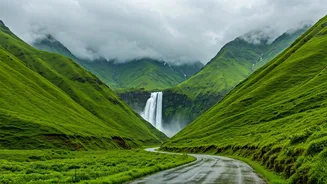
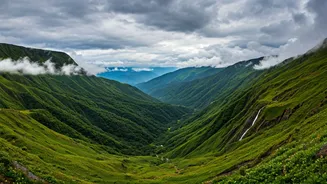
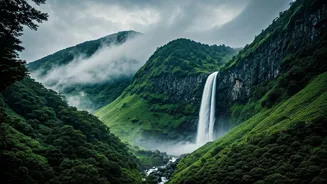
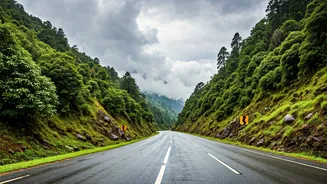
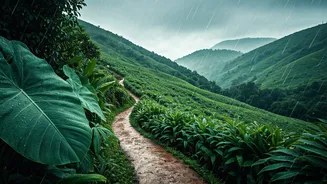
Visually, the rain acts like a natural saturation filter. The greens of the leaves become deeper and more vibrant. The bark of the trees darkens, highlighting textures you wouldn't otherwise notice. A fine mist often hangs in the air, shrouding the landscape in an ethereal, almost mystical quality. Zipping into a cloud of fog and emerging on the other side is a genuinely magical experience. Waterfalls, which might be a trickle in the dry season, become roaring torrents. The whole landscape feels more alive, dynamic, and powerful. You aren't just an observer passing through a static scene; you're flying through a world that is actively changing and breathing around you. The photos might be a bit moody, but the memories will be crystal clear.
Fewer Crowds, More Adventure
One of the most practical and underrated benefits of embracing a rainy-day zip is the lack of crowds. While others are cancelling their bookings and huddling indoors, you and a few other intrepid souls will have the course practically to yourselves. This means no long queues at the platforms, no feeling rushed by the group behind you, and more quality time with your guides. This smaller group size often leads to a more personalised and relaxed experience. Guides have more time to share stories, point out interesting flora and fauna, and ensure everyone is comfortable. You get the A-list version of the tour simply because the weather filtered out the less committed. It feels less like a commercial tourist activity and more like a private expedition.
Practicalities and Safety
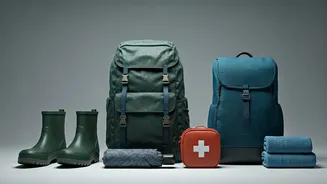
Of course, the primary concern is safety. Reputable zipline companies have strict protocols. They will cancel tours during thunderstorms or high winds, but light to moderate rain is generally not a safety issue. The equipment is designed to be water-resistant, and guides are trained to handle wet conditions, including potentially slick platforms. Your comfort is the other piece of the puzzle. The key is dressing appropriately. A lightweight waterproof jacket is essential. Avoid heavy cotton, which absorbs water and makes you cold. Quick-drying synthetic fabrics are your best friend. Most operators will provide essential gear like helmets and harnesses, and some may even offer rain ponchos. As long as you’re dressed for it, the feeling is one of refreshing coolness, not miserable cold.