


Understanding the Mid-August Squeeze
The final leg of your journey—that short trip from the metro station to your office or from the bus stop to your home—is known as last-mile transport. And it's here that commuters are facing a significant cost increase. In cities like Pune, for example,
proposals are on the table to raise auto-rickshaw fares starting from August. A potential hike could see the minimum fare jump from ₹25 to ₹30, a 20% increase, with the per-kilometre cost also rising. This isn't an isolated event but part of a broader trend affecting urban mobility across India. For millions of daily commuters and travellers, this seemingly small change adds up, putting a fresh strain on monthly budgets and making everyday travel a more calculated expense.
The Reasons Behind the Rise
So, why the sudden spike? The primary driver for the hike in traditional transport like auto-rickshaws is the rising cost of fuel. Auto unions have consistently pointed to sharp increases in Compressed Natural Gas (CNG) prices, which directly impact their daily earnings. Without a fare revision, drivers argue that it becomes difficult to sustain their livelihood. These fare hikes aren't arbitrary; they are typically reviewed and approved by a city's Regional Transport Authority (RTA), which considers factors like fuel prices, vehicle maintenance costs, and inflation. This process ensures that fare revisions, while often unwelcome, are a response to tangible economic pressures faced by transport operators. The situation in Pune mirrors similar hikes seen in other cities like Bengaluru in the recent past, where authorities approved fare increases to balance the needs of drivers and commuters.
What About App-Based Cabs?
While auto-rickshaw fares are regulated by local RTAs, ride-hailing services like Ola and Uber operate on a different model called dynamic pricing. Their prices fluctuate based on real-time demand and supply. Recent government guidelines have given these platforms more flexibility. Cab aggregators are now permitted to charge a 'surge price' of up to two times the base fare during peak hours, an increase from the previous cap of 1.5 times. This means that during rush hour, periods of heavy rain, or when major events are taking place, the cost of your app-booked ride can legally double. This framework aims to encourage more drivers to be available during high-demand periods, but for travellers, it means that timing your ride is more critical than ever to avoid a hefty bill. While some states like Maharashtra are now implementing stricter rules to cap this surge, the national trend gives aggregators significant pricing power.
Smart Strategies to Soften the Blow
While rising fares are inevitable, you don't have to be a passive victim of the price hikes. A few smart adjustments to your travel routine can make a big difference. First, don't rely on a single app; compare prices between Ola, Uber, and any local ride-hailing services before you book. Second, embrace multimodal transport. Use cost-effective public transport like the metro or city buses for the majority of your journey and reserve autos or cabs only for the crucial first or last mile. Third, try to travel during off-peak hours whenever possible to avoid surge pricing on apps. A little flexibility in your schedule can lead to significant savings. Finally, for shorter distances of one or two kilometres, consider walking. It's not only free but also a great way to stay active.
The Bigger Picture for Urban Mobility
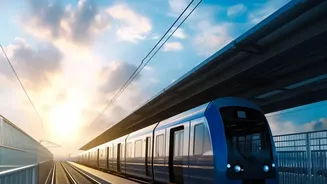
These rising costs highlight a larger challenge for India's rapidly growing cities. As urban populations swell, the demand for efficient, affordable, and reliable transport is exploding. The fare hikes are a symptom of a system trying to cope with rising operational costs and high demand. In the long run, the solution lies in strengthening public transport infrastructure. More metro lines, better bus connectivity, and safe pedestrian pathways reduce dependency on private vehicles and last-mile services. While individual travellers can adapt with smart planning, the ultimate responsibility lies with city planners to build a more integrated and sustainable urban transport network that serves everyone, without breaking the bank.