

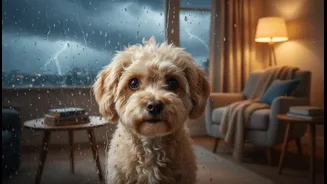



Understanding Canine Noise Anxiety
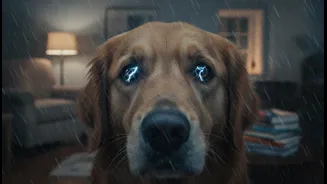
Noise anxiety, also called noise phobia, is an intense, panicked reaction to sounds that a dog perceives as threatening. It affects up to 50% of dogs and can be triggered by predictable events like festival fireworks and monsoon thunderstorms, or everyday
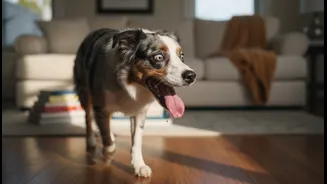
sounds like a vacuum cleaner or construction. Symptoms aren't just hiding; they can include trembling, excessive panting, drooling, pacing, destructive behaviour, and even trying to escape. This is not bad behaviour—it's a genuine panic attack. Left unaddressed, these fears often worsen over time, with a fear of one sound generalising to others.
The Golden Window: A Puppy's Socialization Period
The secret to prevention lies in a puppy's 'critical socialization period,' a crucial developmental window between 3 and 16 weeks of age. During this time, their brains are incredibly receptive, like little sponges soaking up information about the world. Experiences they have now, both good and bad, will shape their adult personality and their perception of what is safe versus what is scary. A puppy that isn't exposed to a variety of sights, smells, and sounds in a positive way during this period is more likely to grow into a fearful or anxious adult.
How Positive Exposure Builds a Confident Brain
So, how does this prevent noise anxiety? By deliberately and gently exposing a young puppy to different sounds, you teach their developing brain that these noises are a normal part of life and not a threat. This process is called habituation. When a strange sound is paired with something wonderful, like a high-value treat or a fun game, it does something even more powerful: it builds a positive association. Instead of thinking 'that loud noise is scary,' the puppy learns to think 'that loud noise predicts a tasty snack!' This acts as a powerful behavioural vaccine against future fear.
Practical Steps for Sound Socialization
Socializing a puppy to noise doesn't mean taking them to a loud concert. The key is to start small and keep it positive. Use recordings of sounds like thunder, traffic, or fireworks at a very low volume—so low your puppy barely notices. While the sound plays for just a few seconds, give them a favourite treat. Stop the sound, and the treats stop. Over many short sessions, you can gradually increase the volume, as long as your puppy remains relaxed and happy. If they ever show signs of stress, you've gone too fast. Simply lower the volume back to a comfortable level. The goal is always to keep them feeling safe. For unexpected real-world noises, like a car backfiring on a walk, cheerfully give your pup a treat to build that positive association on the fly.
What If My Dog Is Already Afraid?
If you have an adult dog who already suffers from noise anxiety, don't despair. While the early socialization window is closed, you can still help manage their fear. Create a 'safe haven' in your home—an interior room or a covered crate where they can go to feel secure during a noisy event. Using a fan or white noise machine can help muffle outside sounds. For predictable events like Diwali, calming aids like compression shirts can help some dogs. However, for moderate to severe anxiety, the most important step is to consult your veterinarian. They can rule out any medical issues and discuss behaviour modification strategies, which may include working with a certified professional or prescribing anti-anxiety medication to help your dog cope.