


The Promise of a Partnership
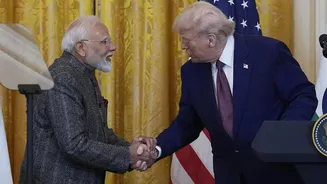
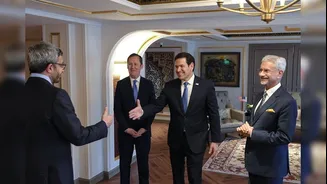
For years, negotiators from New Delhi and Washington have been working towards a significant trade pact. The goal is to smooth out economic ties, reduce tariffs, and boost market access for goods in both countries. Recent diplomatic visits have been filled
with optimistic statements, with US officials noting that a deal is 'incredibly close' and only 'technical details' remain to be finalised. In February 2026, a framework was announced that would see the US reduce its high tariffs on Indian goods in exchange for India opening its markets to a range of American products. The potential benefits are huge, promising to strengthen a crucial strategic partnership. But the devil is in the details, and two sectors have become symbolic of the deep-seated challenges in bridging the economic and cultural divides between the two nations.
The Dairy Dilemma
On the surface, the US, a major dairy exporter, wants access to India’s massive market, which is the world's largest producer and consumer of milk. However, this issue is far more complex than simple economics. For India, protecting its dairy industry means safeguarding the livelihoods of over 80 million rural households, many of them small and landless farmers, who depend on dairy for their income. Farmer organisations have warned of strong resistance, fearing that an influx of cheaper US dairy products could crash domestic prices and destabilise their fragile economic existence. Currently, India shields this vulnerable sector with import tariffs ranging from 30% to 60%.
A Cultural and Religious Red Line
Beyond the economic argument is a profound cultural and religious barrier. A significant point of contention is the American practice of using animal-derived supplements, including blood meal and meat meal, in cattle feed. In India, where the cow is considered sacred by a large portion of the population, milk from such cattle is widely viewed as 'non-vegetarian' and unacceptable for consumption, especially in religious rituals. India has insisted on strict certification to ensure that any imported dairy products come from cows that have not been fed these animal-derived supplements. The US has viewed these certification demands as an unnecessary trade barrier, leading to a stalemate that touches upon deeply held beliefs and national identity.
The Steel and Aluminium Standoff
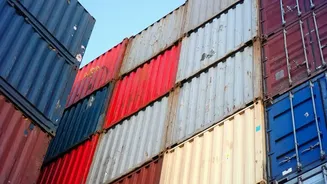
The dispute over metals is rooted in a cycle of tariffs and retaliations. The US, under its Section 232 national security provisions, imposed heavy tariffs on steel and aluminium imports, affecting Indian producers. In response, India implemented its own retaliatory tariffs on a list of 29 US goods, including agricultural products like almonds and apples. This tit-for-tat trade friction has complicated the broader negotiations. While the framework announced in February 2026 suggested a potential removal of US tariffs on Indian steel and aluminium, the implementation remains tied to the finalisation of the larger deal. For the US, the tariffs were designed to protect its domestic steel industry, a goal it argues has spurred new investments. For India, these duties represent a significant barrier for one of its key export sectors.
Finding a Path Forward
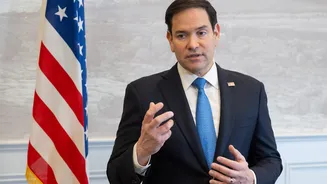
Breaking the impasse requires more than just economic calculation; it demands significant political will. While recent statements from both President Trump and Secretary of State Marco Rubio suggest a deal could be signed in 'weeks, not months', these final hurdles are proving to be the hardest to clear. The dairy issue requires a solution that respects India's cultural sensitivities and protects millions of small farmers, while still offering some form of market access to the US. For steel, the resolution is tied to the complex web of reciprocal tariffs and the broader US policy on trade protectionism. Negotiators are likely exploring creative solutions, such as phased market entry for dairy or specific quotas and stricter 'rules of origin' to ensure that the benefits of any agreement are not exploited by third countries.