





That 20-litre water can delivered to your door seems like a convenient, safe choice for your family’s drinking water. But how much do you really know about what’s inside? The journey of that water is often a mystery, unlike its sealed counterpart.
What is Water Traceability?
Traceability
is the ability to track a product through all stages of production, processing, and distribution. For packaged water, this means knowing where the water was sourced, how it was purified, and when it was bottled. Legitimate, sealed bottles carry a batch number, manufacturing date, and a license number. This information allows regulators and companies to quickly identify and recall a specific batch if a quality issue is discovered. This system provides a clear chain of accountability from the factory to the consumer, which is a cornerstone of modern food safety.
The Sealed Bottle Advantage
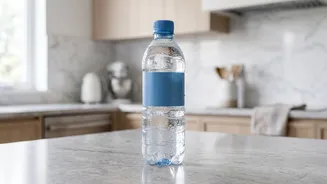
Sealed and branded water bottles operate within a structured regulatory framework. In India, manufacturers of packaged drinking water must comply with standards set by the Food Safety and Standards Authority of India (FSSAI). Until late 2024, a license from the Bureau of Indian Standards (BIS) was also mandatory. Though no longer compulsory nationally, many brands continue to adhere to BIS standards (like IS 14543) and display the ISI mark. These regulations require rigorous testing, hygienic processing, and proper labelling. The FSSAI license number (a 14-digit code) and batch number printed on the bottle link it to a specific plant and production run, ensuring that if any contamination is found, the source can be pinpointed. This system, while not infallible, creates a powerful mechanism for quality control.
The Murky World of Refilled Cans
The 20-litre reusable water can market is a different story altogether. A significant portion of this industry is informal and unregulated. Many suppliers simply refill empty cans, often bearing the labels of established brands, from unverified sources. These sources can range from municipal taps to unauthorised borewells, with no guarantee of proper filtration or purification. Once a can's original seal is broken, any branding on it becomes meaningless. There is no way to know who refilled it, where the water came from, or when it was filled. This complete lack of traceability means there is no accountability if the water is contaminated.
Hidden Health and Safety Risks
The absence of regulation and traceability in the unsealed can market leads to significant health risks. Water from unverified sources can contain harmful bacteria, viruses, and chemical pollutants. Furthermore, the cans themselves pose a danger. They are often not cleaned and disinfected properly between uses, leading to bacterial growth. Many cans in circulation are old, damaged, or made from non-food-grade plastic, which can leach harmful chemicals like BPA and phthalates into the water, especially when exposed to heat or sunlight. Studies have also raised concerns about microplastic contamination from both single-use bottles and reused cans. Without traceability, if a person falls ill from contaminated water, it is nearly impossible to identify the responsible supplier.
How to Protect Your Family
As a consumer, being vigilant is your best defence. When buying single-use bottles, always check that the seal is intact and the packaging is not damaged. Look for the FSSAI license number and a clear manufacturing date and batch number. Be wary of lookalike brand names that mimic popular ones, a common tactic to sell counterfeit water. For 20-litre cans, insist on suppliers who can provide their FSSAI license number and details about their purification plant. If a can arrives unsealed, it should be rejected. An unusually low price is often a red flag for unregulated water. For guaranteed safety at home, investing in a quality water purifier remains a reliable alternative to navigating the uncertainties of the packaged water market.