


The End of the Whistle-Stop Tour?
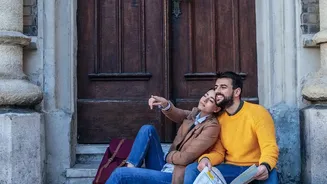
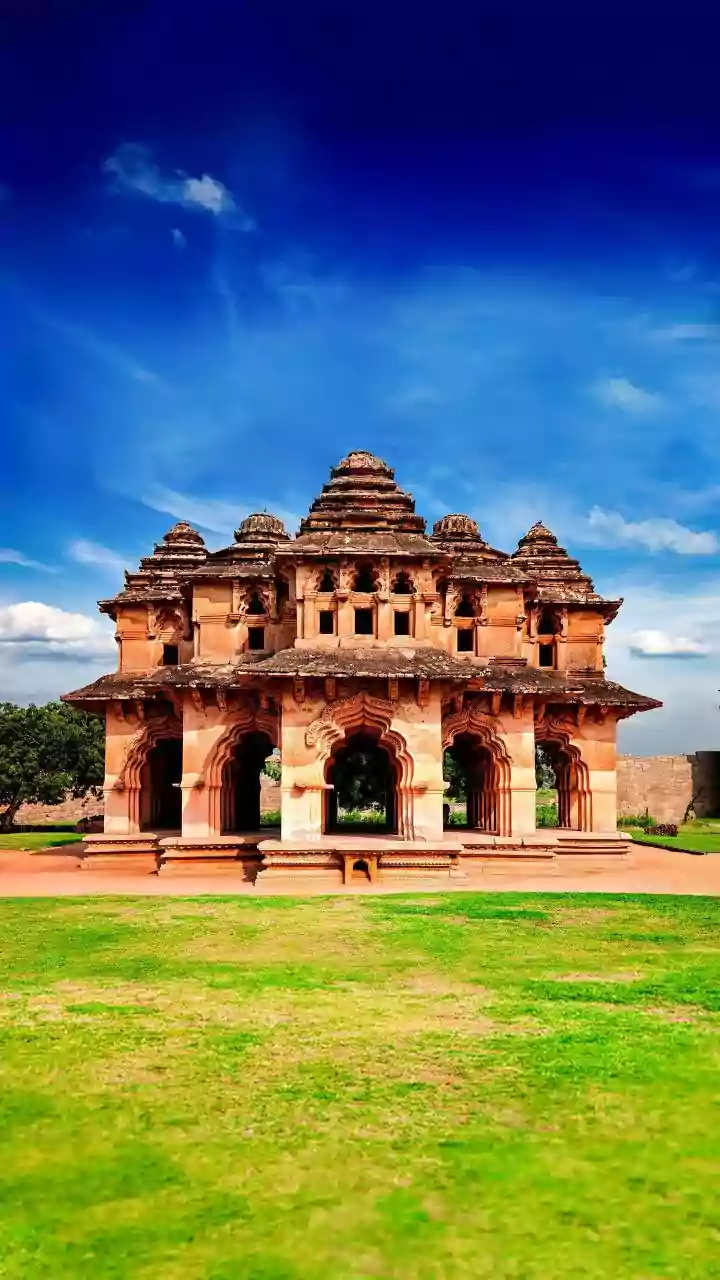
For decades, a successful holiday was often measured by the number of landmarks ticked off a list. It was a whirlwind of sightseeing, snapping photos at every major monument, and rushing to the next spot. This is 'checklist tourism'—a style of travel
focused on covering as much ground as possible. But reports from across the travel industry suggest this model is losing its appeal for Gen Z and millennial Indians. Instead of collecting sights, they are now focused on collecting experiences. Recent reports from 2026 indicate a clear move away from packed itineraries, with many young travellers now prioritising meaningful moments over famous attractions.
What is a Culture-First Holiday?
A culture-first holiday puts authentic connection at its centre. It's the difference between seeing a monument and understanding the stories of the people who live in its shadow. This type of travel, often called 'experiential' or 'slow' travel, is about immersing yourself in a destination. It could mean learning to cook a local dish in a family home, attending a regional festival, staying in a homestay instead of a hotel, or dedicating time to learn a traditional craft. It's less about where you go and more about how you engage with the place. A recent Airbnb report found that 95% of young Indian travellers want their trips to feel personal and unique, not pre-planned or typical.
The Search for Authentic Connection
So, what's driving this shift? Several factors are at play. Post-pandemic, there's a greater emphasis on wellness, relaxation, and mental well-being. Many young urbanites, facing burnout from fast-paced lives, are seeking holidays that allow them to disconnect and recharge. Slow travel offers an antidote to a constantly 'on' lifestyle. Furthermore, this generation expresses a strong desire for self-discovery through travel; one survey noted that 87% of young travellers say the way they travel reflects who they are. It's no longer just an escape, but an act of self-expression. This has led to a rise in trips planned around spiritual centres, nature escapes, and wellness retreats.
From Shorter Trips to Slower Paces
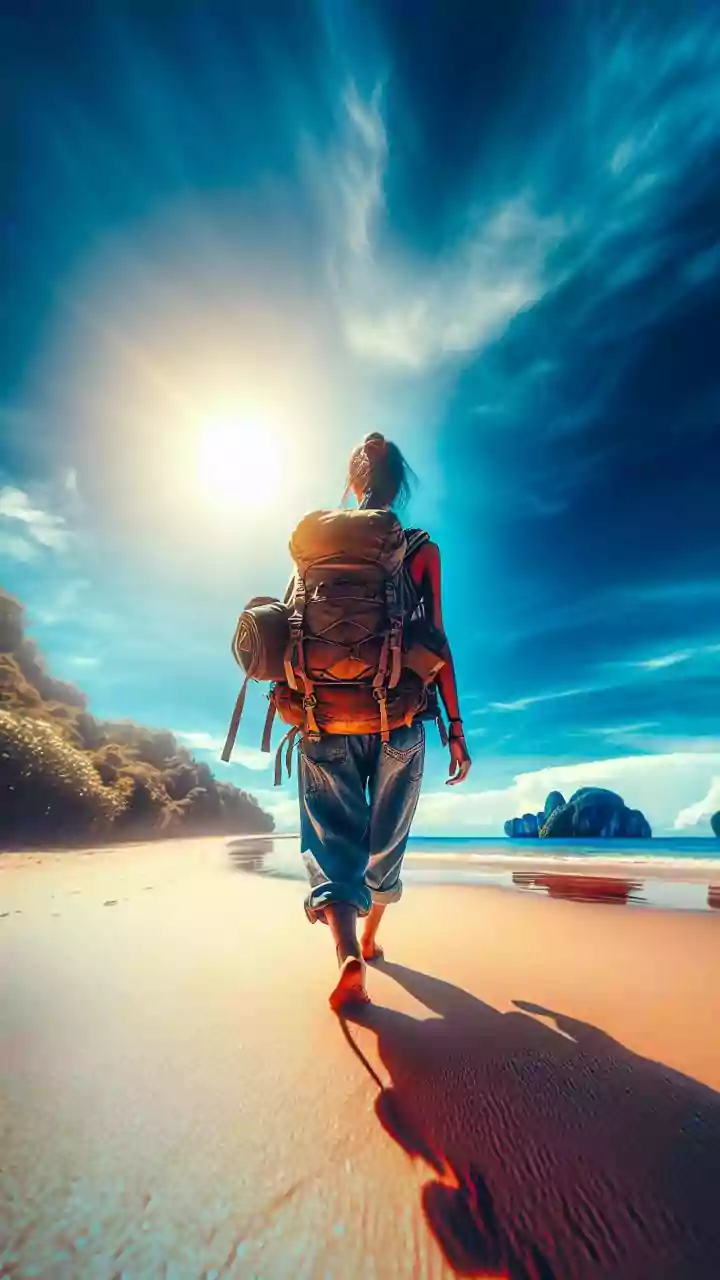
Interestingly, this move toward deeper travel doesn't necessarily mean longer holidays. In fact, many are opting for more frequent, shorter getaways rather than one big annual trip. Data shows that seven in ten Gen Z travellers prefer taking three short trips over one long holiday. This allows for travel to become a more regular habit rather than a once-a-year event. When they do take these trips, the focus is on a slower pace. The goal isn't to see everything, but to properly experience a few things. It's a preference for depth over distance, quality over quantity. Destinations that support this, like the Himalayan foothills or coastal villages, are seeing a surge in popularity.
The Role of Social Media
While social media is often blamed for promoting a superficial, picture-perfect version of travel, it also plays a complex role in this trend. Platforms like Instagram and YouTube are primary sources of travel inspiration for Indian youth. However, instead of just chasing viral photo-ops, many are using these platforms to discover offbeat destinations and unique experiences recommended by fellow travellers. There is a growing desire to find places that are not already all over the internet. User-generated content, like reviews and travel blogs, is highly trusted and empowers travellers to find the authentic experiences they crave, far from the traditional tourist trail.