



What is Monsoon Withdrawal?
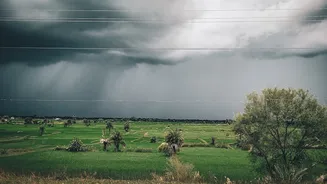
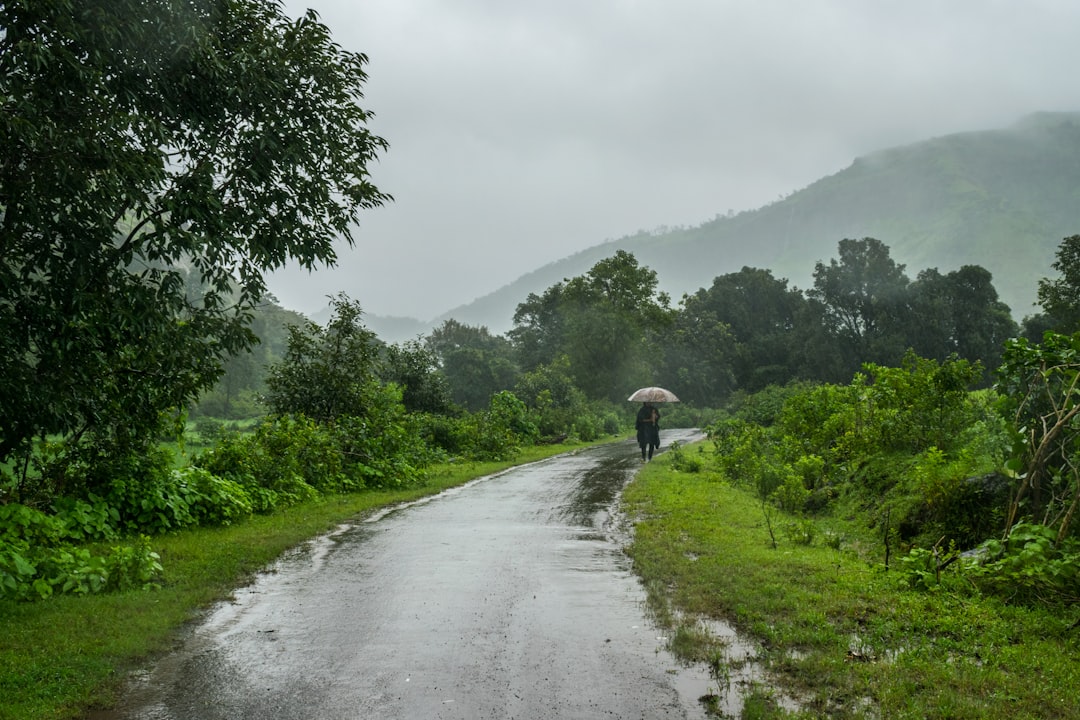
The monsoon withdrawal is not like flipping a switch. Instead, it's a slow, weeks-long process where the atmospheric conditions that bring rain begin to reverse. The intense low-pressure system over the subcontinent weakens as the landmass starts to cool,
and a high-pressure system begins to build over northern India. This change causes the moisture-laden southwesterly winds to retreat. The India Meteorological Department (IMD) officially declares the withdrawal from a region only after specific criteria are met: at least five consecutive days without rain, the establishment of an anti-cyclonic circulation in the lower atmosphere, and a significant drop in moisture levels.
A Staggered, Southeast Retreat
The withdrawal is a staggered affair that unfolds across the map over more than a month. It typically begins in the extreme northwest, from parts of west Rajasthan, around mid-September. For 2026, forecasters noted weakening monsoon activity and increasingly clear skies from early September, with conditions becoming favourable for a formal withdrawal to begin after September 15. From its starting point, the line of withdrawal moves progressively southeast. It usually clears central India by late September or early October and withdraws from the entire country, including the southern peninsula, by mid-October. This means that for several weeks, Delhi might be experiencing dry, post-monsoon weather while Kerala is still receiving heavy monsoon showers.
Impact on Agriculture
The timing of the monsoon's departure is critical for India's farmers. For the summer-sown (Kharif) crops like rice, cotton, and soybeans, a timely withdrawal is crucial for maturation and harvesting. A delay with excess rain can lead to waterlogged fields, damaging standing crops and affecting yields. Conversely, an early withdrawal can leave crops moisture-stressed during their final growth stages. The withdrawal also sets the stage for the next crop cycle. The residual moisture in the soil is vital for the germination of winter (Rabi) crops like wheat and chickpeas, which are planted starting in October.
Water Reserves and City Life
Beyond the farms, the monsoon's performance directly impacts the country's water security. A healthy monsoon season that ends on time leaves reservoirs replenished, ensuring a steady supply of water for drinking, industry, and hydropower generation through the long dry season. A weak or erratic monsoon, however, can strain these reserves, affecting everything from urban water supply to electricity production. The end of the rains also brings the phenomenon known as 'October heat'—a period of clear skies where, despite the retreating rains, temperatures can rise uncomfortably due to high humidity from the still-moist land.
The Next Chapter: Retreating Monsoon and Cyclones
As the southwest monsoon leaves, another weather pattern begins. The so-called 'retreating monsoon', or northeast monsoon, is driven by winds blowing from the northeast across the Bay of Bengal. These winds pick up moisture over the sea and bring significant rainfall to India's southeastern coast, particularly Tamil Nadu, from October to December. For this region, it is the primary rainy season. This post-monsoon period is also the peak season for tropical cyclones to form in the Bay of Bengal and the Arabian Sea, which can bring destructive winds and storm surges to coastal areas.