



An Accidental Experiment
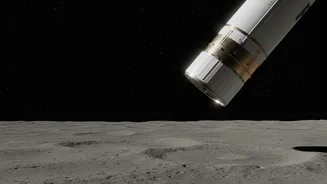
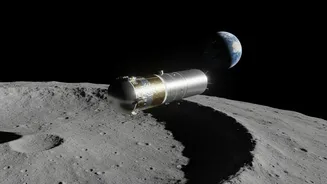
The story begins with a SpaceX Falcon 9 rocket launched in January 2025. Its mission was to deliver two private lunar landers into a high Earth orbit, a task it completed successfully. However, the rocket's upper stage, having used most of its fuel to push
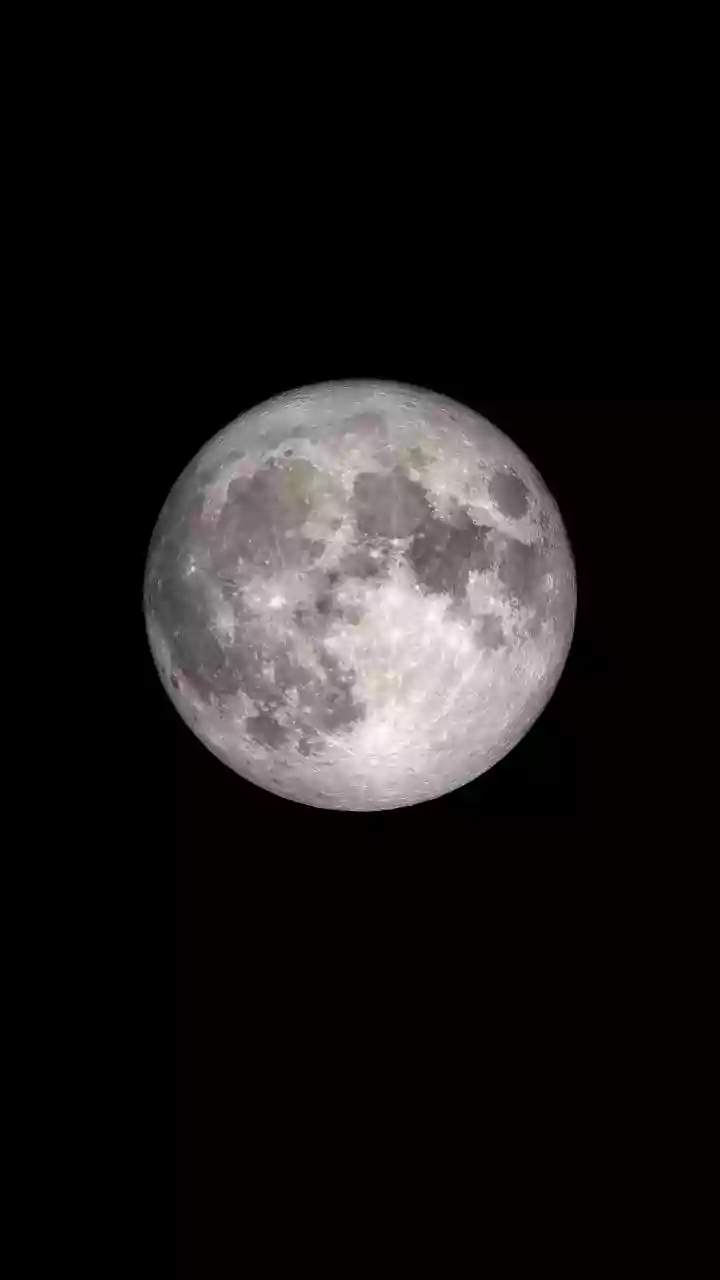
its payload towards the Moon, didn't have enough energy to return and burn up in Earth's atmosphere. It was left in a chaotic, high orbit where, for over a year, its path was slowly altered by the gravitational pulls of the Earth, the Moon, and the Sun. Astronomers tracking this piece of space debris soon realised the inevitable: it was on a collision course with the Moon. This wasn't a deliberately 'planned' crash like NASA's LCROSS mission in 2009, but rather an uncontrolled, yet predictable, impact—a happy accident for science.
Secrets in the Dust Cloud
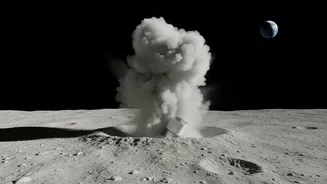
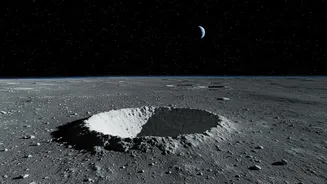
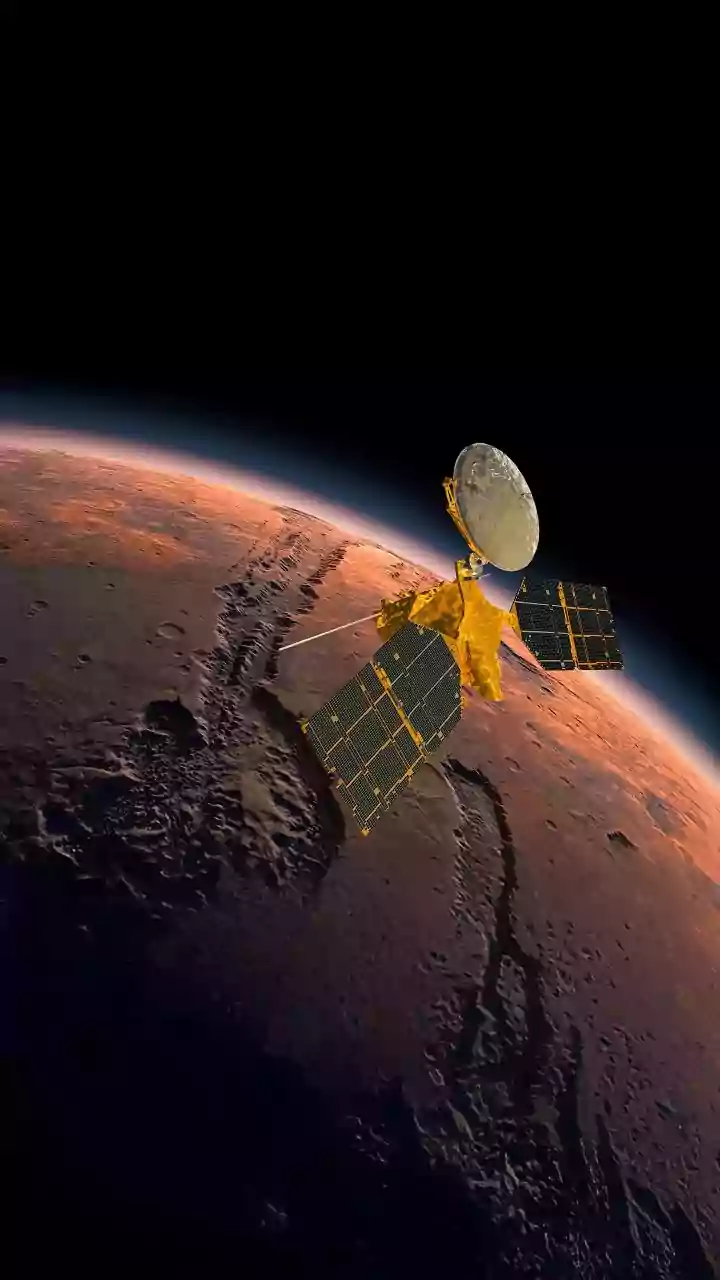
So, why the excitement? When the nearly 9,000-pound rocket stage hit the surface at over 8,700 kph, it didn't just dig a new crater; it kicked up a massive plume of lunar material. This cloud of dust, rock, and gas, potentially reaching tens of kilometres high, is a sample from beneath the Moon's surface, an area scientists rarely get to study. By analysing this ejecta, researchers hope to uncover the secrets of the Moon's geology. Observatories on Earth, as well as lunar orbiters like NASA’s Lunar Reconnaissance Orbiter (LRO) and potentially India's Chandrayaan-2, were poised to study the aftermath. The goal is to analyse the chemical fingerprint of the material thrown from the crater.
The Hunt for Lunar Water
The most sought-after prize in this cloud of debris is water ice. Confirming the presence and distribution of water on the Moon is a primary goal for space agencies worldwide. While previous missions have found evidence of water, especially in permanently shadowed craters at the poles, this impact occurred in a different, sunlit region. Finding water here would be a game-changer, suggesting it might be more widespread than previously thought. Such a discovery would have huge implications for future human exploration, as lunar water could be mined and used for drinking, breathing air, and creating rocket propellant for missions deeper into the solar system.
A Surprising Discovery
While data from the plume is still being analysed, initial observations have already yielded fascinating results. Telescopes detected a plume containing sodium and lithium gases that lasted for about five to ten minutes after impact. Scientists believe the sodium likely came from the lunar soil itself, while the lithium may have originated from the rocket body, giving clues about both the impactor and the impact site. A similar unintentional impact in 2022 from what was later identified as a Chinese rocket stage left an even bigger surprise: a double crater. This suggested the rocket body had large masses at each end, a characteristic that challenged assumptions about spacecraft design and has given scientists a new puzzle to solve about the physics of high-velocity impacts.
A Crowded Lunar Neighborhood
While scientists celebrate the research opportunity, the event also highlights a growing problem: space junk. This is only the second known time a piece of rocket debris has accidentally hit the Moon, but as lunar missions by national agencies and private companies ramp up, such incidents could become more common. The Moon now hosts an estimated 209 tons of human-made material. This unplanned crash has sparked discussions between NASA and SpaceX about preventing future lunar littering. It raises important questions about our responsibility to preserve the lunar environment, even as we use it as a launchpad for scientific discovery and future exploration.