

Start With Your Breath
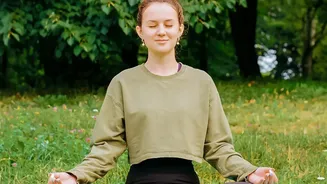
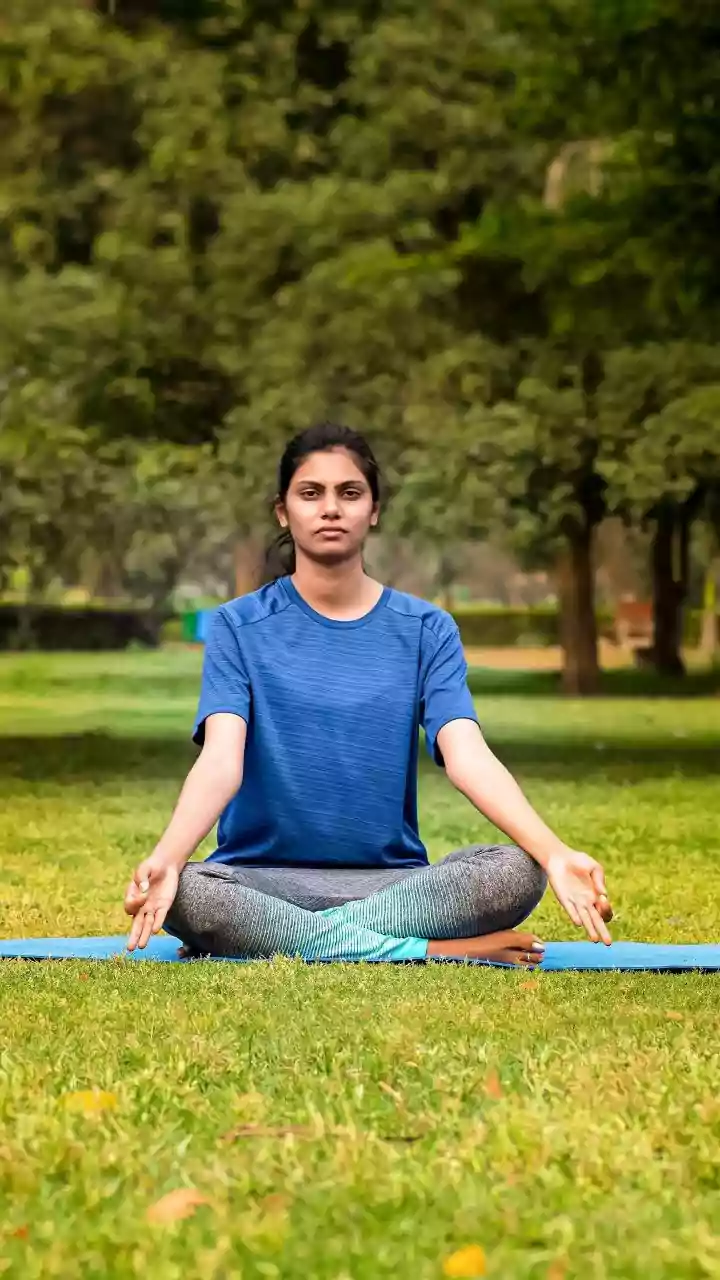
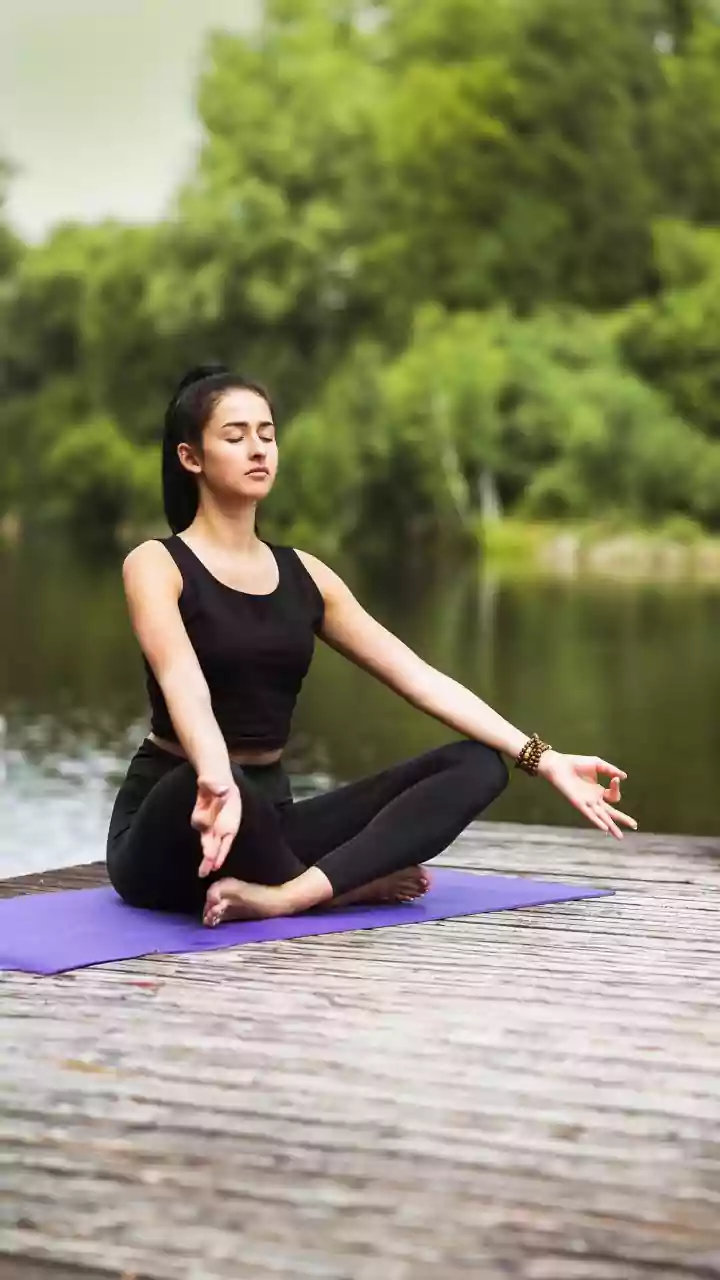
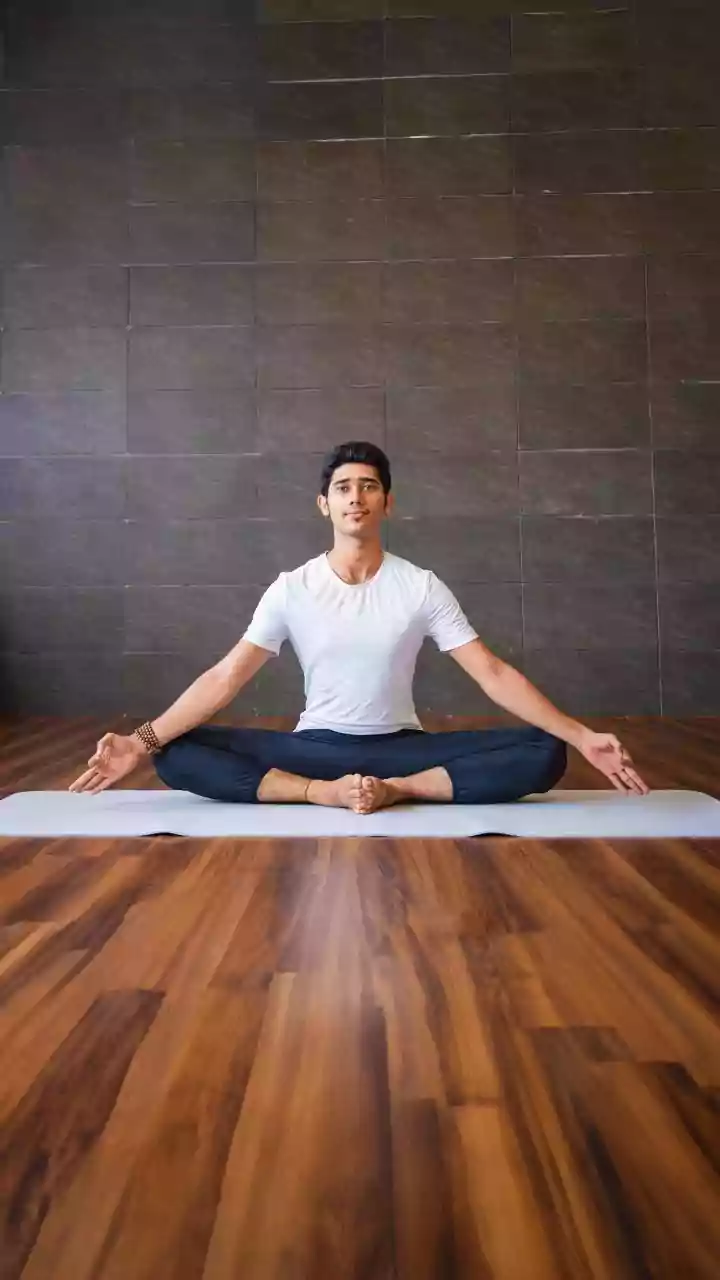
Before any movement, the first step in mindfulness is simply to breathe. This practice, known as Pranayama in yoga, is highly effective at reducing stress and improving concentration. Find a comfortable seat, close your eyes, and place a hand on your belly.
Inhale slowly through your nose, feeling your stomach expand like a balloon. Exhale slowly, feeling it fall. Focusing on the breath anchors you in the present moment, helping to quiet a racing mind and calm the nervous system. Even just five deep breaths can make a significant difference.
Cat-Cow Stretch (Marjaryasana-Bitilasana)
Sitting for long hours can lead to a stiff back and neck. The Cat-Cow stretch is a gentle way to awaken your spine and release tension. Start on your hands and knees, with your wrists under your shoulders and knees under your hips. As you inhale, drop your belly, lift your gaze, and look up toward the ceiling (Cow). As you exhale, round your spine, tuck your chin to your chest, and press the mat away (Cat). Syncing this movement with your breath calms the mind and eases the physical strain of studying.
Child's Pose (Balasana)
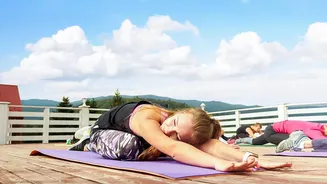
When you feel completely overwhelmed, Child's Pose is a go-to for instant calm. It’s a restorative posture that quiets the mind and relieves anxiety. Kneel on the floor, sit back on your heels, and fold forward, resting your forehead on the mat. Your arms can be stretched out in front of you or rest alongside your body. This position encourages deep breathing and releases tension in the back, shoulders, and neck, providing a sense of safety and surrender when stress levels are high.
Tree Pose (Vrikshasana)
A scattered mind struggles to retain information. Tree Pose is excellent for improving balance and, more importantly, concentration. Stand tall and shift your weight onto one foot. Place the sole of your other foot on your inner ankle, shin, or thigh (avoiding the knee joint). Find a point in front of you to focus on. Holding a balancing pose demands your full attention, helping to quiet mental chatter and improve your ability to focus during long study sessions.
Legs-Up-the-Wall Pose (Viparita Karani)
This is a wonderfully passive and relaxing pose that helps soothe tired legs and a fatigued mind. Simply sit on the floor with one side of your body against a wall, then swing your legs up to rest them against the wall as you lie on your back. It helps calm the nervous system, reduce anxiety, and improve circulation after hours of being seated. Staying here for just a few minutes can feel deeply restorative and help you reset before another round of revision.
Corpse Pose (Savasana)
Often called the most important pose in yoga, Savasana is about complete relaxation. At the end of your practice, or whenever you need a total reset, lie flat on your back with your arms resting by your sides, palms facing up. Close your eyes and let go of controlling your breath. The goal is to release all tension from your body and mind. This practice helps integrate the benefits of the other poses, leaving you feeling refreshed, calm, and mentally clearer.