






The Old Guard of Comfort Food
For decades, names like Domino's and Pizza Hut were synonymous with ordering in. They built their empires on a simple, powerful promise: a consistent, reliable meal delivered to your door. [19] With its famous "30 minutes or free" pledge, Domino's in particular
became a master of logistics, creating its own supply chains and delivery fleets to ensure quality control from kitchen to doorstep. [22, 19] These international Quick Service Restaurant (QSR) chains invested heavily in building physical outlets, adapting their menus with offerings like Peppy Paneer to suit the Indian palate, and establishing brand trust over years. [22, 19] Their model was based on a combination of dine-in experience and a self-managed delivery network, which gave them full control over service and customer data. [22] They were the undisputed kings of the organised food service market, the default choice for a weekend treat or a family celebration.
Enter the Digital-First Challengers
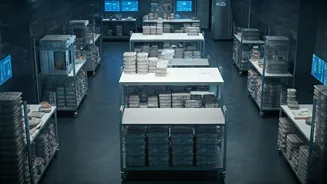
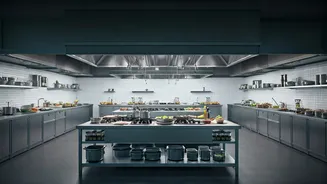
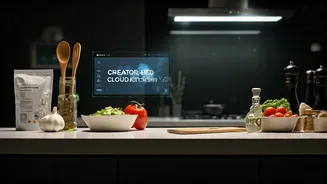
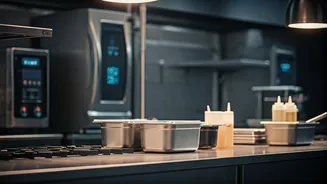
Then came the smartphone revolution and with it, the rise of food delivery aggregators like Swiggy and Zomato. [8] This new ecosystem gave birth to a different kind of competitor: the cloud kitchen. [24] These are delivery-only restaurants with no physical storefront, a concept pioneered and perfected in India by companies like Rebel Foods. [4, 7] Starting with a single brand, Faasos, Rebel Foods realised most of its customers were ordering online and had never visited an outlet. [5] This insight led to a pivot to a cloud kitchen model, allowing them to launch multiple brands—like Behrouz Biryani and Oven Story Pizza—from a single, low-cost kitchen. [4, 7] This asset-light model enables them to scale rapidly, test new concepts with minimal risk, and cater to diverse tastes from one location. [7, 24] Today, Rebel Foods is the world's largest cloud kitchen company, operating hundreds of kitchens and thousands of "internet restaurants". [4]
The Competitive Edge: Agility and Data
The home-grown challengers' primary advantage is their structure. Without the massive overheads of prime real estate and dine-in staff, cloud kitchens can operate with significantly lower costs. [7, 21, 25] This allows them to be more competitive on price. [2] Furthermore, being digital-native gives them a powerful command of data. They use AI for demand forecasting and menu optimization, tailoring their offerings to specific neighbourhoods and trends. [3] Their entire business model is built around the logistics of delivery, partnering with aggregators to reach a massive customer base without investing in their own fleet. [2, 14] While legacy chains built brands over decades through TV ads and physical presence, these new players build them digitally, using promotions and visibility boosts on apps to capture attention. [17]
A Tough New Menu for Legacy Chains
For the established giants, this new landscape presents significant challenges. Their reliance on physical restaurants, once a strength, has become a financial burden in the delivery-first era due to high rents and operational costs. [16, 21] Partnering with aggregators like Zomato and Swiggy is a double-edged sword. While it provides access to a vast online market, it comes at the cost of steep commission fees—often 20-30% of the order value—which eats directly into their profit margins. [2] This forces many to inflate their online menu prices, creating a discrepancy between dine-in and delivery costs. [2] Moreover, they lose the direct relationship with and data of their customers, which is now controlled by the aggregator platforms. [16] The sheer volume of new, low-cost options on these apps creates intense price pressure and competition for visibility. [2, 14]
Adapting to a New Reality
Legacy chains are not standing still. Many are now adopting a hybrid strategy, leveraging their existing restaurants as hubs for both dine-in and delivery. [21] Some are even launching their own cloud kitchens to test new markets and expand their delivery footprint without the cost of a full-scale restaurant. [16, 26] The focus has shifted to operational efficiency, with brands redesigning smaller kitchens, automating processes, and streamlining menus specifically for delivery to ensure food quality is maintained during transit. [16, 26] The fight is no longer just about taste; it's about mastering a complex operational game that balances brand experience, delivery speed, and unit economics in a fiercely competitive digital marketplace. [26]