




The Invisible Threat in Your Home
Every winter, Delhi grapples with a severe dip in air quality. A combination of stubble burning, vehicular emissions, and weather patterns traps pollutants, creating a thick smog. This polluted air is dense with particulate matter—tiny, invisible particles
known as PM2.5 and PM10. These particles are small enough to bypass the body's natural defences, penetrating deep into the lungs and even entering the bloodstream. Prolonged exposure can lead to persistent coughing, aggravate conditions like asthma, and increase the long-term risk of serious heart and lung diseases. While we often focus on outdoor air, these pollutants easily find their way indoors, making our homes less of a safe haven than we might think.
Nature's Air Filters: How Plants Work
This is where houseplants enter the picture. For decades, studies have explored the ability of indoor plants to act as natural air purifiers. The process works in a few ways. First, the leaves of plants can trap and absorb airborne pollutants, including particulate matter. The broad, waxy, or textured surfaces of some leaves are particularly effective at capturing these fine particles from the air. Second, it's not just the plant itself doing the work. The soil and the microorganisms living within it play a crucial role, breaking down harmful volatile organic compounds (VOCs) like formaldehyde and benzene, which are common in paints, furnishings, and cleaning products. Some plants also release oxygen at night, which can contribute to a fresher indoor environment while you sleep.
A Reality Check: Managing Expectations
The idea that a few potted plants can scrub a room clean is largely thanks to a famous 1989 NASA Clean Air Study. This research showed that certain plants were incredibly effective at removing VOCs from the air. However, there's a significant catch: these experiments were conducted in small, sealed chambers, not in a typical home or office with drafts, open windows, and constant air exchange. More recent analysis has shown that to truly replicate NASA's results in an average-sized room, you would need an impractically large number of plants—some estimates suggest anywhere from 10 to 1,000 plants per square meter. Therefore, while plants do help, they are not a substitute for high-efficiency air purifiers or good ventilation practices. Think of them as a helpful supplement, not a magic bullet.
Top Plants for a Healthier Delhi Home
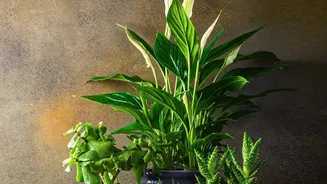
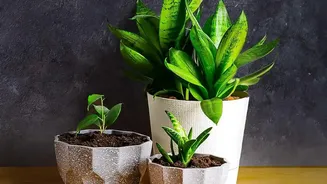
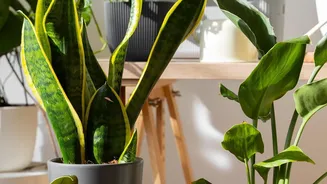
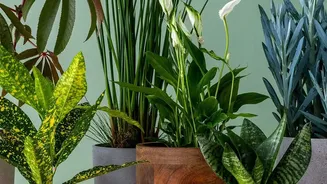
Despite the limitations, adding greenery is a positive step. Certain plants are known to be hardy, low-maintenance, and particularly adept at their quiet cleaning duties. Many are already staples in Indian homes. Consider adding these to your indoor spaces: 1. Snake Plant (Sansevieria trifasciata): Almost indestructible, this plant is a star purifier, known for filtering toxins like formaldehyde and for releasing oxygen at night. 2. Areca Palm (Dypsis lutescens): With its lush fronds, this popular plant is great at trapping particulate matter and also acts as a natural humidifier, which is a bonus during dry winter months. 3. Money Plant (Epipremnum aureum): A Vastu favourite, the Money Plant is a hardy vine that is effective at removing VOCs like formaldehyde and carbon monoxide from the air. 4. Spider Plant (Chlorophytum comosum): This plant is easy to grow and is a proven performer in reducing indoor pollutants. Studies have shown it to be effective in decreasing PM concentrations. 5. Peace Lily (Spathiphyllum): Recognised for its elegant white blooms, the Peace Lily helps filter out pollutants like ammonia and benzene.
Beyond Plants: An Integrated Strategy
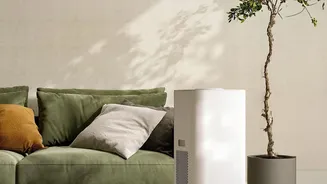
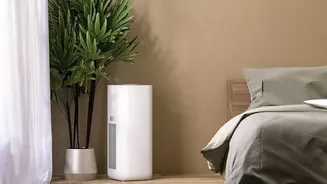
Creating a truly clean indoor environment requires a multi-pronged approach, especially during Delhi's most polluted months. While your houseplants are doing their part, they work best as part of a larger strategy. The most effective way to significantly reduce indoor particulate matter is by using a high-quality air purifier with a HEPA filter. Additionally, simple habits can make a big difference. Keep windows and doors closed during peak pollution hours, especially in the early morning and late evening. Use a wet mop to clean floors, as this captures dust particles instead of sending them back into the air. When you do ventilate your home, try to choose a time of day when the outdoor AQI is relatively lower. Combining these mechanical and behavioural strategies with the natural assistance of houseplants gives you the best defence against indoor air pollution.